U.S. Attorney David C. Joseph Launches Federal Task Force to Investigate and Prosecute COVID-19 Fraud and Hoarding of Critical Medical Supplies


In response to the evidence that fraud schemes are being developed around the country to exploit the coronavirus epidemic, U.S. Attorney David C. Joseph announced today that he has formed a task force in the Western District of Louisiana to identify, investigate, prosecute, and dismantle fraud schemes designed to unlawfully profit from the COVID-19 pandemic. 

The Western District of Louisiana’s COVID-19 Fraud Task Force (Task Force) brings together multiple federal investigative agencies under the leadership of the U.S. Attorney’s Office to share and receive intelligence related to the scams being perpetrated on-line and in-person by individuals seeking to exploit the evolving public health crisis.

The Task Force will then marshal the collective investigative power of our federal law enforcement agencies by forming joint investigative teams to work with prosecutors from the U.S. Attorney’s Office. 

The Task Force will be led by the U.S. Attorney’s Office COVID-19 Fraud Coordinator, Assistant U.S. Attorney Seth D. Reeg. The Task Force members include representatives from the United States Attorney’s Office, FBI, U.S. Department of Homeland Security – Office of Inspector General,  U.S. Food and Drug Administration – Criminal Investigations, U.S. Department of Homeland Security Investigations/ Immigration and Customs Enforcement, U.S. Department of Veteran’s Administration – Office of Inspector General, United States Secret Service, U.S. Postal Inspection Service, U.S. Department of Health and Human Services – Office of Inspector General, U.S. Customs and Border Protection, Federal Trade Commission, and the Small Business Administration – Office of Inspector General.

“The public should know that my office remains fully operational during the COVID-19 pandemic and will be focusing on those who seek to unlawfully exploit others during this difficult time,” said U.S. Attorney Joseph. “The last thing our community needs as we come together to fight this pandemic are certain individuals among us preying upon the fears of others for financial gain.  Through the formation of this Task Force, federal prosecutors from my office will collaborate on a daily basis with investigators to identify, investigate, and aggressively prosecute those attempting to profit from this emergency.  I want to thank all of the agencies and federal agents that are joining us in this effort – each of which brings considerable expertise to the fight.”

The Task Force will review and investigate all credible leads of fraud associated with the coronavirus pandemic, focusing on those hoarding or price-gouging critical medical supplies and schemes designed to exploit vulnerable populations, including the elderly and those who may be more susceptible to the disease due to pre-existing health conditions. The Task Force will also prioritize schemes that have the potential to endanger public health and safety. AUSA Reeg will meet and confer with agency counterparts on a regular basis to prioritize cases and surge resources where needed.

Some examples of COVID-19 scams include:

  • Unlawful Hoarding and Price-Gouging: The Department of Health and Human Services (HHS) has designated certain health and medical resources necessary to respond to the COVID-19 pandemic as “scarce,” including respirator masks, ventilators, and other medical protective equipment. These designated materials are subject to the hoarding prevention measures that trigger both criminal and civil remedies. Yesterday, U.S. Attorney Joseph sent a letter to area hospitals and medical providers requesting information regarding any known hoarding or price-gouging of critical medical supplies.
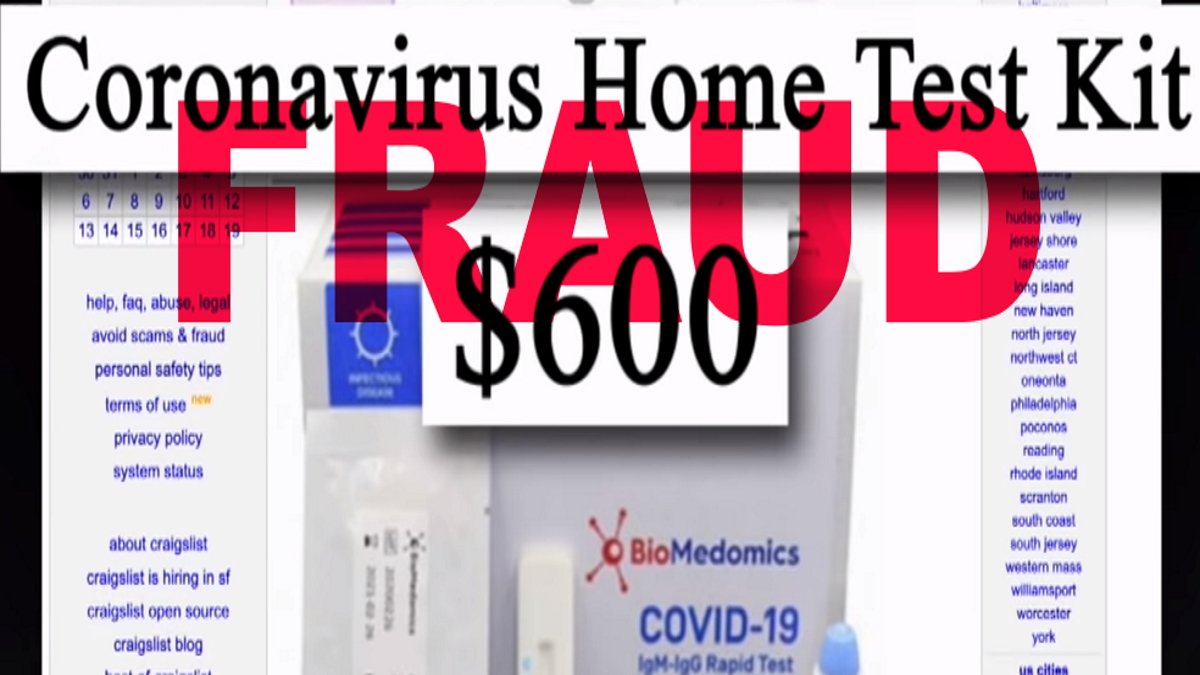
  • Testing Scams: Scammers are selling fake at-home test kits or going door-to-door performing fake tests for money.
  • Treatment Scams: Scammers are offering to sell fake cures, vaccines, and advice on unproven treatments for COVID-19.
  • Supply Scams: Scammers are creating fake shops, websites, social media accounts, and email addresses claiming to sell medical supplies currently in high demand, such as surgical masks. When consumers attempt to purchase supplies through these channels, fraudsters pocket the money and never provide the promised supplies.
  • Provider Scams: Scammers are also contacting people by phone and email, pretending to be doctors and hospitals that have treated a friend or relative for COVID-19, and demanding payment for that treatment.
  • Charity Scams: Scammers are soliciting donations for individuals, groups, and areas affected by COVID-19.
  • Phishing Scams and Cyber Intrusions: Scammers posing as national and global health authorities, including the World Health Organization (WHO) and the Centers for Disease Control and Prevention (CDC), are sending phishing emails designed to trick recipients into clicking on a link or opening an attachment that downloads malware, or providing personal identifying financial information. One form of malware being spread contains an interactive online map of coronavirus-infected areas purportedly produced by Johns Hopkins University. Once someone downloads this interactive map, the malware steals the user’s credentials, such as usernames, credit card numbers, passwords, and other sensitive information usually stored in internet browsers.
  • App Scams: Scammers are also creating and manipulating mobile apps designed to track the spread of COVID-19 to insert malware that will compromise users’ devices and personal information.
  • Investment Scams: Scammers are offering online promotions on various platforms, including social media, claiming that the products or services of publicly traded companies can prevent, detect, or cure COVID-19, and that the stock of these companies will dramatically increase in value as a result. These promotions are often styled as “research reports,” make predictions of a specific “target price,” and relate to microcap stocks, or low-priced stocks issued by the smallest of companies with limited publicly available information.
  • $1,000 Check Scams: Scammers are contacting people over email and are telling them that their $1,000 check, as part of the stimulus package responding to COVID-19, is already waiting for them and that all they need to do is to provide personal information, such as bank account numbers and Social Security Numbers, which are the key pieces of information needed to perpetrate identity theft.
  • Other scams include fraudsters claiming to work for the government or banks/credit cards and offering assistance for student loan relief, foreclosure or eviction relief, unemployment assistance, debt relief, and direct financial assistance, like government checks.

U.S. Attorney Joseph urges everyone, especially those most at risk of serious illness, to avoid these and similar scams by taking the following steps:

  • Independently verify the identity of any company, charity, or individual that contacts you regarding COVID-19.
  • Check the websites and email addresses offering information, products, or services related to COVID-19. Be aware that scammers often employ addresses that differ only slightly from those belonging to the entities they are impersonating. For example, they might use “cdc.com” or “cdc.org” instead of “cdc.gov.”
  • Be wary of unsolicited emails offering information, supplies, or treatment for COVID-19 or requesting your personal information for medical purposes. Legitimate health authorities will not contact the general public this way.
  • Do not click on links or open email attachments from unknown or unverified sources. Doing so could download a virus onto your computer or device.
  • Make sure the anti-malware and anti-virus software on your computer is operating and up to date.
  • Ignore offers for a COVID-19 vaccine, cure, or treatment. Remember, if there is a medical breakthrough, you won’t hear about it for the first time through an email, online ad, or unsolicited sales pitch.
  • Check online reviews of any company offering COVID-19 products or supplies. Avoid companies whose customers have complained about not receiving items.
  • Research any charities or crowdfunding sites soliciting donations in connection with COVID- 19 before giving. Remember, an organization may not be legitimate even if it uses words like “CDC” or “government” in its name or has reputable looking seals or logos on its materials. For online resources on donating wisely, visit the Federal Trade Commission (FTC) website.
  • Be wary of any business, charity, or individual requesting payments or donations in cash, by wire transfer, gift card, or through the mail. Don’t send money through any of these channels.
  • Be cautious of “investment opportunities” tied to COVID-19, especially those based on claims that a small company’s products or services can help stop the virus. If you decide to invest, carefully research the investment beforehand. For information on how to avoid investment fraud, visit the U.S. Securities and Exchange Commission (SEC) website.
  • For the most up-to-date information on COVID-19, visit the Centers for Disease Control and Prevention (CDC) and World Health Organization (WHO) websites.

Leaders from the federal law enforcement agencies participating in the Task Force provided the following comments in support of the mission:

“Even through a worldwide pandemic, the FBI remains steadfast in our mission to protect the American people and uphold the Constitution,” said Special Agent in Charge Bryan A. Vorndran of the FBI New Orleans Field Office. “Special Agents and Analysts of the WDLA COVID-19 Task Force are committed to investigating all forms of COVID-19 fraud committed on Louisiana residents. Any company or individual who attempts to defraud our residents and steal their money during this national crisis will be investigated and brought to justice.”

Soffe Men’s 3 Pack-USA Poly Cotton Military Tee

According to Joseph Cuffari, PhD., Inspector General, Department of Homeland Security, “The theft of FEMA funds resulting from COVID-19 schemes or false claims result in losses not only to the U.S. Taxpayer, but also to the actual victims who needed those funds to recover. Working with the U.S. Attorney’s Office, the Department of Homeland Security’s Office of Inspector General will continue our commitment to identify and aggressively investigate allegations of fraud. Theft of funds from DHS programs intended to help those in need will not be tolerated.”

“The FDA is fully committed to working with our federal partners to protect Americans from fraudulent and potentially dangerous medical products being marketed and distributed to Americans for the treatment or diagnosis of COVID-19. We will continue to take appropriate action to protect consumers from bad actors who take advantage of a crisis and place profits ahead of the public health,” said Judith A. McMeekin, Pharm.D., Associate Commissioner for Regulatory Affairs, U.S. Food and Drug Administration.

“Our HSI agents are deeply committed to the safety of the American public, whether it’s investigating and dismantling human trafficking operations or ensuring our medical communities are receiving legitimate medical equipment and supplies to combat the spread of Covid-19,” said New Orleans Special Agent in Charge Jere T. Miles. “Those who would use this pandemic to defraud their neighbors, friends, and communities for their own financial gain – we will be looking for you and we will find you.”

“The VA Office of Inspector General is dedicated to preserving the integrity of the public funds and medical resources intended to treat all veterans, including those impacted by COVID-19, and is pleased to join the U.S. Attorney’s Office and other federal law enforcement agencies in establishing this partnership.” – James Ross, Special Agent in Charge, VA Office of Inspector General, South Central Field Office.

If you believe you have been a target or victim of a scam or fraud or have knowledge of any hoarding or price-gouging of critical medical supplies, you can report it without leaving your home, to the National Center for Disaster Fraud Hotline at 1-866-720-5721 or via email at www.disaster@leo.gov.

The Western District of Louisiana Coronavirus Fraud Coordinator, AUSA Seth Reeg, can be reached at: (318) 676-3600.

Justice.gov (March 2020) U.S. Attorney David C. Joseph Launches Federal Task Force to Investigate and Prosecute COVID-19 Fraud and Hoarding of Critical Medical Supplies
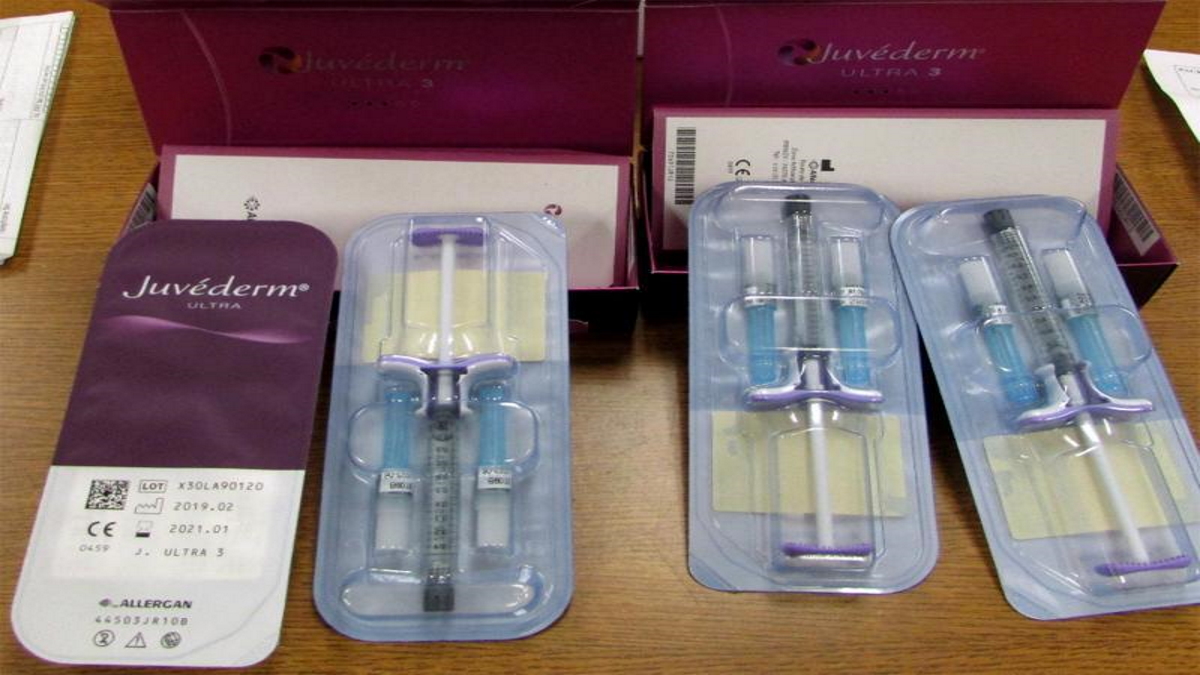
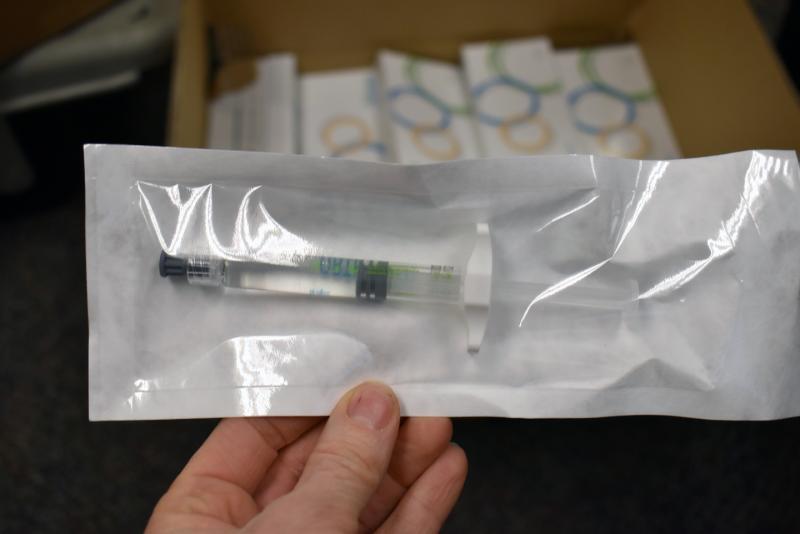
Since January, the Philadelphia CBP has seized more than 100 Shipments of Illicit Dermal Fillers


Even during times of great concern, people feel the need to look their very cosmetic best and to do so at the best price possible. What they don’t realize is that the cheaper dermal filler they purchase online could potentially make them ill, or never reach their doorstep because they violate U.S. import laws.

Since the beginning of the year, Customs and Border Protection officers in Philadelphia have seized more than 100 shipments of dermal filler bearing the brand names of Juvederm, Teoxane, Teosyal, Sculptera, Orthovisc, Revanesse, Restylane, Dyasport, and of course the more popularly known Botox.

CBP seized the dermal filler shipments for violating the Federal Food, Drug and Cosmetic Act, specifically 21 USC 331, and for violating import licensing and permit requirements (19USC1595a). The shipments, which arrived aboard air cargo flights from Germany and Poland, were destined to addresses in states across the United States, but Florida was the most popular. The domestic value of each shipment ranged from less than $300 to $450, cheaper than what consumer would pay in the United States.

“American consumers should exercise caveat emptor, or buyer beware, that just because you purchase an item more cheaply online overseas does not necessarily mean it is lawful for importation to the United States or safe for consumer use,” said Joseph Martella, Area Port Director for the Area Port of Philadelphia. “Customs and Border Protection officers will continue to work with the trade industry and our consumer safety partners to intercept illicit and potentially dangerous products at our nation’s ports of entry.”

Consumers should also be aware that products purchased online may be counterfeit products that may have been manufactured in unregulated facilities with substandard or harmful ingredients. CBP urges consumer to buy from reputable vendors.

The Food and Drug Administration offers safety tips for dermal fillers, including never purchasing dermal filler on the Internet because they may be counterfeit, contaminated or harmful.

CBP’s border security mission is led at ports of entry by CBP officers from the Office of Field Operations. CBP officers screen international travelers and cargo and search for illicit narcotics, unreported currency, weapons, counterfeit consumer goods, prohibited agriculture, and other illicit products that could potentially harm the American public, U.S. businesses, and our nation’s safety and economic vitality. Please visit CBP Ports of Entry to learn more about how CBP’s Office of Field Operations secures our nation’s borders. Learn more about CBP at www.CBP.gov.

CBP.gov (March 2020) Philadelphia CBP Seizes more than 100 Shipments of Illicit Dermal Fillers since January

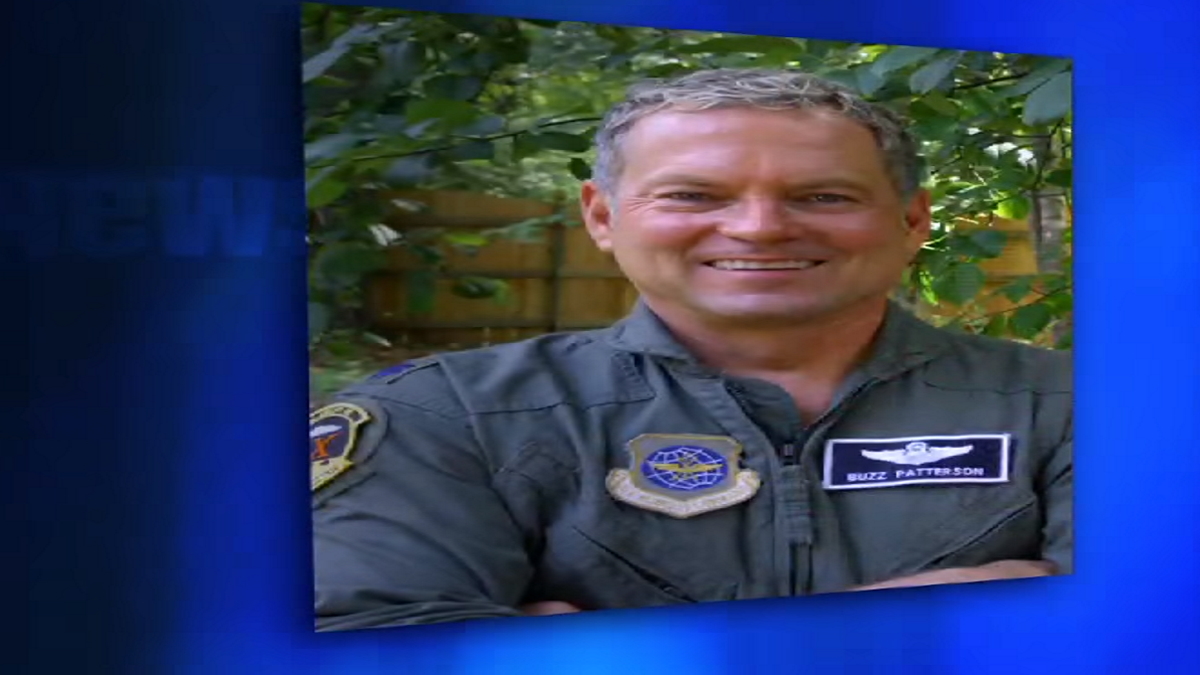
Lt. Col. Buzz Patterson Primary election success with endorsement by Combat Veterans for Congress


Support for Decorated Air Force Veteran Growing Rapidly in Highly Contested Race

On Monday, the Combat Veterans for Congress PAC endorsed Lt. Col. (Ret.) Robert “Buzz” Patterson for the 7th Congressional District election in November 2020 and was announced today by Mimi Soros, campaign manager for Buzz Patterson for Congress.

Patterson, a decorated veteran, former White House aide, community leader, and commercial airline pilot, is the Republican candidate in a highly competitive district representing southern and eastern Sacramento County, California.

Patterson’s more than 32,000 votes in the March primary election nearly equaled those cast for the incumbent and easily qualified him for the 2020 general election in November.

Although historically Democratic, the district has been rated “even” by the Cook Partisan Voting Index.

Patterson’s campaign is focusing on reducing his District’s high unemployment, addressing problems caused by illegal immigration, improving economic growth and lack of affordable health care in the District, issues which, after two terms in Washington, D.C., are plaguing his opponent’s campaign and track record showing a lack of focus on the District’s most important local issues.

In the endorsement, Combat Veterans for Congress PAC praised Patterson’s dedication to local leadership and service to the nation, stating “in Buzz Patterson we have a combat veteran who General George Washington would have approved of. Buzz is a veteran who wrote a blank check payable to the United States of America for an amount “up to and including his life.”

Patterson is a fiscally conservative candidate who will work to reduce the national debt, strengthen US Armed Forces, protect freedom of religion and speech and defend traditional family values.

 “I am dedicated to helping my constituents solve important local problems being ignored by those in Washington, so am truly grateful for the endorsement of Combat Veterans for Congress PAC,” Patterson stated. “Their support will help us greatly in the District and throughout our state in November.”

Combat Veterans for Congress PAC joins an impressive roster of endorsements for Patterson that includes the California GOP, Sean Hannity, Brandon Straka (WalkAway), LAGOP, Sacramento County Republican Assembly, and former Chairman of the California GOP and conservative political leader and commentator, Tom DelBeccaro.

Patterson also received endorsements from the Howard Jarvis Taxpayers Association, National Right to Life, the California Republican Assembly, the Cosumnes Republican Assembly, California State Senator Jim Nielsen, former California State Senator Ted Gaines, and popular conservative radio talk show hosts, Mark Larson and Phil Cowan.

Patterson served 20 years as a United States Air Force pilot, was a former Senior Military Aide to President Bill Clinton, and recipient of numerous military commendations, including the Defense Superior Service and Air Force Air Medals.

His tours of duty included world-wide and combat operations in Grenada, Somalia, Rwanda, Haiti, and Bosnia.

While serving at the White House, Patterson was responsible for the “Nuclear Football,” the satchel containing the nation’s nuclear capability that always accompanies the President and was commander of all White House military personnel and operations.

He is a member of the Air Force Association, the Airlift Tanker Association, the NRA, American Legion, and the VFW.

A Republican and a native of North Carolina, Patterson and his family moved to California following his retirement from military service in 2001 to pursue a career as a commercial airline pilot, writer, speaker, and community leader.

More information can be found at www.Buzz4Congress.com.

MEDIA CONTACT: Mimi Soros 916-470-8737/msoros@buzz4congress.com
Peter Bylsma 310-795-8532/pbylsma@buzz4congress.com

Buzz4Congress.com (March 2020) Support for Decorated Air Force Veteran Growing Rapidly in Highly Contested Race

District Court Orders Injunctions against Two Telecom Carriers Who Facilitated Hundreds of Millions of Fraudulent Robocalls to Consumers in the United States

Fraudulent Robocalls to Consumers in the United States


First of Their Kind Injunctions Obtained by Justice Department

The U.S. District Court for the Eastern District of New York has entered orders in two separate civil actions, barring eight individuals and entities from continuing to facilitate the transmission of massive volumes of fraudulent robocalls to consumers in the United States, the Department of Justice announced on Friday. 

In one of the matters, United States v. Nicholas Palumbo, et al., the District Court entered a preliminary injunction that bars two individuals and two entities from operating as intermediate voice-over-internet-protocol (VoIP) carriers during the pendency of the civil action.  In the other matter, United States v. John Kahen, et al., the District Court entered consent decrees that permanently bar an individual and three entities from operating as intermediate VoIP carriers conveying any telephone calls into the U.S. telephone system.

“These massive robocall fraud schemes target telephones of residents across our country, many of whom are elderly or are otherwise potentially vulnerable to such schemes,” said Assistant Attorney General Jody Hunt of the Department of Justice’s Civil Division.  “The department is committed to stopping this unlawful conduct and pursuing those who knowingly facilitate these schemes for their own financial gain.”

“This office will take all appropriate measures to stop fraudulent robocalling schemes responsible for causing catastrophic losses to victims, including seeking to permanently shut down the U.S.-based enablers of such schemes,” said United States Attorney Richad P. Donoghue for the Eastern District of New York.  “Protecting elderly and vulnerable individuals from being conned by foreign call center scammers remains a priority of this office and the Department of Justice.”

As alleged in the complaints, the defendants in both cases operated as VoIP carriers, receiving internet-based calls from other entities, often located abroad, and transmitting those calls first to other carriers within the United States and, ultimately, to the phones of individuals. 

Numerous foreign-based call centers are alleged to have used the defendants’ VoIP carrier services to pass fraudulent government- and business-imposter robocalls to victims in the United States.  The defendants also sold U.S. phone numbers to foreign entities, which were used as victim call-back numbers as part of massive robocalling fraud schemes.

As also alleged, the defendants were warned numerous times that they were carrying fraudulent robocalls — including calls impersonating government agencies, such as the Social Security Administration, the IRS, and legitimate businesses, such as Microsoft — and yet continued to carry those calls and facilitate fraud schemes targeting individuals in the United States. 

Many of the robocalls were made by foreign fraudsters impersonating government investigators and conveying alarming messages, such as: the recipient’s social security number or other personal information has been compromised or otherwise connected to criminal activity; the recipient faces imminent arrest; the recipient’s assets are being frozen; the recipient’s bank and credit accounts have suspect activity; the recipient’s benefits are being stopped; the recipient faces imminent deportation; or combinations of these threats. 

Each of these claims was a lie, designed to scare the call recipient into paying large sums of money.  These calls led to massive financial losses to elderly and other vulnerable victims throughout the United States.

“The court’s decision sends a clear message to gateway carriers who knowingly do business with scammers targeting Americans from overseas,” said Gail S. Ennis, Inspector General for the Social Security Administration.  “We will continue to pursue those who facilitate these scam calls by allowing them into the U.S. telephone network.  I want to thank the Department of Justice for its support throughout this investigation and its commitment to protecting Americans from this insidious form of fraud and theft.”

United States v. Nicholas Palumbo, et al.

In the first case, the District Court issued a preliminary injunction against spouses Nicholas and Natasha Palumbo of Scottsdale, Arizona, and the Arizona companies they own and operate, Ecommerce National LLC d/b/a TollFreeDeals.com and SIP Retail d/b/a sipretail.com.  The District Court held, in a written opinion, that the evidence presented by the United States demonstrated probable cause to conclude that the defendants were engaged in “widespread patterns of telecommunications fraud, intended to deprive call recipients in the Eastern District of New York and elsewhere of money and property.”

The preliminary injunction issued by the court bars those defendants from carrying any VoIP calls destined for phones in the United States and providing any U.S. telephone numbers (often used as call-back numbers in the fraudulent robocalling schemes) to any individuals or entities during the pendency of this litigation. 

The court noted that though defendants had been warned more than 100 times of specific instances of fraudulent calls being transmitted through their network, they never severed their business relationship with any entity they learned was associated with fraudulent call traffic, prior to the United States’ filing of its lawsuit. 

The court further noted that “the telecommunications ‘intermediary’ industry is set up perfectly to allow fraudulent operators to rotate telephone numbers endlessly and blame other parties for the fraudulent call traffic they carry,” that the United States “demonstrat[ed] probable cause to conclude that defendants’ business is permeated with fraud,” that “multiple individual victims in the United States suffered significant fraud losses,” and that “[e]very day that the defendants’ actions in this vein continue, the public is at risk of harm in the form of additional high-dollar fraud losses.”

The claims in the United States v. Nicholas Palumboet al. matter are allegations only, and there has not been any final determination of liability or wrongdoing.

United States v. John Kahen, et al.

In the second case, the District Court entered consent decrees permanently resolving the matter against five individuals and entities who were also operating intermediary VoIP carriers.  The court entered a consent decree on March 2, 2020 against Jon Kahen, a/k/a Jon Kaen of New York, and New York corporations Global Voicecom Inc. and Global Telecommunication Services Inc., permanently barring those defendants from, among other things, using the U.S. telephone system to: deliver prerecorded messages through automatic means, carry calls to the United States from foreign locations, and provide calling and toll-free services for calls originating in the United States. 

In addition, the defendants are permanently barred from serving as employees, agents, or consultants to any person or entity engaged in these activities.  In a second consent decree, entered on March 24, 2020, the District Court barred KAT Telecom Inc., a New York corporation, from conveying or causing any other person or entity from conveying fraudulent telephone calls, fraudulent recordings, and unauthorized “spoofed” telephone calls.  In the event that KAT Telecom, Inc. resumes operations, it must also implement strong anti-fraud measures, including anti-fraud monitoring, mitigation, and know-your-customer measures.

The claims resolved by the settlement in the United States v. Jon Kahenet al. matter are allegations only, and there has not been any final determination of liability or wrongdoing. 

These cases are being handled by Trial Attorneys Ann F. Entwistle and Charles B. Dunn of the Civil Division’s Consumer Protection Branch and Assistant U.S. Attorneys Bonni Perlin, Dara Olds, and Evan Lestelle of the U.S. Attorney’s Office for the Eastern District of New York, in coordination with the Social Security Administration Office of the Inspector General and the U.S. Postal Inspection Service.  Investigative support was also provided by the U.S. Treasury Inspector General for Tax Administration, U.S. Immigration and Customs Enforcement’s Homeland Security Investigation’s El Dorado Task Force and U.S. Secret Service. 

The Federal Trade Commission and the Federal Communications Commission also provided pertinent data.  

Justice.gov (March 2020) District Court Orders Injunctions against Two Telecom Carriers Who Facilitated Hundreds of Millions of Fraudulent Robocalls to Consumers in the United States

Man Who Attempted to Bomb Downtown Oklahoma City Bank Sentenced to 25 Years


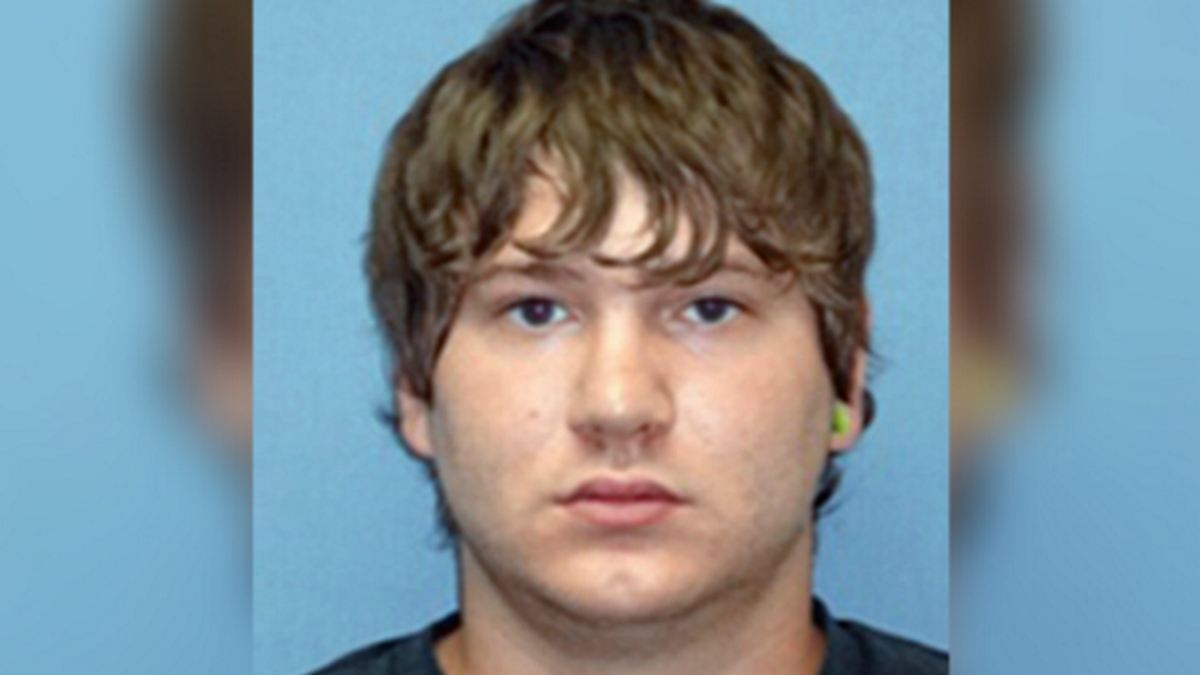
On Monday, Jerry Drake Varnell, 26, of Sayre, Oklahoma, was sentenced to serve 25 years, followed by a lifetime term of supervised release, for attempting to use a weapon of mass destruction at BancFirst in downtown Oklahoma City.  

United States Attorney Timothy J. Downing of the Western District of Oklahoma, Special Agent-in-Charge Melissa R. Godbold of the FBI’s Oklahoma City Field Office, and Chief Wade Gourley of the Oklahoma City Police Department made the announcement.

“The U.S. Government identified Jerry Drake Varnell after learning of his intent to commit this attack,” said U.S. Attorney Downing.  “This case required thorough investigation and careful coordination among agents and prosecutors in a matter that is our highest priority—terrorism,” said U.S. Attorney Downing.  “The investigation and prosecution stopped an attempt to seemingly replicate the deadliest act of domestic terrorism in our Nation’s history.  The sentence imposed today will hold accountable Varnell for his crime and deter others from engaging in this conduct.  I want to thank the agents, analysts, law enforcement officials, and prosecutors whose dedication is responsible for this case.”

“The investigation of Varnell was the result of the tireless efforts of the FBI Oklahoma City Joint Terrorism Task Force and nearly 100 of our partners from federal, state, and local law enforcement. We cannot thank these departments enough for their work to bring Varnell to justice,” said Melissa Godbold, Special Agent in Charge of the FBI’s Oklahoma City Field Office. “I remind the public that combating terrorism, both domestically and internationally, has been and will continue to be the FBI’s number one priority.”

OCPD Chief Gourley said: “This case is extremely poignant considering we are approaching the 25th anniversary of the Oklahoma City Bombing.  This event not only scarred the community of Oklahoma City, but had a profound effect on the nation and set about a response known as the Oklahoma Standard.  This Standard was evident in the teamwork and cooperation among agencies in the successful investigation, apprehension, and prosecution of this case.  My thanks go out to all involved for their hard work and commitment to prevent another devastating attack in our community.”

In February 2019, a federal jury deliberated four hours before they returned a unanimous verdict of guilty on one count of attempting to use an explosive device to damage a building used in interstate commerce and one count of attempting to use a weapon of mass destruction against property used in interstate commerce.

The FBI arrested Varnell at approximately 1:00 a.m. on August 12, 2017, after he attempted to detonate what he believed to be an explosives-laden van he had parked in an alley next to BancFirst, at 101 North Broadway. 

The arrest was the culmination of a long-term domestic terrorism investigation involving an undercover operation, during which Varnell had been monitored closely for months as the bomb plot developed.  The explosives were inert, and the public was not in danger.  

FBI had received information that Varnell initially wanted to blow up the Federal Reserve Building in Washington, D.C., with a device similar to the 1995 Oklahoma City bombing because he was upset with the government.

On October 17, 2017, a federal grand jury charged Varnell with attempting to use an explosive device to damage and destroy BancFirst’s corporate offices.  After a psychological evaluation, the court entered an order on November 21, 2017, that found him competent to stand trial.  The grand jury returned a superseding indictment on April 17, 2018, that added one count of attempting to use a weapon of mass destruction.

At trial, the jury heard testimony from an informant who made recordings of his conversations with Varnell.  It also heard from the undercover FBI agent who helped Varnell build what he thought was a bomb, an FBI bomb technician, and others.  It listened to numerous recordings in which Varnell planned the attack and reviewed numerous written electronic communications that corroborated his intent. 

Furthermore, it heard the testimony of a defense expert concerning Varnell’s mental health.  Through its verdicts, the jury concluded any mental health problems did not prevent Varnell from forming the intent required for conviction.  It also determined the FBI did not entrap him.

This investigation was conducted by the FBI Joint Terrorism Task Force, including members from the Oklahoma City FBI; Homeland Security Investigations, part of the U.S. Department of Homeland Security; the Oklahoma City Police Department; the Edmond Police Department; the Oklahoma Highway Patrol; and the Oklahoma Bureau of Narcotics and Dangerous Drugs.  The FBI worked in conjunction with BancFirst during the investigation.  Oklahoma District Attorney Angela Marsee, of District 2, also provided assistance. 

The case was prosecuted by Assistant U.S. Attorneys Matt Dillon and Mark R. Stoneman, with assistance from the Justice Department’s Counterterrorism Section.

Justice.gov (March 2020) Man Who Attempted to Bomb Downtown Oklahoma City Bank Sentenced to 25 Years