DHS Makes $10 Million in Funding Available for Targeted Violence and Terrorism Prevention Grants


On Tuesday, the Department of Homeland Security (DHS) announced that they are making $10 million available to help local communities more effectively combat terrorism and targeted violence across the United States. 

The $10 million appropriated by Congress under the Fiscal Year 2020 Targeted Violence and Terrorism Prevention (TVTP) Grant Program will support the development of a nationwide terrorism and targeted violence prevention framework.

DHS strongly encourages all eligible entities to apply for this funding opportunity to build capabilities in their communities and online.

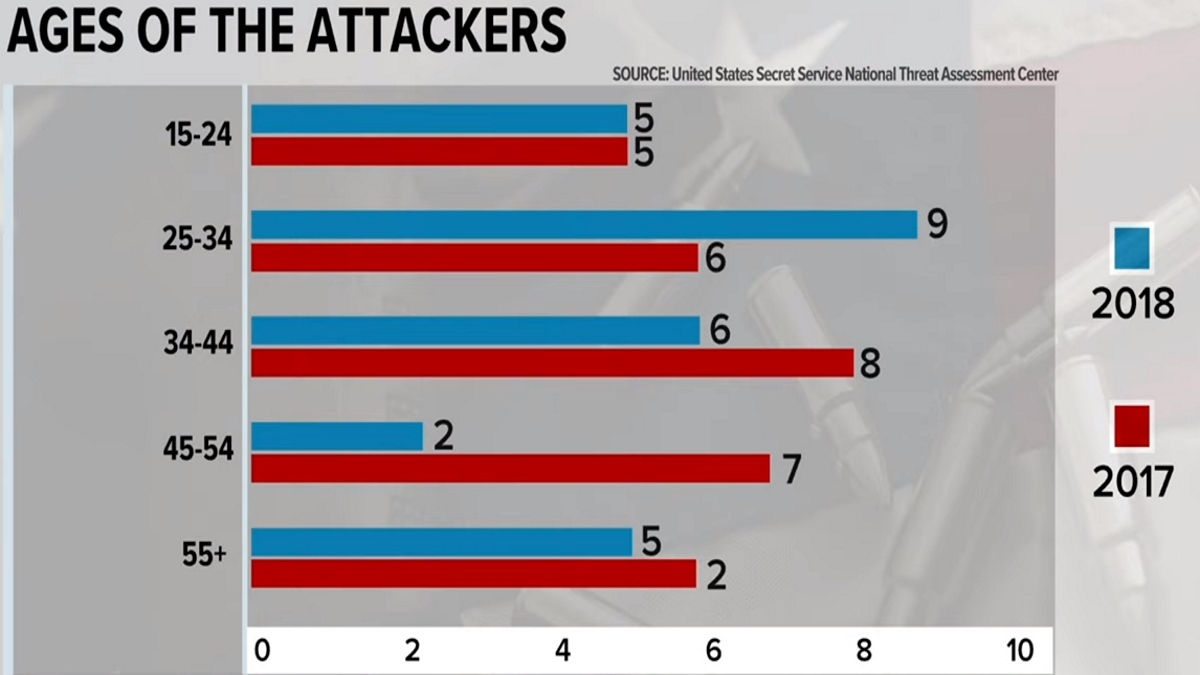
“Attacks by domestic terrorists, those inspired by foreign terrorist organizations, and acts committed by violent individuals with no clear ideological motivation have occurred in communities across America with tragic outcomes,” said Acting Secretary of Homeland Security Chad F. Wolf.  “These grants will improve local communities’ ability to prevent individuals from mobilizing or radicalizing to violence and create locally-based prevention frameworks to address these emerging threats.”

The TVTP Grant Program helps DHS to fulfill its commitment to addressing the threat posed by terrorism and targeted violence at home and builds on the promising practices identified in previous grant programs.  

It is the only federal grant program dedicated to enhancing prevention capabilities in local communities. In its first year, the TVTP Grant Program has three priorities: (1) establishing and enhancing local prevention frameworks with an emphasis on threat assessment and management capabilities; (2) preventing domestic terrorism; and (3) finding innovative solutions for preventing targeted violence and terrorism.

“I want to thank Congress for funding for this mission in a bipartisan way over the last few years, most recently and most significantly, in the Fiscal Year 2020 Appropriations Act. We look forward to working with Congress to continue to advance this effort.” Wolf continued.

Eligible activities under the TVTP Grant Program cover all aspects of prevention, including building resilience, intervention, recidivism prevention, and reintegration programs at the local level. The program directly supports the objectives of the DHS Strategic Framework for Countering Terrorism and Targeted Violence, which DHS released in September 2019. Making these funds available for local prevention partners is a key milestone in the implementation of the Strategic Framework.

TVTP Grant Program funds will support the development of local prevention capabilities at a time when DHS is observing an uptick in online efforts for terrorism recruitment and radicalization from a variety of sectors.

DHS is committed to expanding the program and the President has requested an additional $20 million for TVTP grant funds next fiscal year.

The application period will close on May 29, 2020. Applicants should consult the Notice of Funding Opportunity for more specific information about the process. Applying for this grant is a multi-step process and it is recommended that applicants begin that process early in order to allow sufficient time to complete the interim steps.

For more information, please see the TVTP Grant Program site at https://www.dhs.gov/tvtpgrants.

DHS.gov (April 2020) DHS Makes $10 Million in Funding Available for Targeted Violence and Terrorism Prevention Grants

Pharmacist Arrested and Charged with Firebombing Plot


A Nebraska pharmacist was arrested on Friday on charges related to an alleged conspiracy to use explosives, specifically Molotov cocktails, to firebomb and destroy a competitor pharmacy.

According to court documents, Hyrum T. Wilson, 41, of Auburn, told an alleged co-conspirator: “This is the last shipment he will get from me as long as the other pharmacy is still standing.”

Wilson allegedly supplied thousands of prescription pills, including opioids, from his business, Hyrum’s Family Value Pharmacy, to William Anderson Burgamy IV. Burgamy allegedly operated as the Darknet vendor NeverPressedRX (NPRX) from August 2019 through April 2020, and had thousands of illegal recorded sales on a major Darknet market. Burgamy was charged in the Eastern District of Virginia last week and ordered detained.

The firebombing plot was uncovered through search warrants that were executed following Burgamy’s arrest.

According to court documents, Wilson conspired with Burgamy to conduct a firebombing of another pharmacy in Auburn, Nebraska. The goal of the plot was to destroy Wilson’s local competition, which Wilson and Burgamy allegedly believed would increase the volume of prescription drugs that Wilson’s business could obtain, thereby allowing Wilson and Burgamy’s drug trafficking operation to continue and expand.

Wilson and Burgamy allegedly agreed that the plot, named “Operation Firewood,” would involve the use of Molotov cocktails to burn down the victim pharmacy, and that Burgamy would carry numerous firearms during the attack.

Wilson allegedly created “getaway” maps and routes for Burgamy to use to help him evade law enforcement detection following the intended firebombing. Wilson also suggested that Burgamy steal prescription medications from the victim pharmacy before setting it on fire, and Burgamy offered to share with Wilson the profits from any stolen drugs.

Wilson is charged with conspiracy to use fire and explosives, conspiracy to distribute controlled substances, and a firearms-related offense. If convicted, he faces a maximum penalty of life in prison. Actual sentences for federal crimes are typically less than the maximum penalties.

A federal district court judge will determine any sentence after taking into account the U.S. Sentencing Guidelines and other statutory factors.

G. Zachary Terwilliger, U.S. Attorney for the Eastern District of Virginia; Kevin Vorndran, Acting Special Agent in Charge of the FBI’s Washington Field Office Criminal Division; Mark S. McCormack, Special Agent in Charge, FDA Office of Criminal Investigations, Metro Washington Field Office; Peter R. Rendina, Inspector in Charge of the Washington Division of the U.S. Postal Inspection Service; and Jesse R. Fong, Special Agent in Charge for the Drug Enforcement Administration’s (DEA) Washington Field Division, made the announcement.

The FBI’s Omaha Field Office and the U.S. Attorney’s Office for the District of Nebraska provided significant assistance in executing the arrest. Assistant U.S. Attorney Raj Parekh is prosecuting the case.

This investigation was conducted by the FBI Washington Field Office’s Hi-Tech Opioid Task Force, which is composed of FBI agents and task force partners, including special agents and officers of the Food and Drug Administration’s Office of Criminal Investigations, DEA, U.S. Postal Inspection Service, and detectives from local assisting police agencies. The task force is charged with identifying and investigating the most egregious Dark Web marketplaces, and the vendors operating on the marketplaces who are engaged in the illegal acquisition and distribution of controlled substances, to include fentanyl, methamphetamine, and other opioids. This investigation was also supported by the interagency Joint Criminal Opioid and Darknet Enforcement (JCODE) team.

A copy of this press release is located on the website of the U.S. Attorney’s Office for the Eastern District of Virginia. Related court documents and information are located on the website of the District Court for the Eastern District of Virginia or on PACER by searching for Case No. 1:20-mj-140.

A criminal complaint is merely an accusation. The defendant is presumed innocent until proven guilty.

Justice.gov (April 2020) Pharmacist Arrested and Charged with Firebombing Plot

East Longmeadow Man Charged with Attempted Arson at Longmeadow Assisted Living Residential Facility


Incendiary device was placed at entrance of Ruth’s House, a Jewish-sponsored assisted living residential facility

An East Longmeadow man was arrested last week and charged in connection with attempted arson at a Longmeadow assisted living residential facility.

John Michael Rathbun, 36, was charged in a criminal complaint in federal court in Springfield with two counts of attempted arson. Rathbun will make an initial appearance via video-conference before Magistrate Judge Katherine Robertson.

“In times of national crisis, hatred based on religion often blossoms into violence,” said United States Attorney Andrew E. Lelling. “The charges in this case allege that the defendant tried to blow up a Jewish assisted living residence with a five gallon gas canister, at the same time that the facility was being discussed on white supremacist online platforms. We will find, investigate and aggressively prosecute anyone engaged in this kind of mayhem.  I also extend my thanks to the Longmeadow Police Department for its help with this investigation.”

“As alleged, John Rathbun placed a homemade incendiary device near the entrance of a Jewish assisted living facility, located within a short distance of three Jewish temples, a Jewish private school, and a Jewish Community Center,” said Joseph R. Bonavolonta, Special Agent in Charge of the FBI Boston Division. “This case highlights the very real threat posed by racially motivated violent extremists and make no mistake, the FBI will use every investigative tool available, along with the expertise and skills of our partners on our Joint Terrorism Task Forces, to identify, assess and disrupt threats like this one to keep our communities safe.”

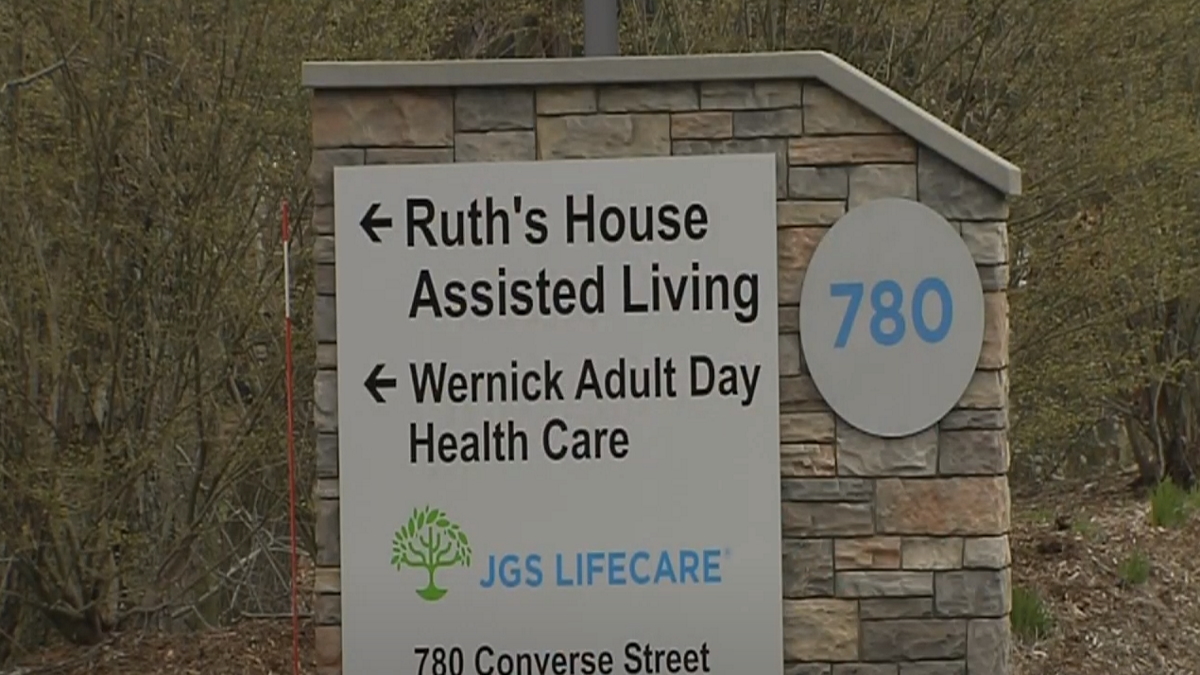
According to the criminal complaint, on April 2, 2020, police discovered a homemade incendiary device at the entrance of Ruth’s House, a Jewish-sponsored assisted living residential facility for seniors of all faiths, located on Converse Street in Longmeadow.

The device was located within feet of a widely used pedestrian walkway and approximately 50 yards from the Ruth’s House facility.

Ruth’s House is located within one square mile of several other Jewish facilities, including three Jewish temples, a Jewish private school and a Jewish Community Center. 

It is alleged that the incendiary device consisted of a five-gallon plastic Scepter gas canister, filled with liquid believed to be flammable gasoline, with burnt paper (later identified as a Christian religious pamphlet) placed in the nozzle of the canister.

A portion of the pamphlet was charred and appeared to have been lit on fire in an attempt to ignite the gas. Law enforcement observed what appeared to be blood stains on the canister handle and on the pamphlet. On or about April 9, 2020, it was determined that samples of the stains on the canister and the pamphlet were linked to Rathbun’s DNA profile.

In March 2020, a white supremacist organization that operated on two social media platforms was identified by law enforcement. On these platforms, users promoted mass killings in the United States and elsewhere directed against religious, racial and ethnic minorities; discussed plans to engage in these crimes themselves; discussed using various explosive and incendiary devices, including improvised devices commonly known as “Molotov cocktails”;  and identified targets, such as mosques and synagogues. 

On or about March 4, 2020, a user on the first social media platform specified two choices for mass killings, including “that jew nursing home in longmeadow massachusetts.” The organization’s form on the second platform included a calendar in which users could create events that listed the dates, times, and locations; invite other users to attend the event; and communicate concerning the event.

The calendar listed the following entries: April 2, 2020 – “hating ni**ers day”; and April 3, 2020 – “jew killing day.” The calendar entry for “jew killing day” listed the event location as “Jew Nursery Home” without a specifying address. It is alleged that the user who identified the Jewish nursing home in Longmeadow, and the user who created the April 3 calendar entry, are likely the same individual.

Anyone with questions or information about this case can contact the U.S. Attorney’s Office at (888) 221-6023.   

The charge of attempting to transport or receive explosive devices in interstate or foreign commerce with the knowledge or intent that the device will be used to kill, injure, or intimidate any individual or unlawfully to damage or destroy any building, vehicle, or other real or personal property provides for a sentence of up to 10 years in prison, three years of supervised release and a fine of $250,000.

The charge of attempting to maliciously damage or destroy, by means of fire or an explosive, any building, vehicle, or other real or personal property used in interstate or foreign commerce provides for a mandatory minimum sentence of five years and a maximum of 10 years in prison, three years of supervised release and a fine of $250,000. Sentences are imposed based upon the U.S. Sentencing Guidelines and other statutory factors.     

U.S. Attorney Lelling and FBI Boston SAC Bonavolonta made the announcement today. The investigation was led by the FBI’s Western Massachusetts Joint Terrorism Task Force with valuable assistance also provided by the Longmeadow and East Longmeadow Police Departments and the Massachusetts State Police.

Assistant U.S. Attorney Steven H. Breslow of Lelling’s Springfield Branch Office is prosecuting the case. 

The details contained in the complaint are allegations. The defendant is presumed innocent unless and until proven guilty beyond a reasonable doubt in a court of law. 

Justice.gov (April 2020) East Longmeadow Man Charged with Attempted Arson at Longmeadow Assisted Living Residential Facility

Remembering The Oklahoma City Bombing 25 Years Later


Retired FBI Agent reflects on tragic day and how it shaped the Bureau

On the morning of April 19, 1995, FBI Special Agent Barry Black was tracking a white-collar fugitive a few miles from downtown Oklahoma City when he heard a loud blast in the distance.

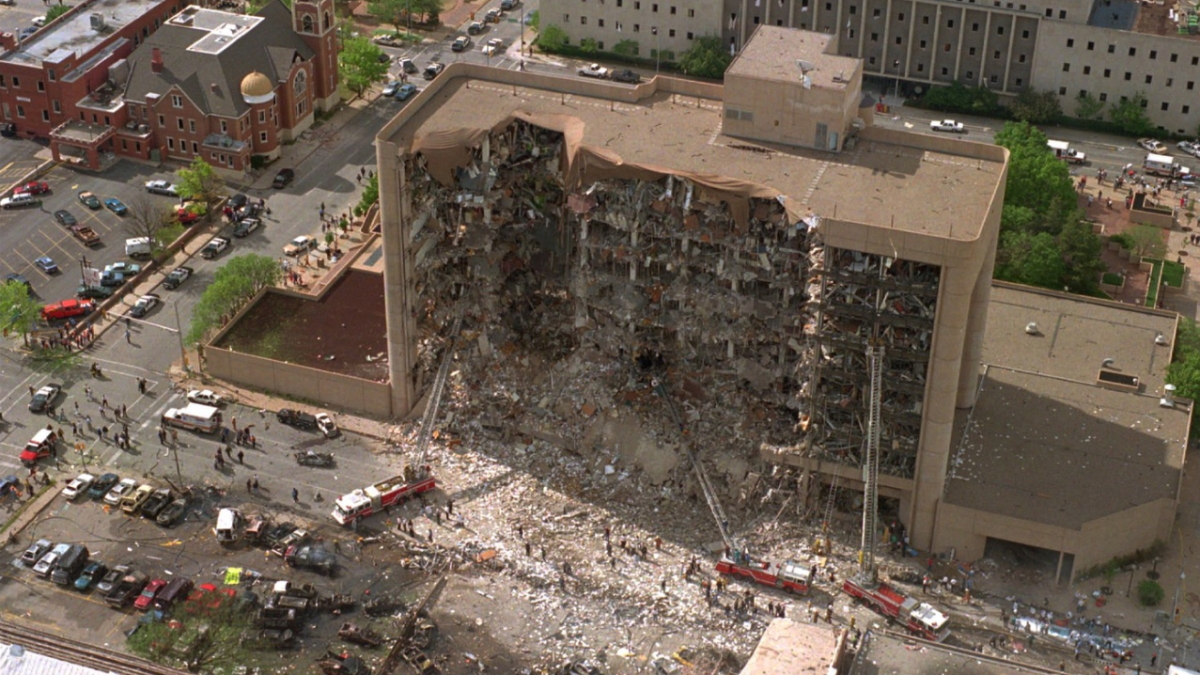
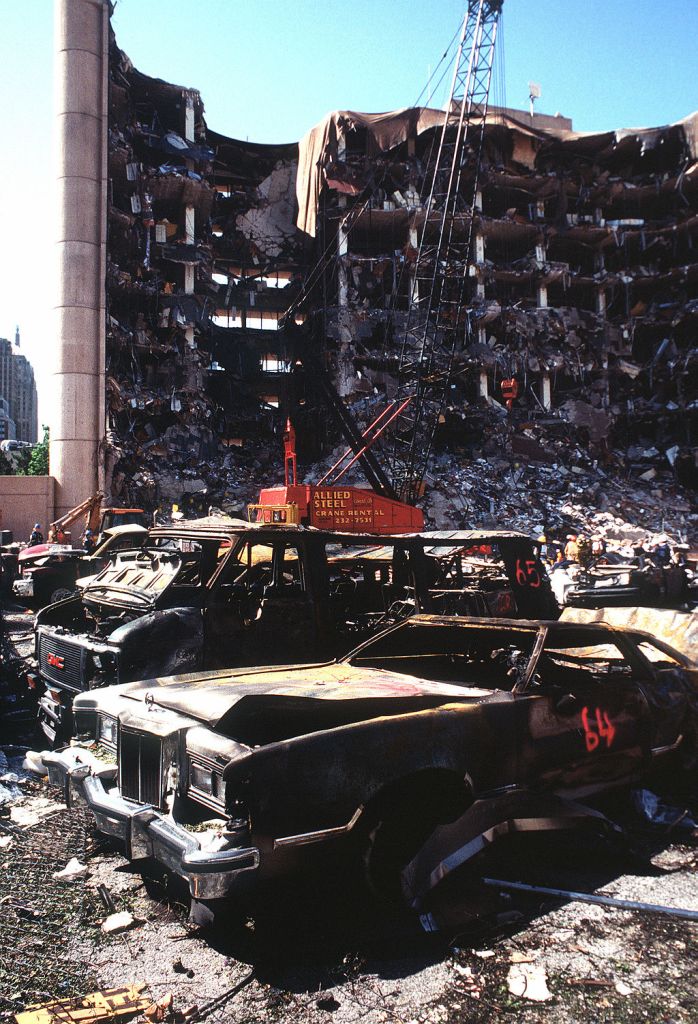
The bombing of the Alfred P. Murrah Federal Building in Oklahoma City on April 19, 1995 was the deadliest act of homegrown terrorism in U.S. history, resulting in the deaths of 168 people. In a matter of seconds, the blast destroyed most of the nine-story building, incinerated nearby vehicles, and damaged or destroyed more than 300 other buildings.

Soon after, Black was pulled from his fugitive case to begin working the massive investigation of the deadly bombing that took the lives of 168 people, including 19 children, at the Alfred P. Murrah Federal Building.

The efforts of Black and scores of federal, state, and local investigators led to the convictions of Timothy McVeigh and his co-conspirators, Terry Nichols and Michael Fortier, in one of the worst homegrown terrorism cases in the nation’s history.

“It was a group effort. I was there doing my part just like everyone else,” said Black, who recently retired from the FBI.

Oklahoma City Bombing Investigation at a Glance

Twenty-five years ago, the Oklahoma City bombing investigators:

  • Conducted more than 28,000 interviews
  • Followed more than 43,000 investigative leads
  • Collected more than 3 tons of evidence
  • Searched more than 13.2 million hotel registration records
  • Reviewed more than 3.1 million truck rental records
  • Searched more than 682,000 airline reservation records.

The event shaped the FBI’s approach to investigating terrorism.

More than 1,400 investigators, including Black, uncovered more than three tons of evidence.

After the bombing, one of Black’s responsibilities was tracking items from the point of collection to the FBI Laboratory, where they were examined and logged. This was 25 years ago, and the technology available at the time played a major factor in how the evidence was collected and managed.

“Managing the sheer volume of information was a real undertaking,” said Black. “Before we had digital photography, this investigation incorporated 238,000 wet film photographs. When you remembered seeing something, you had to be able to find it.”

One of the crucial pieces of evidence that Black found early in the investigation was a badly damaged rear axle. He jotted down the vehicle identification number (VIN), which was used to trace the part to the Ryder rental truck used to detonate the bomb.

Employees at the shop where the truck was rented helped the FBI put together the composite drawing of McVeigh, who had used an alias during that transaction.

“You look at the Boston [Marathon] bombing and how that information was publicized. In that case, we had digital images as people of interest,” said Black. “That technology didn’t exist in 1995. We relied on a sketch that generated thousands of leads and interviews.”

Local hotel employees recognized the man in the composite sketch as one of their guests—and here, McVeigh had checked in using his real name.

Piecing it all together led to the charges that ultimately resulted in McVeigh’s conviction and execution, a life sentence for Nichols, and 12 years in prison for Fortier.

The Oklahoma City bombing introduced a frightening new concept for the United States: homegrown terrorism. Until the 1993 World Trade Center bombing, the country hadn’t witnessed an event of this magnitude, let alone one carried out by American citizens.

After the bombing, the FBI began shifting its priorities.

The number of Joint Terrorism Task Forces nationwide expanded, as did the training programs at the Hazardous Devices School, to increase partnerships between the FBI and other federal, state, and local law enforcement agencies.

Not only did the FBI start providing law enforcement bomb techs with clearances to share equipment and information with them, we also focused on ramping up our investigative technology and getting more specialized equipment for the field.

“We’ve taken the lessons learned from these unfortunate events to ensure that our response is more rapid in the field,” Black said.

Since his retirement from the FBI in 2019, Black has continued to share the story of his involvement with the bombing case and task force. Along with national speaking engagements with military organizations and law enforcement agencies, Black leads tours with the Oklahoma City National Memorial & Museum’s First Person: Stories of Hope program.

Several items collected by FBI investigators during the case are on display at the museum. Black has also donated his own equipment and artifacts, such as the hard hat he wore, his FBI field jacket, and the note with the VIN he wrote down from the truck’s rear axle.  

Built on the former site of the Murrah Building, the museum honors victims, survivors, and first responders affected by the bombing.

“The memorial is a unique place,” said Black. “A lot of the displays, which still belong to the FBI, are available for the public to see. We’ve partnered with this facility to make sure what happened here is remembered.”

FBI.gov (April 2020) The Oklahoma City Bombing 25 Years Later

Justice Department Seeks to End Illegal Online Sale of Industrial Bleach Marketed as “Miracle” Treatment for COVID-19


Court Orders Defendants to Stop Operating Website Selling Unlawful Bleach Product for Coronavirus Treatment

The United States District Court for the Southern District of Florida has entered a temporary injunction halting the sale of an unapproved, unproven, and potentially dangerous coronavirus (COVID-19) treatment product, the Department of Justice announced today.

In a civil complaint and accompanying court papers filed in U.S. District Court for the Southern District of Florida today, the Department of Justice alleges that the defendants, Genesis II Church of Health and Healing (Genesis) and its principals, Mark Grenon, Joseph Grenon, Jordan Grenon, and Jonathan Grenon sell and distribute a product called Miracle Mineral Solution, also referred to as MMS. 

Genesis sells MMS through its websites claiming that it will cure, mitigate, treat, or prevent Coronavirus, which includes COVID-19, as well as other diseases including Alzheimer’s, autism, brain cancer, HIV/AIDS, and multiple sclerosis, among others. 

MMS is a chemical product which, when combined with the included activator, creates a powerful bleach product that the defendants market for oral ingestion. 

The Food and Drug Administration (FDA) has previously issued public warnings to consumers that MMS can cause nausea, vomiting, diarrhea, and symptoms of severe dehydration.  The Justice Department sought preliminary relief from the court.

“The Department of Justice will take swift action to protect consumers from illegal and potentially harmful products being offered to treat COVID-19,” said Assistant Attorney General Jody Hunt.  “We will continue to work closely alongside our partners at the Food and Drug Administration to quickly shut down those selling illegal products during this pandemic.”

“We will zealously pursue perpetrators of fraud schemes seeking to take advantage of the COVID-19 pandemic,” said U.S. Attorney Ariana Fajardo Orshan for the Southern District of Florida.  “Not only are these products potentially harmful, but their distribution and use may prevent those who are sick from receiving the legitimate healthcare they need.”

The complaint alleges that defendants’ disease-related treatment claims are unsupported by any well-controlled clinical studies or other credible scientific substantiation.  Additionally, the complaint asserts that MMS’s labeling is false and misleading and that since defendants make disease-related treatment claims about MMS in the absence of any clinical data, the products are misbranded. 

On April 8, 2020, FDA, jointly with the Federal Trade Commission, issued a Warning Letter to Defendants notifying them that they are violating federal law (both the Federal Food, Drug, and Cosmetic Act as well as the Federal Trade Commission Act) by, among other things, distributing unapproved new drugs and misbranded drugs in interstate commerce. 

Despite this warning, the complaint alleges, the defendants not only continue to sell MMS with claims that it cures, mitigates, treats, or prevents Coronavirus, which includes COVID-19, but they have also expressly stated that they will not take corrective action.

“Americans expect and deserve proven medical treatments and today’s action is a forceful reminder that the U.S. Food and Drug Administration will use its legal authorities to quickly stop those who have proven to continuously threaten the health of the American public.  It is vital that sellers of drug products comply with the FD&C Act and do not sell products with false and misleading claims, especially to treat COVID-19 and other debilitating diseases, such as autism and Alzheimer’s disease,” said FDA Commissioner Stephen M. Hahn, M.D.  

“Despite a previous warning, the Genesis II Church of Healing has continued to actively place consumers at risk by peddling potentially dangerous and unapproved chlorine dioxide products.  We will not stand for this, and the FDA remains fully committed to taking strong enforcement action against any sellers who place unsuspecting American consumers at risk by offering their unproven products to treat serious diseases.”

FDA’s previous warning to consumers about the dangers of MMS can be found here: https://www.fda.gov/consumers/consumer-updates/danger-dont-drink-miracle-mineral-solution-or-similar-products.

The enforcement action filed today is being prosecuted by Senior Litigation Counsel Ross S. Goldstein and David A. Frank of the Department of Justice, Civil Division’s Consumer Protection Branch and Assistant U.S. Attorney Matthew Feeley of the U.S. Attorney’s Office for the Southern District of Florida, with assistance from Associate Chief Counsel for Enforcement Joshua Davenport of the FDA, Office of General Counsel, Department of Health and Human Services.

The claims made in the complaint are allegations that, if the case were to proceed to trial, the government must prove to receive a permanent injunction against the defendants.

Additional information about the Consumer Protection Branch and its enforcement efforts may be found at www.justice.gov/civil/consumer-protection-branch.  

For more information about the U.S. Attorney’s Office for the Southern District of Florida, visit its website at www.justice.gov/usao-sdfl.  

For information about the Department of Justice’s efforts to stop illegal COVID-19-related activity, visit www.justice.gov/coronavirus

For the most up-to-date information on COVID-19, consumers may visit the Centers for Disease Control and Prevention (CDC) and WHO websites.

The public is urged to report suspected fraud schemes related to COVID-19 (the Coronavirus) by calling the National Center for Disaster Fraud (NCDF) hotline (1-866-720-5721) or by e-mailing the NCDF at disaster@leo.gov.

Justice.gov (April 2020) Justice Department Seeks to End Illegal Online Sale of Industrial Bleach Marketed as “Miracle” Treatment for COVID-19