CBP Officers in Cincinnati Seize Disinfecting Wipes Containing 4Lbs of Marijuana


As the Coronavirus continues to affect people’s lives, more and more people are purchasing cleaning supplies online. However, smugglers are using this pandemic to conceal nefarious activities. U.S. Customs and Border Protection (CBP) officers in Cincinnati seized a shipment of disinfecting wipes that contained a little bit more than what you can find on your store shelf.

Cell Phones and Accessories

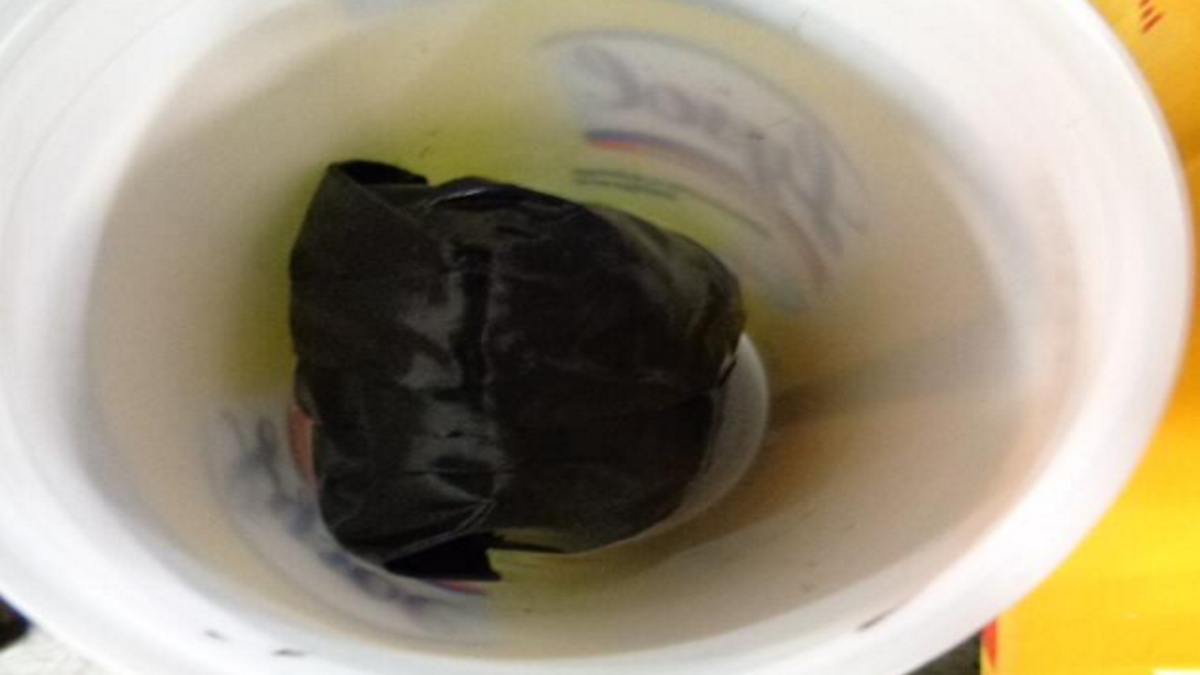
On May 6, 2020 CBP Officers inspected a shipment arriving from Canada and heading to a doctor in Barbados. Officers held the package for inspection based on their experience, x-ray anomalies and a drug detector canine alerted to the parcel. Inside officers found disinfecting wipe canisters and other cleaning products.

However, inside those canisters and other packages was four pounds of Marijuana.

“The dedication and vigilance of our officers at our express consignment facilities continues to prevent a substantial amount of drugs from reaching their destination,” said Richard Gillespie, Port Director, Cincinnati. “This is another excellent example of what U.S. Customs and Border Protection does each and every day.”

CBP officers screen international travelers and cargo and search for illicit narcotics, unreported currency, weapons, counterfeit consumer goods, prohibited agriculture, and other illicit products that could potentially harm the American public, U.S. businesses, and our nation’s safety and economic vitality. 

CBP seized an average of 3,707 pounds of illicit narcotics every day during 2019 across the United States. Learn about what CBP accomplished during “A Typical Day” in 2019.

CBP.gov (May 2020) CBP Officers in Cincinnati Seize Disinfecting Wipes Containing 4Lbs of Marijuana

CBP officers seize counterfeit televisions at International Falls Port of Entry


U.S. Customs and Border Protection (CBP) Office of Field Operations officers at the International Falls, Minnesota, Port of Entry targeted a rail container destined to arrive in Ranier.  

CBP officers inspected the rail container and discovered televisions in violation of intellectual property rights (IPR) regulations.  CBP seized 440 televisions with an estimated manufacturer’s suggested retail price of $175,560 if the goods had been genuine.  

“CBP is focused on identifying and intercepting counterfeit merchandise and products. The enforcement of trade laws at U.S. ports of entry remains a high priority for us,” said Anthony Jackson, International Falls Port Director. “Counterfeiting adversely affects the ability of lawful copyright holders to profit from their original ideas. Counterfeiting also harms consumers because manufacturers of forged products have little motivation to use safe, high-quality materials in their products.”

Stopping the flow of illicit goods is a priority trade issue for CBP. The importation of counterfeit merchandise can damage the U.S. economy and threaten the health and safety of the American people. For more information on CBP’s IPR priority trade issue visit: CBP Trade and IPR.

With the growth of foreign trade, unscrupulous companies have profited billions of dollars from the sale of counterfeit and pirated goods.

To combat the illicit trade of merchandise violating laws relating to IPR, trademark and copyright holders may register with CBP through an online system. Such registration assists CBP officers and import specialists in identifying merchandise that violates U.S. law.

CBP’s IPR enforcement strategy is multi-layered and includes seizing illegal merchandise at our borders, pushing the border “outward” through audits of suspect importers, cooperating with our international trading partners, and collaborating with industry and governmental agencies to enhance these efforts.

CBP has established an educational initiative at U.S. international airports and online to raise consumer awareness about the consequences and dangers that can be associated with the purchase of counterfeit and pirated goods.

These include the loss of American jobs, support of criminal activity, significant risks to consumer health and safety, and the impacts of unknowingly purchasing counterfeits online.  For more information, see www.cbp.gov/fakegoodsrealdangers.

If you have any information regarding suspected fraud or illegal trade activity, please contact CBP through the e-Allegations Online Trade Violation Reporting System or by calling 1-800-BE-ALERT. 

IPR violations can also be reported to the National Intellectual Property Rights Coordination Center at https://www.iprcenter.gov/referral/ or by telephone at 1-866-IPR-2060.

CBP.gov (May 2020) CBP officers seize counterfeit televisions at International Falls Port of Entry

APT Groups Target Healthcare and Essential Services


This is a joint alert from the United States Department of Homeland Security (DHS) Cybersecurity and Infrastructure Security Agency (CISA) and the United Kingdom’s National Cyber Security Centre (NCSC)

CISA and NCSC continue to see indications that advanced persistent threat Advanced Persistent Threats (APT) groups are exploiting the Coronavirus Disease 2019 (COVID-19) pandemic as part of their cyber operations.

This joint alert highlights ongoing activity by APT groups against organizations involved in both national and international COVID-19 responses. It describes some of the methods these actors are using to target organizations and provides mitigation advice.

The joint CISA-NCSC Alert: (AA20-099A) COVID-19 Exploited by Malicious Cyber Actors from April 8, 2020, previously detailed the exploitation of the COVID-19 pandemic by cybercriminals and APT groups.

This joint CISA-NCSC Alert provides an update to ongoing malicious cyber activity relating to COVID-19.

For a graphical summary of CISA’s joint COVID-19 Alerts with NCSC, see the following guide.

COVID-19-related targeting

APT actors are actively targeting organizations involved in both national and international COVID-19 responses. These organizations include healthcare bodies, pharmaceutical companies, academia, medical research organizations, and local governments.

APT actors frequently target organizations in order to collect bulk personal information, intellectual property, and intelligence that align with national priorities.

The pandemic has likely raised additional interest for APT actors to gather information related to COVID-19. For example, actors may seek to obtain intelligence on national and international healthcare policy, or acquire sensitive data on COVID-19-related research.

Targeting of pharmaceutical and research organizations

CISA and NCSC are currently investigating a number of incidents in which threat actors are targeting pharmaceutical companies, medical research organizations, and universities. APT groups frequently target such organizations in order to steal sensitive research data and intellectual property for commercial and state benefit.

Organizations involved in COVID-19-related research are attractive targets for APT actors looking to obtain information for their domestic research efforts into COVID-19-related medicine.

These organizations’ global reach and international supply chains increase exposure to malicious cyber actors. Actors view supply chains as a weak link that they can exploit to obtain access to better-protected targets.

Many supply chain elements have also been affected by the shift to remote working and the new vulnerabilities that have resulted.

Recently CISA and NCSC have seen APT actors scanning the external websites of targeted companies and looking for vulnerabilities in unpatched software. Actors are known to take advantage of Citrix vulnerability CVE-2019-19781[1],[2] and vulnerabilities in virtual private network (VPN) products from Pulse Secure, Fortinet, and Palo Alto.[3],[4]

COVID-19-related password spraying activity

CISA and NCSC are actively investigating large-scale password spraying campaigns conducted by APT groups. These actors are using this type of attack to target healthcare entities in a number of countries—including the United Kingdom and the United States—as well as international healthcare organizations.

Previously, APT groups have used password spraying to target a range of organizations and companies across sectors—including government, emergency services, law enforcement, academia and research organizations, financial institutions, and telecommunications and retail companies.

Technical Details

Password spraying is a commonly used style of brute force attack in which the attacker tries a single and commonly used password against many accounts before moving on to try a second password, and so on. This technique allows the attacker to remain undetected by avoiding rapid or frequent account lockouts. These attacks are successful because, for any given large set of users, there will likely be some with common passwords.

Malicious cyber actors, including APT groups, collate names from various online sources that provide organizational details and use this information to identify possible accounts for targeted institutions. The actors will then “spray” the identified accounts with lists of commonly used passwords.

Once the malicious cyber actor compromises a single account, they will use it to access other accounts where the credentials are reused. Additionally, the actor could attempt to move laterally across the network to steal additional data and implement further attacks against other accounts within the network.

In previous incidents investigated by CISA and NCSC, malicious cyber actors used password spraying to compromise email accounts in an organization and then, in turn, used these accounts to download the victim organization’s Global Address List (GAL).

The actors then used the GAL to password spray further accounts.

NCSC has previously provided examples of frequently found passwords, which attackers are known to use in password spray attacks to attempt to gain access to corporate accounts and networks. In these attacks, malicious cyber actors often use passwords based on the month of the year, seasons, and the name of the company or organization.

CISA and NCSC continue to investigate activity linked to large-scale password spraying campaigns.

APT actors will continue to exploit COVID-19 as they seek to answer additional intelligence questions relating to the pandemic. CISA and NCSC advise organizations to follow the mitigation advice below in view of this heightened activity.

Mitigations

CISA and NCSC have previously published information for organizations on password spraying and improving password policy. Putting this into practice will significantly reduce the chance of compromise from this kind of attack.

CISA’s Cyber Essentials for small organizations provides guiding principles for leaders to develop a culture of security and specific actions for IT professionals to put that culture into action.

Additionally, the UK government’s Cyber Aware campaign provides useful advice for individuals on how to stay secure online during the coronavirus pandemic. This includes advice on protecting passwords, accounts, and devices.

A number of other mitigations will be of use in defending against the campaigns detailed in this report:

Contact Information

CISA encourages U.S. users and organizations to contribute any additional information that may relate to this threat by emailing CISAServiceDesk@cisa.dhs.gov.

The NCSC encourages UK organizations to report any suspicious activity to the NCSC via their website: https://report.ncsc.gov.uk/.

Disclaimers

This report draws on information derived from CISA, NCSC, and industry sources. Any findings and recommendations made have not been provided with the intention of avoiding all risks and following the recommendations will not remove all such risk. Ownership of information risks remains with the relevant system owner at all times.

CISA does not endorse any commercial product or service, including any subjects of analysis. Any reference to specific commercial products, processes, or services by service mark, trademark, manufacturer, or otherwise, does not constitute or imply their endorsement, recommendation, or favoring by CISA.

References

[1] CISA Alert: Detecting Citrix CVE-2019-19781

[2] NCSC Alert: Actors exploiting Citrix products vulnerability

[3] CISA Alert: Continued Exploitation of Pulse Secure VPN Vulnerability

[4] NCSC Alert: Vulnerabilities exploited in VPN products used worldwide

US-Cert.gov (May 2020) APT Groups Target Healthcare and Essential Services

B-1B Lancers return to Indo-Pacific for bomber task force deployment


The U.S. Air Force B-1B Lancers have returned to the Indo-Pacific region on May 1 to conduct bomber task force operations out of Andersen Air Base, Guam.

Four bombers and approximately 200 Airmen from the 9th Bomb Squadron, 7th Bomb Wing, Dyess Air Force Base, Texas, deployed to support Pacific Air Forces‘ training efforts with allies, partners and joint forces; and strategic deterrence missions to reinforce the rules-based international order in the Indo-Pacific region.

Three B-1Bs flew to Andersen AFB while one split off and flew down east of Japan to conduct training with U.S. Navy assets operating in the region before heading to Andersen AFB.

“Deployments like this allow our Airmen to enhance the readiness and training necessary to respond to any potential crisis or challenge across the globe,” said Col. Ed. Sumangil, 7th BW commander. “It also provides a valuable opportunity to better integrate with our allies and partners through joint and combined operations and exercises.”

In line with the National Defense Strategy objectives of strategic predictability and operational unpredictability, the Bomber Task Force enables a mix of different types of strategic bombers to operate forward in the Indo-Pacific region from a broader array of overseas and continental U.S. locations with greater operational resilience.

“The B-1 provides all of the training opportunities which the B-52 (Stratofortress) provided, plus the ability to train to advanced standoff, anti-surface warfare with (Long Range Anti-Surface Missiles),” said Lt. Col. Frank Welton, PACAF’s chief of operations force management.

The B-1 can carry the largest conventional payload of both guided and unguided weapons in the U.S. Air Force.

“The B-1 is able to carry a larger payload of Joint Air-to-Surface Standoff Missiles and a larger payload of 2,000-pound class Joint Direct Attack Munitions,” Welton said. “Additionally, the B-1 is able to carry the LRASM, giving it an advanced standoff, counter-ship capability. It also has an advanced self-protection suite and is able to transit at supersonic speeds to enhance offensive and defensive capabilities.”

The last time the B-1s were deployed to the region was in 2017. Bombers from the 9th Expeditionary Bomb Squadron supported missions from Andersen AFB, conducting multiple sequenced bilateral missions with the South Korean air force and the Japan Air Self-Defense Force.

“Our wing has conducted, and participated in, a variety of exercises over the last year to ensure we are primed for large-scale missions such as this one,” Sumangil said. “We’re excited to be back in Guam and proud to continue to be part of the ready bomber force prepared to defend America and its allies against any threat.”

The last BTF deployed to the Pacific was in January 2019 when three B-2 Spirits and approximately 200 Airmen from the 393rd Bomb Squadron from Whiteman AFB, Missouri, deployed to Hawaii.

The squadron conducted 37 sorties for a total of 171 hours. Eight of the missions were integration operations with F-22 Raptors from the 199th Fighter Squadron, 154th Wing, and Hawaii Air National Guard.

AF.mil (May 2020) B-1B Lancers return to Indo-Pacific for bomber task force deployment

Not every COVID-19 testing site is legit


You probably know that COVID-19 tests are in short supply. But did you know there’s no shortage of scammers setting up fake COVID-19 testing sites to cash in on the crisis? 

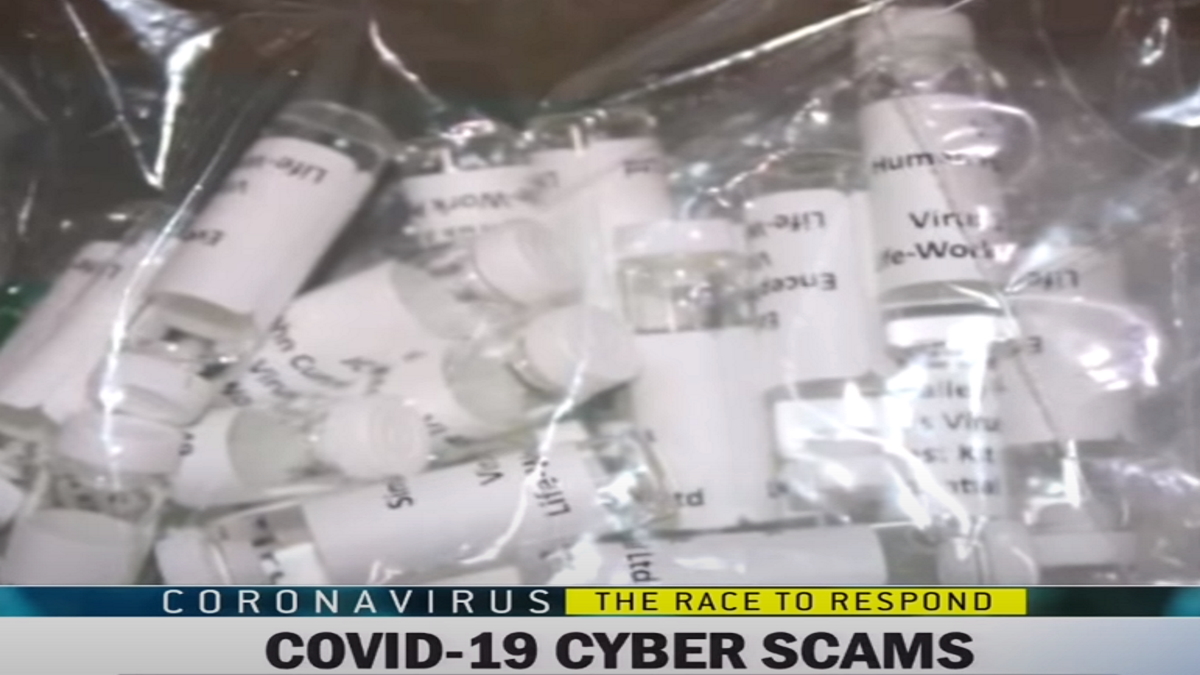
The fake sites can look real, with legitimate-looking signs, tents, hazmat suits, and realistic-looking tests. And the damage these fake testing sites can cause is very real.

They aren’t following sanitation protocols, so they can spread the virus.

They’re taking people’s personal information, including Social Security numbers, credit card information, and other health information – all of which can be used for identity theft and to run up your credit card bill. Worst of all, they’re not giving people the help they need to stay healthy. In other words, these testing sites are bad news.

Here are a few things to keep in mind when looking into testing sites.

  • If you think you should get tested, ask your doctor. Some people with COVID-19 have mild illness and are able to recover at home without medical care. They may not need to be tested, according to the CDC. Not sure if you need to get tested? Try the CDC’s self-checker.
  • Get a referral. Testing sites are showing up in parking lots and other places you wouldn’t expect to get a lab test. Some of these are legit – and some are not. The best way to know is to go somewhere you have been referred to by your doctor or state or local health department’s website. In other words, don’t trust a random testing site you see on the side of the road.
  • Not sure if a site is legit? Check with your local police or sheriff’s office. If a legitimate testing site has been set up, they should know about it. And, if an fake testing site is operating, they’ll want to know.

Spotted a fake COVID-19 testing site? We want to hear about it. Report it at ftc.gov/complaint.

FTC.gov (May 2020) Not every COVID-19 testing site is legit