War Memorial in Lawrenceville PA Vandalized Overnight


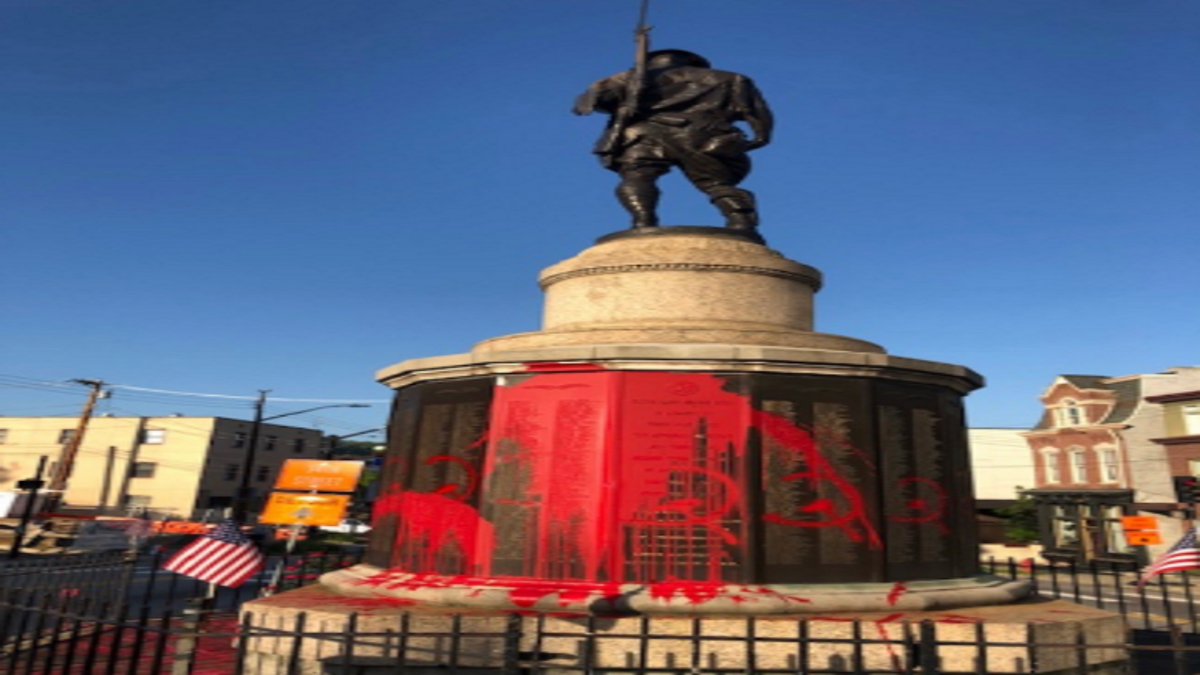
Pittsburgh Police from Zone 2 responded to reports of vandalism at the War Memorial at Doughboy Square at the junction of Butler Street and Penn Avenue in Lawrenceville before 8:00 a.m.

Officers found the memorial splashed with red paint and scrawled with indeterminate messages. 

People who KDKA talked to say they’re hurt and disgusted by the act of vandalism on a day when we remember those who made the ultimate sacrifice for our country.

“It’s just so sad,” Duane Rieder, a Pittsburgh resident, said. “What is your message? Why would you do something like this to this incredible piece?”

The monument, known as “The Doughboy War Memorial,” honors those who served in World War I, but is also in memory to all military members who have sacrificed it all.

“Everybody knows it for where it is. The corner here where Butler comes into here with Penn,” said Rieder.

Police are reviewing all available video footage. Arrangements are being made to have the memorial cleaned.

“Vandalizing a memorial on any day is wrong, but it is incomprehensible to vandalize this memorial on a day in which we honor those who served and gave their lives for the freedoms we enjoy today. Pittsburgh Police will vigorously investigate this crime, “Pittsburgh Public Safety Director Wendell Hissrich said.

The investigation is ongoing.

Anyone with information is asked to contact police immediately at (412) 323-7800.

Pittsburghpa.Gov; CBS-Pittsburgh (May 2020) War Memorial in Lawrenceville Vandalized Overnight;‘Whoever Did This. Please Leave.’: Mayor Peduto Responds After WWI Monument Vandalized With Mysterious Message On Memorial Day
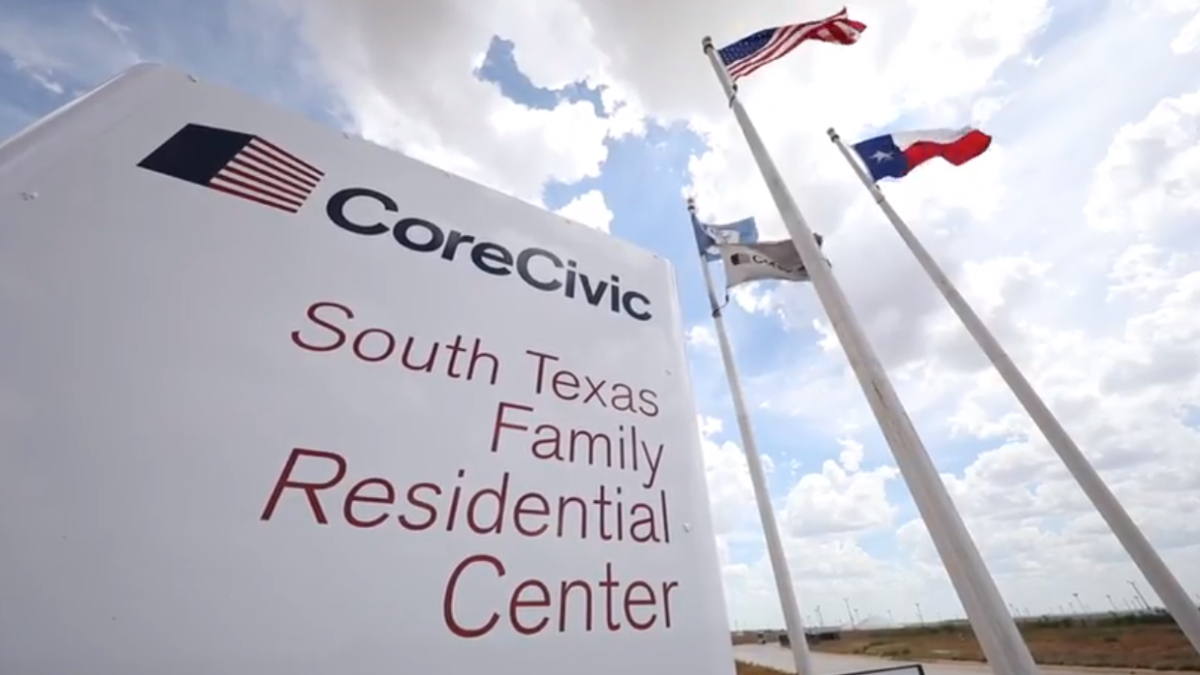
ICE responds to recent media coverage regarding family residential centers


On April 24, U.S. Immigration and Customs Enforcement (ICE) was directed by the U.S. District Court for the Central District of California to make every effort to promptly and safely release juvenile aliens who have suitable custodians and who are not a flight risk or a danger to themselves or others.

The court recognized that parents, not the government, should decide whether the juvenile should be released to a sponsor.

To comply with this order, ICE was required to check with each of the juveniles – and their parents – in custody at family residential centers (FRCs) to make individual parole determinations with respect to those juveniles.

To comply with the court-ordered deadline of May 15, ICE again interviewed nearly 300 individuals at the FRCs using a form developed almost three years ago to comply with another order from the same court.

This form, which has been recently circulating in media outlets, was submitted to the court December 1, 2017, and has since been available as part of the court’s public record.

This process is not new, and ICE has continually complied with the court’s order to conduct parole reviews of minors.

Despite misrepresentations, this form is nothing more than an internal worksheet used to document answers to questions regarding parole. In compliance with the judge’s order last week, some officers asked the individuals to initial or sign at the bottom of each page to verify that these were in fact their responses.

It is not a legally binding document and does not convey any legal implications on the family unit.

ICE continues to explore all options to ensure it acts in compliance with the court’s order which applies only to juvenile aliens, and not to their parents.

Parole can be denied based on flight risk or danger to self or others. Further, the court recognized that ICE need not release juvenile aliens whose parents waive their court-ordered option to be released to a sponsor.

This court-ordered option has been incorrectly reported as a change in policy. This is simply false. ICE has merely been conducting routine parole review consistent with the law, existing practice, and the court’s order.

ICE does not maintain custody of unaccompanied minors but does house family units (minors and their parent or legal guardian) at one of three FRCs.

ICE’s custodial determinations are conducted pursuant to its statutory and regulatory authorities, and in compliance with U.S. Department of Homeland Security and ICE policies and binding decisions from federal courts, including the U.S. District Court for the Central District of California’s most recent decision in Flores v. Barr, No. 85-4544 (C.D. Cal. Apr. 24, 2020).

Family units who come into ICE custody at an FRC and who pass an initial credible fear interview are generally released from custody in fewer than 20 days.

Consistent with President Trump’s executive order dated June 20, 2018, it is the policy of the administration to maintain family unity, including by detaining alien families together where appropriate and consistent with the law and available resources.

ICE adheres to the laws enacted by Congress and to decisions issued by federal courts with respect to the care and custody of minor children and family units.

As of May 19, 348 individuals are housed at FRCs.

ICE.gov (May 2020) ICE responds to recent media coverage regarding family residential centers

Top Enlisted Advisor to Joint Chiefs of Staff Chairman Joins Forces with FitOps to Fight Veteran Suicide Amid COVID-19


Comes as mental health check-ins and unemployment increase among veterans FitOps helps veterans find purpose through fitness

The former top enlisted advisor to the Chairman of the Joint Chiefs of Staff has joined forces with the FitOps Foundation to help prevent and end veteran suicide – an epidemic that has become more severe amid COVID-19.

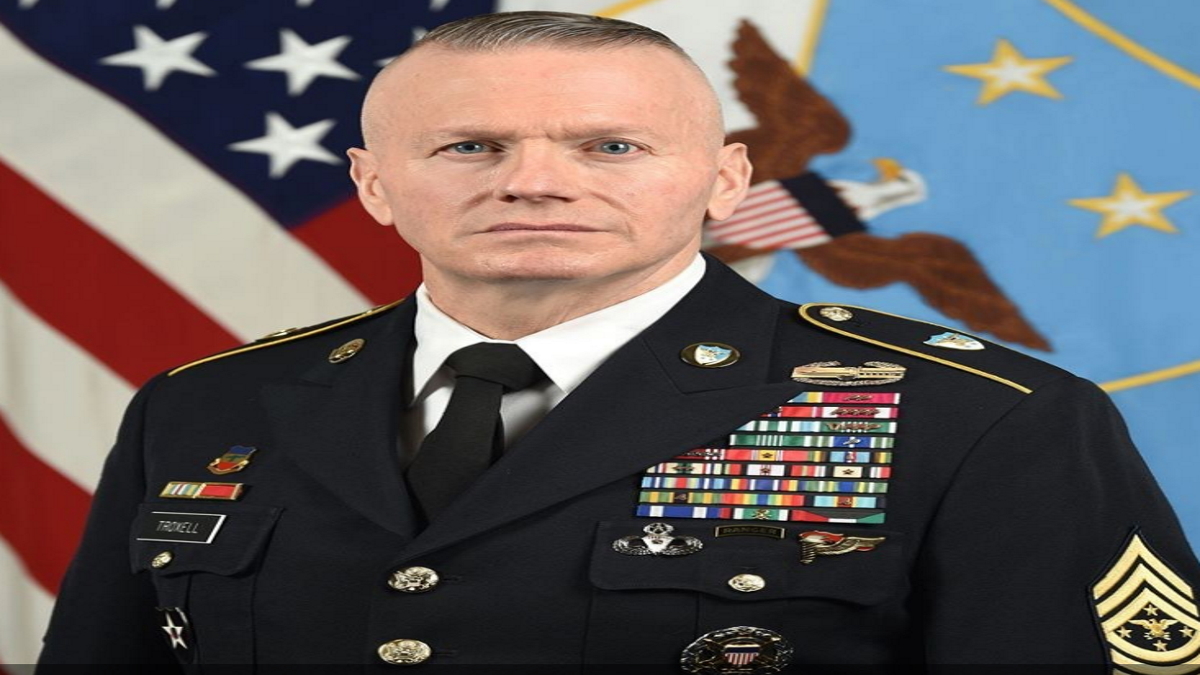
John Wayne Troxell, who for the past four years served as the Senior Enlisted Advisor to the Chairman of the Joint Chiefs of Staff (SEAC) and senior non-commissioned officer in the U.S. Armed Forces, will lead the FitOps strategic advisors board. FitOps helps veterans find purpose through fitness by training and certifying them as elite personal trainers at its camp in Arkansas.

“Even before COVID-19, too many veterans lost their reason for being, to serve others and struggled to transition to civilian life. Now the need is even greater,” John Wayne Troxell said. “Ending the veteran suicide epidemic is my new mission, and few organizations have had the impact FitOps has had in saving lives.”

In his new role, Troxell will help the foundation with its current efforts as veterans are acutely feeling the effects of the coronavirus. More than 1 million veterans filed for unemployment benefits in April, remote mental health appointments have skyrocketed, and reports warn that many industries that employ veterans could be more vulnerable to layoffs. An average of 20 veterans take their own lives each day, 1.5 times higher than the national average.

Troxell will also work to help FitOps reach service members who plan to separate from the military and equip them with training prior, so that when they hit the ground as a civilian, they are equipped to immediately serve their communities again, this time as personal trainers and coaches.

“We are very fortunate that SEAC Troxell has joined forces with us. As someone who gave 38 years of distinguished service and rose to the very top of the military, for him to make his next mission helping veterans find purpose again through fitness, sends a serious message,” FitOps Founder and veteran Matt Hesse said.

“I have witnessed firsthand the transformative power of knowing one’s purpose and using fitness to pursue it. Our mission is clear: We will not rest until we solve the veteran suicide epidemic.”

Before his retirement in December 2019, Troxell advised the Chairman of the Joint Chiefs of Staff and Secretary of Defense for four years on all matters involving joint and combined total force integration, utilization, health of the force and joint development for enlisted personnel. Troxell enlisted in the U.S. Army in 1982.

Since the COVID-19 pandemic began, FitOps has helped its graduates transition to virtual fitness sessions so they can still provide personal training sessions and classes to clients.

The FitOps Foundation was created in 2016 by Hesse and since has graduated hundreds of veterans with a current waitlist of 2,200. At the month-long camps, veterans learn exercise physiology and business skills to become Certified Veteran Fitness Operatives (CVFOs). After graduation, through partnerships across the country, FitOps helps their CVFOs get jobs in the fitness industry at clubs such as Performix House and 24 Hour Fitness. The graduate network extends as far as Alaska and Japan. CVFOs also receive counseling and transition assistance as they continue on their journey to civilian life from military service.

For more information on the FitOps Foundation, please visit www.fitops.org.

Contact: FitOps Communications Alexandra Hesse, ahesse@corrjensen.com /970 376 8155 

FitOps PR Newswire (May 2020) Top Enlisted Advisor to Joint Chiefs of Staff Chairman Joins Forces with FitOps

Death & Vehicle Fire Investigation- Harker Heights


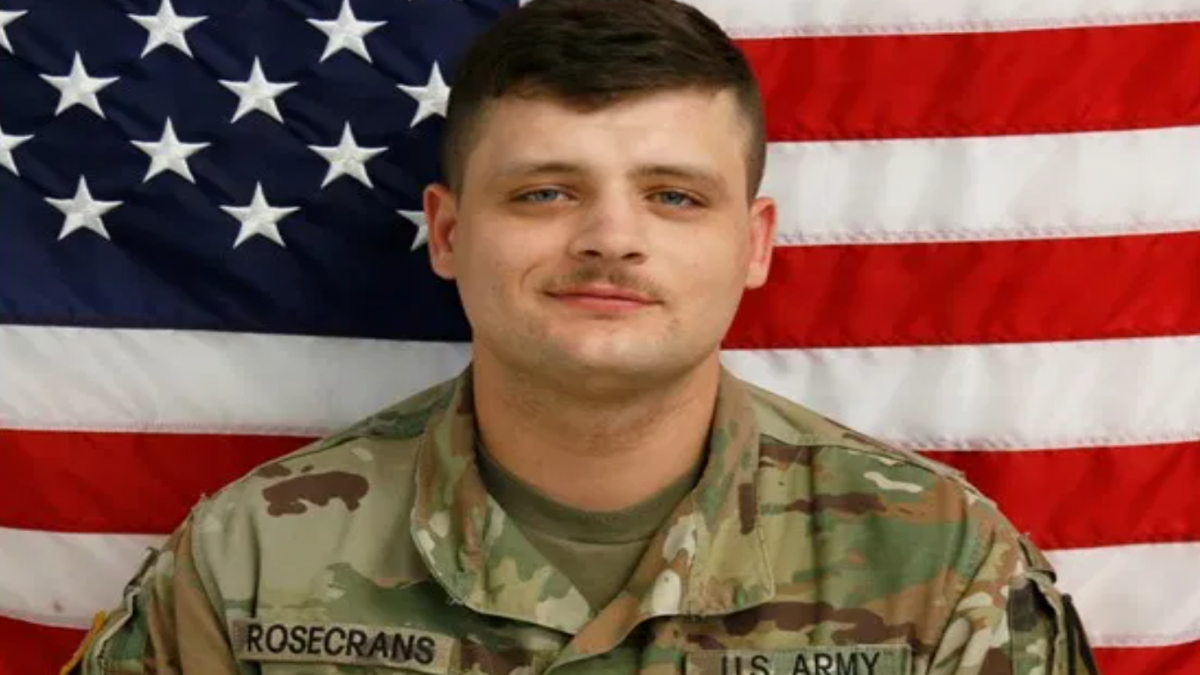
The Harker Heights Police Department has identified the victim of the death investigation as 27-year-old United States Army PFC Brandon Rosecrans, of Fort Hood, Texas.

Preliminary investigation suggests that Mr. Rosecrans died from a gunshot wound and his death is now being investigated as a murder.

“Command Sgt. Maj. Ryan McLane and I would like to express our deepest regrets to the family and loved ones of Pfc. Brandon Rosecrans. The thoughts and prayers of the Soldiers of 215th Brigade Support Battalion and the Greywolf Brigade are with them during this difficult time,” said Col. Kevin Capra, Commander, 3rd Armored Brigade Combat Team.

Private First Class Rosecrans of Kimberling City, Missouri, first enlisted in the United States Army in May 2018. He received Advanced Individual Training as a Quartermaster and Chemical Equipment Repairer (91J) before being assigned to his first duty station in November 2018 at Fort Hood with the 3rd Armored Brigade Combat Team, 1st Cavalry Division. Rosencrans is the recipient of the National Defense Service Medal and Army Service Ribbon.

The vehicle fire reported on May 18, 2020 is confirmed to belong to Mr. Rosecrans. The vehicle was a 2016 Jeep Renegade orange in color. The cause of the fire is still under investigation by the Harker Heights Fire Marshal.

The murder and arson investigation will run concurrently by the Harker Heights Police and Fire Departments.

The Harker Heights Police Criminal Investigation Division is asking anyone with information about this murder to contact them at 254-953-5400.

Individuals may also provide information to Crime Stoppers at 254-526-TIPS (8477) or go online at www.bellcountycrimestoppers.com. 

All information is confidential and anonymous and if your tip leads to the arrest of the person(s) responsible, you could be eligible to receive a reward up to $1,000 in cash.

Harker Heights Police Department (May 2020) UPDATE: Death & Vehicle Fire Investigation- Harker Heights

Operation Lemon Aid Spy Case 43 Years Ago


43 years ago, Operation Lemon Aid Spy Case was one of the FBI’s most important counter-espionage cases of the 1970s.

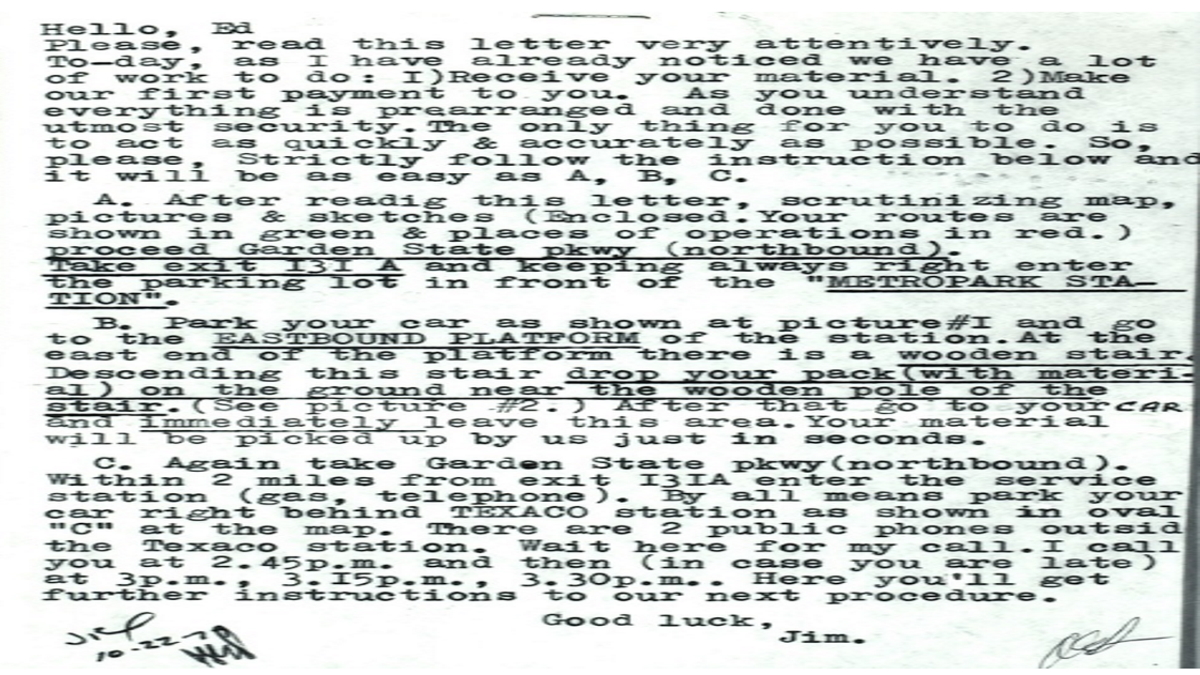
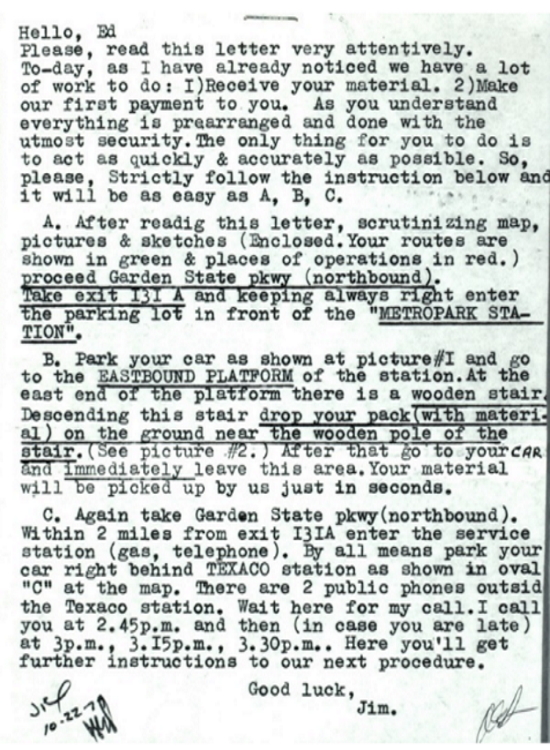
“Hello, Ed,” the note began. “Please, read this letter very attentively. To-day, as I have already noticed we have a lot of work to do: 1) Receive your material. 2) Make our first payment to you.” (see the full letter below). 

“Ed” was actually Art Lindberg—a lieutenant commander in the Navy and a double agent recruited by the Naval Investigative Service and the FBI in the spring of 1977. At the time, we suspected the Soviets were using their U.N. office as a front for espionage—specifically, to spy on U.S. Navy operations in New York and New Jersey.

Lindberg’s modest income, impending retirement, and information access made him a perfect candidate to fool the Soviets into believing he would sell secrets for cash.

It worked.

The letter was one of many communications sent by the Soviets to Lindberg, often in stilted English, after they took the bait in August 1977 until the following spring when we arrested two Soviet officials.

At the outset, FBI Headquarters dubbed the spy case “Operation Lemon-Aid.” The name had no meaning, but as the case developed, it seemed to fit more and more.

Why? Because as we tracked the steady stream of phone calls and letters between Lindberg and the Soviets, we learned quite a bit about Soviet spy craft in the ‘70s.

The Soviets repeatedly passed messages and money to Lindberg in the most ordinary, everyday items: magnetic key holders placed in phone booths, cigarette packs, soda cans, orange juice cartons, even a rubber hose from an appliance.

Most of the pre-arranged “dead drop” sites where the secrets were supposed to be passed (it was actually declassified information) were along the busy New Jersey Turnpike.

We moved in on May 20, 1978 when we felt we had enough information to make the arrests. We decided to set a trap—we gave Lindberg five canisters with actual classified materials so the Soviets would be caught red-handed.

Hiding inside the trunk of Lindberg’s car were two FBI agents, with many other agents waiting at the drop site on a back road. Lindberg approached the site, stopped the car, and picked up a can labeled “Ann Page Bartlett Pears,” as instructed by the Soviets.

He grabbed the can, dropped off the canisters, and drove off. Soon after, we arrested two covert KGB officers—Valdik Enger and Rudolf Chernyayev.

A third Soviet at the scene, Vladimir Zinyakin, had diplomatic immunity and was later expelled from the country.

In the end, it was one of our most important counter-espionage cases of the decade. Enger and Chernyayev were the first Soviet officials to ever stand trial for espionage in the U.S.

Both were convicted and ultimately exchanged for five Soviet dissidents.

The cat-and-mouse game between FBI and KGB agents would continue, but “Operation Lemon-Aid” gave us insights that helped our operations for years to come.

FBI.gov (May 2020) Operation Lemon Aid Spy Case