Space Force Officials, Spacecom, Discuss Planetary Defense and Astronaut Launch

It’s possible that one day an asteroid may threaten the Earth and the threat would need to be mitigated, possibly by the U.S. military.


It’s possible that one day an asteroid may threaten the Earth and the threat would need to be mitigated, possibly by the U.S. military. It’s a scenario considered in a paper titled “Whither Space Power?” co-authored by two Air Force officers in 2002.

“Should be found on a collision course, whose job should it be to divert the threat, and how?” wrote Air Force Maj. Gen. John Shaw — then a major — and his co-author, Air Force Brig. Gen. Simon Worden. “It is our view that an organization the people have placed their lives in the hands of for the past several centuries — the U.S. military — is best suited to provide protection from either natural or man-made threats.”

Today, Shaw is dual-hatted as commander of the Combined Force Space Component within U.S. Space Command, and also serves as commander of Space Operations Command within the newly created U.S. Space Force.

During a June 1 webinar sponsored by SpaceNews, he explained what “planetary defense” is.

“Planetary defense, as we talk about it in the space community today, refers to defense of the planet against asteroids, natural threats … that could potentially collide with the Earth with calamitous results,” Shaw said.

Shaw said today NASA has an office responsible for cataloging things within the solar system that potentially could threaten the Earth.

While he said that years ago he was on board with the idea that the Defense Department might be primarily responsible for dealing with those kinds of threats to the planet, today he has more of an open mind about how those threats might be mitigated.

“We’re happy to team with NASA in that regard,” he said. “If a small asteroid or meteorite did hit the Earth, there would be some sort of emergency management response on the part of our nation to support wherever that landed, and the Department of Defense would be happy to be a teammate in that regard.”

Shaw also discussed the May 30 launch of NASA astronauts Air Force Col. Robert L. Behnken and retired Marine Corps Col. Douglas G. Hurley into space from Kennedy Space Center in Florida as part of NASA’s Demo-2 mission.

An important part of that launch, he said, involved Defense Department personnel being ready to recover those astronauts if the mission failed and they had to return to Earth. The Defense Department has done the mission before — for the space shuttle, he noted, but it’s been a long time since recovery personnel have had to be ready to retrieve astronauts from a capsule such as the “Crew Dragon” craft that was used in the Demo-2 mission.

“We really [had] to go back to 1975 to remember when we were last supporting capsules for personal recovery operations,” he said. “And that’s a whole different profile in terms of mission planning and contingency scenarios than the shuttle.”

The space shuttle, he said, could maneuver and land at an airfield, if needed. Not so with a capsule.

“A capsule doesn’t have that maneuverability, but it has the possibility of landing just about anywhere, and it can land just about anywhere,” he said. “That means our ability to support that … has to be able to cover that total footprint, and that’s different.”

Air Force Lt. Col. Michael Thompson serves as commander of Detachment 3 of the 45th Space Wing’s 45th Operations Group. His detachment was responsible for being ready if anything went wrong with the Demo-2 mission and astronauts needed to be retrieved.

“The last two years have really been kind of the fourth quarter, getting ready for this,” he said. “We’ve been working with Boeing and SpaceX, especially SpaceX, over the last year as we finalized and put the finishing touches on the tactics, techniques and procedures for this rescue scenario.”

Thompson said his detachment is actually small — about 30 people. And for the last year that small team was preparing for the launch of the Demo-2 mission. When the launch approached, he said, “Task Force 45” stood up, and the team grew to about 150 personnel. That’s still much smaller than what was available in the 1970s for Apollo missions, he said, which included as many as 6,000 personnel, 24 aircraft and seven Navy ships.

“Today we posture, like I said, 150 members,” he said. They also have eight aircraft at their disposal, in three different locations.

“Over the last couple years, we’ve been putting those plans together,” he said. “We went through this last weekend. It went exactly as we had planned, where we were on alert … once the Merlin engines fired up. That’s really when our mission began.”

He said the team is ready for medical evacuation support three hours prior to liftoff, but it’s when the rocket fires up that they are really expected to be ready to go.

“It’s really exciting, you know, to see that the team of professionals here are some of the best,” Thompson said. “When we talk about combat search and rescue professionals worldwide, these are the men and women that we look to. The same pararescuemen that are saving lives in the combat theater in Iraq, have been in Afghanistan, doing global ops, those are the same pararescuemen that are here executing this mission.”

Air Force Brig. Gen. Douglas A. Schiess, commander of 45th Space Wing, said the May 30 launch involved weather issues up until about 30 minutes prior, and that there had also been issues with the Eastern Range that supports both Cape Canaveral and the Kennedy Space Center in Florida. Those issues, he said, had been cleared up by range technicians in time for successful launch, however.

“Once we got about four minutes to go, I knew we were going to be good,” Schiess said. “Then my activity really was focused on Task Force 45, where the men and women of Det. 3 and airmen across the Air Force came together, and across the world.”

Det. 3, he said, had been preparing for its mission for several years.

“This team, they are a bunch of rescue experts and they do an incredible job,” he said. “I can’t just say anymore how proud I am of the men and women of the 45th Space Wing, Det. 3, and the Task Force 45 for the efforts that we did over the last couple weeks, and specifically this weekend, all the way up to docking and then watching our two astronauts, Bob and Doug, go through the hatch into the International Space Station.”

Defense.gov (June 2020) Spacecom, Space Force Officials Discuss Planetary Defense, Astronaut Launch
CISA RELEASES NEW CYBER ESSENTIALS TOOLKIT

As a follow-up to the November 2019 release of Cyber Essentials, the Cybersecurity and Infrastructure Security Agency (CISA) released the first in a series of six Cyber Essentials Toolkits.


As a follow-up to the November 2019 release of Cyber Essentials, the Cybersecurity and Infrastructure Security Agency (CISA) released the first in a series of six Cyber Essentials Toolkits.

This is a starting point for small businesses and government agencies to understand and address cybersecurity risk as they do other risks. CISA’s toolkits will provide greater detail, insight and resources on each of the Cyber Essentials’ six “Essential Elements” of a Culture of Cyber Readiness.

Today’s launch highlights the first “Essential Element: Yourself, The Leader” and will be followed each month by a new toolkit to correspond with each of the six “Essential Elements.” Toolkit 1 focuses on the role of leadership in forging a culture of cyber readiness in their organization with an emphasis on strategy and investment.

“We thank all of our partners in government and the private sector who played an essential role in the development of CISA’s Cyber Essentials Toolkit,” said CISA Director Christopher Krebs. “We hope this toolkit, and the ones we are developing, fills gaps and provides executives the tools they need to raise the cybersecurity baseline of their teams and the organizations they lead.”

Developed in collaboration with small businesses and state and local governments, Cyber Essentials aims to equip smaller organizations that historically have not been a part of the national dialogue on cybersecurity with basic steps and resources to improve their cybersecurity.

Cyber Essentials includes two parts – guiding principles for leaders to develop a culture of security, and specific actions for leaders and their IT professionals to put that culture into action.

Each of the six Cyber Essentials includes a list of actionable items anyone can take to reduce cyber risks. These are: 

  • Drive cybersecurity strategy, investment, and culture; 
  • Develop heightened level of security awareness and vigilance; 
  • Protect critical assets and applications; 
  • Ensure only those who belong on your digital workplace have access; 
  • Make backups and avoid loss of info critical to operations; and 
  • Limit damage and restore normal operations quickly. 

To learn more about the Cyber Essentials Toolkits, visit www.cisa.gov/cyber-essentials.

CISA.gov (June 2020) CISA RELEASES NEW CYBER ESSENTIALS TOOLKIT

Tampa Man Charged with Attempting to Provide Material Support to ISIS


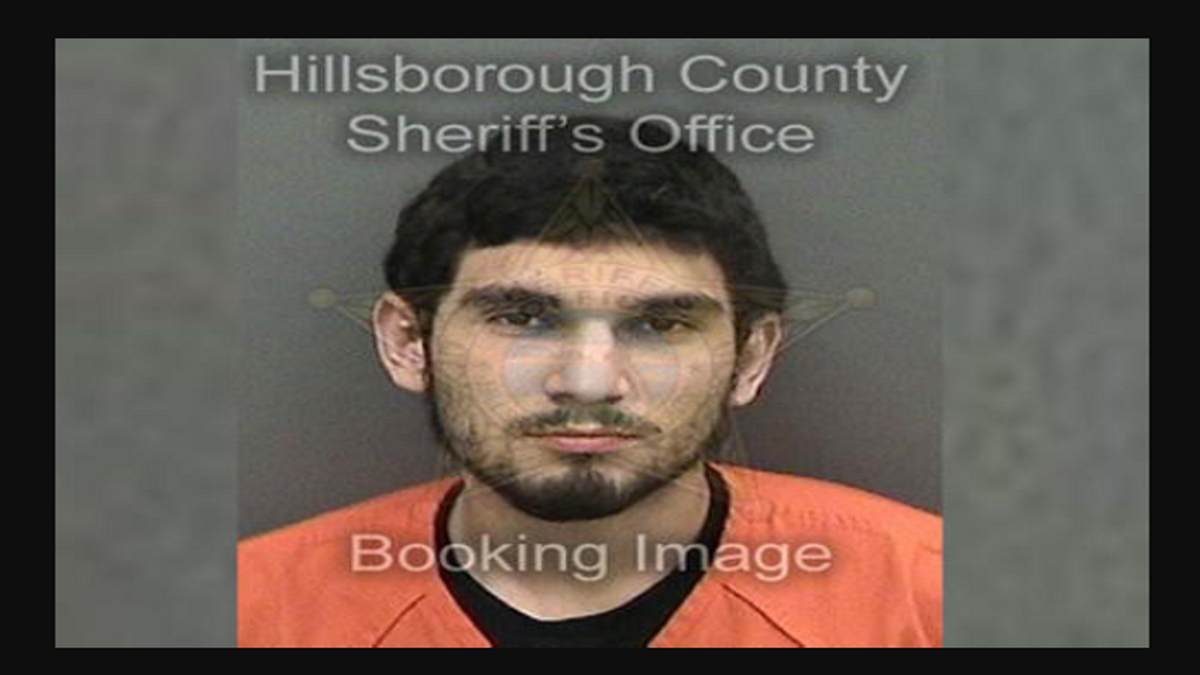
The Department of Justice on Wednesday announced the filing of a criminal complaint charging Muhammed Momtaz Al-Azhari, 23, of Tampa, Florida, with attempting to provide material support or resources to a designated foreign terrorist organization, namely, the Islamic State of Iraq and al-Sham (ISIS).  

If convicted, Al-Azhari faces a maximum penalty of 20 years in federal prison.

“We are grateful for the quick work of our partners at the FBI to apprehend Al-Azhari before he could carry out his attack,” said Assistant Attorney General for National Security John C. Demers.  “This case demonstrates the Department’s commitment to stand vigilant against the threat of terrorism and violent extremism in all its forms.” 

“We are grateful for the hard work and swift action by our law enforcement partners and concerned citizens during this investigation,” stated U.S. Attorney Maria Chapa Lopez for the Middle District of Florida.  “Their coordination and cooperation in this matter allowed us to interrupt a serious threat, without harm to anyone.”

“From Mr. Al-Azhari’s attempt to acquire firearms through unlawful channels to his desire to provide material support to a designated foreign terrorist organization, it was clear Mr. Al-Azhari’s intention was to carry out an act of violence,” said Assistant Director Jill Sanborn of the FBI’s Counter-terrorism Division.  “The FBI and the Joint Terrorism Task Forces across the country will continue to use all of their legal authorities to prevent a potential act of terrorism in the United States, and elsewhere.”

“The primary mission of the FBI is to protect the American public from a terrorist attack.  Today’s announcement of the arrest of Muhammed Momtaz Al-Azahari is proof we are committed to that pledge.  I commend the 18 federal, state, and local member agencies who comprise FBI Tampa’s Joint Terrorism Task Force (JTTF) for working day and night to prevent the loss of life in the Tampa Bay community,” said Special Agent in Charge of the FBI Tampa Division Michael F. McPherson.  “We were also fortunate to gain the cooperation of multiple citizens who willingly and bravely provided their assistance during this investigation.  This strong bond between law enforcement and the public allowed us to disrupt this threat.” 

According to the complaint, Al-Azhari was an ISIS supporter who planned and attempted to carry out an attack on behalf of that terrorist organization.  

Al-Azhari, who has a criminal history that includes prior terrorism charges in Saudi Arabia, attempted to purchase multiple firearms over the course of the investigation, before acquiring a Glock pistol and a silencer.

He also expressed admiration for Pulse nightclub shooter Omar Mateen and spoke of his desire to carry out a similar mass casualty shooting.  Additionally, Al-Azhari researched and scouted potential targets in the Tampa area, including Honeymoon Island.  

He also rehearsed portions of an attack and the statements that he would make during or in connection with such an attack.

FBI agents arrested Al-Azhari on May 24, 2020, after he took possession of weapons to be used in an attack.

A complaint is merely a formal charge that a defendant has committed one or more violations of federal criminal law, and every defendant is presumed innocent unless, and until, proven guilty.

This case was investigated by the FBI’s Joint Terrorism Task Force, including Homeland Security Investigations, the Tampa Police Department, the Pinellas County Sheriff’s Office, the Hillsborough County Sheriff’s Office, the Pasco Sheriff’s Office, the St. Petersburg Police Department, the Clearwater Police Department, and the Florida Department of Law Enforcement. It will be prosecuted by Assistant U.S. Attorney Patrick Scruggs with assistance from Trial Attorney Ranganath Mathripragada of the National Security Division’s Counter-terrorism Section.

Justice.gov (May 2020) Tampa Man Charged with Attempting to Provide Material Support to ISIS

Billion-Dollar Secrets Stolen

Tan’s theft of a trade secret—one worth an estimated $1 billion—is an example of what the FBI says is a systematic campaign by the Chinese government to gain economic advantage by stealing the innovative work of U.S. companies and facilities.


Scientist Sentenced for Theft of Trade Secrets

When scientist Hongjin Tan resigned from the Oklahoma petroleum company he’d worked at for 18 months, he told his superiors that he planned to return to China to care for his aging parents.

He also reported that he hadn’t arranged his next job, so the company agreed to let him to stay in his role until his departure date in December 2018.

But Tan told a colleague a different story over dinner.

That conversation prompted Tan’s employer to ask him to leave the firm immediately—and then his employer made a call to the FBI tip line to report a possible crime. The resulting investigation led to Tan’s guilty plea and 24-month prison sentence for stealing proprietary information that belonged to his company.

Tan’s theft of a trade secret—one worth an estimated $1 billion—is an example of what the FBI says is a systematic campaign by the Chinese government to gain economic advantage by stealing the innovative work of U.S. companies and facilities.

Tan had lived in the United States since 2012 and was a legal permanent resident. He earned his Ph.D. at an American university and had worked for a number of firms in California before making his way to the energy company in Oklahoma.

One of that firm’s most innovative products was a battery technology that employees had spent decades researching and developing. The technology also has a secondary, and perhaps even more valuable, use in melting metal.

When Tan revealed to his colleague that he actually did have a job waiting for him in China with Xiamen Tungsten, Tan’s dinner companion reported the conversation to his supervisor—who grew alarmed after researching the company. Xiamen Tungsten is a Chinese firm that smelts, processes, and distributes metal products and also supplies battery materials.

“If you got your hands on this information, you would be decades ahead of where you would have started out on this technology,” said Rebecca Day, Special Agent, FBI Oklahoma City

With this new information, the company immediately dismissed Tan from his responsibilities. Because they were now concerned about his motives, the company also began to look back at the documents and systems he had accessed while employed there.

While this review was going on, Tan called his supervisor to tell them he had a thumb drive with company documents on it. “He said he was hoping to read them to continue his research work,” said FBI Special Agent Jeremy Sykes, who worked on the case out of our Oklahoma City Field Office. “The company told him he needed to return the thumb drive.”

The company had already found Tan had been accessing sensitive documents that dealt with this innovative technology but did not directly relate to Tan’s work for the firm.

FBI agents said he began accessing these sensitive files around the time he applied to China’s Thousand Talents Program.

U.S. intelligence agencies have found that, through this program, China provides financial incentives and other privileges to participants who are willing to send back the research and technology knowledge they can access while working in the United States.

Tan also called up the documents around the times he made trips to China, and he accessed them for a final time on the day before he resigned.

“When he brought back the thumb drive, the firm looked at the slack space on the drive and found several files had been erased,” said Sykes. “The deleted files were the files the company was most concerned about.”

The company worked closely with the FBI to help them investigate the case and identify the company files Tan had stored at his home. Gaining this information allowed agents to get an arrest warrant for Tan.

“If you got your hands on this information, you would be decades ahead of where you would have started out on this technology,” said Special Agent Rebecca Day of FBI Oklahoma City’s Tulsa Resident Agency. “We won’t tolerate people who come into the United States to steal for the betterment of a foreign government or foreign company.”

At a recent conference in Boston, FBI Director Christopher Wray addressed this disquieting threat: “We see Chinese companies stealing American intellectual property to avoid the hard slog of innovation and then using it to compete against the very American companies they victimized—in effect, cheating twice over.”

“The deleted files were the files the company was most concerned about.”-Jeremy Sykes, special agent, FBI Oklahoma City

FBI Oklahoma City Special Agent Quincy Barnett said that there are a number of things companies can do to protect their products, research, and innovations, and that the FBI is eager to develop relationships with firms. “If we reach out,” he said, “it’s not a negative. We may have identified opportunities to engage.”

The Bureau can provide briefings to executives and employees on insider threats, share precautions workers should take when they travel to certain countries, help IT staff assess how to compartmentalize system and file access, and remind firms to put nondisclosure agreements in place to ensure employees agree not to share certain information.

In this case, the firm’s willingness to report the suspected crime so quickly made the difference in being able to hold Tan accountable. “We were on the phone with the company on December 13,” Sykes said. “We knew Tan was flying out of the country on December 29.”

Barnett said the FBI has seen that some companies resist reporting because they fear it will harm their stock price or be seen as a negative among shareholders.

“Companies can bring this information to the FBI, and we can work through those fears and hesitations,” said Barnett. “We are trying to send a message that this won’t be tolerated, but we have to find out about it first.”

The case against Tan not only resulted in two years of prison time but also, with support from Homeland Security Investigations, the loss of his residency status. Tan will be deported when he is released, which is a strong indicator of just how seriously the U.S. is taking these types of criminal violations.

To learn more about how the FBI can partner with you to protect your business or company, visit the Office of Private Sector website.

To provide a tip on any suspected crime, visit tips.fbi.gov.

FBI.gov (May 2020) Billion-Dollar Secrets Stolen

Weekly Update: DHS Response to COVID-19


For months, the Department of Homeland Security (DHS) has taken on the challenges presented by COVID-19.

Thanks to our workforce’s efforts across its components DHS has facilitated a speedy, whole-of-government response to mitigate the spread of COVID-19.

As the nation prepares to reopen the economy the Department and its components continue to ensure a safe, secure, and prosperous Homeland for the American people.

“The Secret Service is steadfastly working with our state, local and federal law enforcement partners to protect the public and the nation’s financial infrastructure, especially the healthcare and medical sector, from criminals exploiting the Global Pandemic to commit cyber enabled financial crimes,” said Secret Service Director James Murray. “The Secret Service strongly encourages caution when considering Coronavirus relief or response solicitations requesting financial information, social security numbers, date of birth, or other personal identification information via the internet, text or SMS messaging.”

Below is a list of some of DHS’s efforts against COVID-19 last week:

United States Secret Service (USSS)

Protecting The American People From Related Scams. On May 21st, Secret Service released a Smishing Public Service Announcement via Secret Service social media platforms in response to an increase in COVID- 19 related scams. Smishing is a form of phishing via text or SMS messaging and has been used to defraud individuals by asking for donations related to Coronavirus.

Countering Weapons of Mass Destruction (CWMD)

Enhanced Screenings at Airports. CWMD contract personnel are continuing to support the Centers for Disease Control and Prevention (CDC) with enhanced screenings for travelers through 13 specially designated airports. As of May 23rd, CWMD has processed more than 304,319 travelers for enhanced screening, including 1,523 who were referred to CDC for further medical evaluation.

Federal Emergency Management Agency (FEMA)

Delivering Life Saving PPE. As of May 22nd, FEMA, HHS, and the private sector combined have coordinated the delivery of or are currently shipping: 84.4 million N95 respirators, 144.2 million surgical masks, 12.0 million face shields, 28.9 million surgical gowns, over 1 billion gloves, 10,708 ventilators and 8,450 federal medical station beds.

Remaining Ready for the Hurricane Season. On May 20th, to address the challenges of managing disaster response and recovery efforts during this year’s hurricane season, FEMA released the “COVID-19 Pandemic Operational Guidance for the 2020 Hurricane Season” to help emergency managers and public health officials best prepare for disasters, while continuing to respond to and recover from coronavirus (COVID-19). The guidance can also be used by private sector and non-governmental organizations to gain an understanding of the government’s posture, planning and readiness efforts.

Coordinating Air Flights to Address Medical Supply Shortages. Since March 29th, through Project Air-Bridge, FEMA continues to expedite the movement of critical, life-saving supplies by utilizing its partnership with the private sector. As of May 22nd, there has been a total of 166 flights with an additional 56 scheduled or in transit for a total of approximately 222 flights.

Office of Operations Coordination (OPS)

Ensuring Situational Awareness. The DHS Crisis Action Team (CAT) continues to work 24/7 solely on Departmental COVID-19 response, managing information, and situational awareness. The CAT supports the Department’s efforts to share information internally and externally during the pandemic. Between May 17th and 23rd, the CAT team produced more than thirty COVID-19-related reports covering Departmental actions and impacts on the DHS workforce.

Science and Technology (S&T)

Driving Evidence-Based Policymaking. On May 21st, S&T updated its Master Question List (MQL), a compilation of available research on operationally-relevant questions to aid decision makers in the COVID-19 response. The MQL is a quick-reference guide covering what is known about the virus, what additional information is needed, and who may be working to address these fundamental questions. New entries include references to work showing polymerase chain reaction (PCR) screening may be ineffective early on in recently exposed individuals, and African green monkeys develop symptoms consistent with severe human disease when exposed to 500,000 plaque-forming units (PFUs) of SARS-CoV-2, the virus that causes COVID-19.

Delivering Actionable Information Through Applied Research. On May 20thS&T’s National Biodefense Analysis and Countermeasures Center (NBACC) published a study in the Journal of Infectious Diseases titled “Simulated Sunlight Rapidly Inactivates SARS-CoV-2 on Surfaces.” SARS-CoV-2 is the coronavirus that causes COVID-19. This research provides the first evidence that sunlight may rapidly inactivate SARS-CoV-2 on surfaces. Findings in this research inform our understanding of the virus and help shape the operational response to COVID-19.

Sharing Decontamination Best Practices. On May 19th, S&Ts COVID-19 Response Team released a Reference Guide for Operating in Environments where SARS-CoV-2 may be Present, which serves as a knowledge repository of actionable information for those operating within environments where there is risk of exposure. This guide features a comprehensive overview of material and example products intended to assist the Department with developing component-specific Concept of Operations (CONOPS) plans tailored to their unique operational considerations. Decontamination is an important aspect of reducing risk, and must be coupled with effective screening and detection, effective PPE use, and adequate testing.

Transportation Security Administration (TSA)

Keeping Americans Safe While Ensuring Continuity of U.S. Travel and Commerce. TSA continues to follow CDC guidance to protect Americans, its workers and the nation’s transportation system, in support of air travel and all other modes of transportation. Between May 17 and May 23, TSA screened more than 1,839,139 passengers, who have all reached their destinations safely.

Ready To Ensure Safety During The Summer Travel Period. On May 21st, TSA issued a press release announcing updated security procedures for summer travelers. The agency begun to implement changes to the security screening process to reduce the potential for cross-contamination at the security checkpoint in an effort to help prevent the spread of COVID-19. As procedure changes begin to rollout in the coming weeks, travelers should expect to see some changes at the airport checkpoint including, the need keep hold of their boarding passes, separating food containers for X-ray screening, and social distancing.

United States Coast Guard (USCG)

Monitoring Vessels that Pose a Risk to Public Health. The Coast Guard continues to monitor the presence of multiple ships anchored in U.S. territorial waters to ensure they observe the 14-day minimum wait time required by President Trump’s EO before docking at a U.S. port to help reduce the spread of foreign-originating COVID-19. As of May 21, the Coast Guard is tracking more than 82 cruise ships anchored, moored, or underway in U.S. waters, carrying approximately 47,900 crew members from various countries.

U.S. Immigration and Customs Enforcement (ICE)

Keeping the public safety from COVID-19-related fraud. ICE’s Operation Stolen Promise (OSP) targets fraudulent activity stemming from the pandemic. The initiative combines HSI’s expertise in global trade investigations, financial fraud, and cyber investigations with robust private and public partnerships to disrupt and dismantle this criminal activity and strengthen global supply-chain security. Through May 22, as part of OSP, the agency has made 18 criminal arrests, analyzed 31,058 COVID-19-related domains, seized more than $3.5 million in illicit proceeds, disrupted 35 instances of illicit activity, sent 733 leads to domestic and international field offices, executed 37 search warrants and made 597 COVID-19-related seizures to include prohibited test kits and pharmaceuticals, counterfeit masks and more.

Cyber Security and Infrastructure Security Agency (CISA)

Keeping Our Critical Infrastructure Safe Criminal Fraud. On May 21st, CISA along with the Department of the Treasury, Internal Revenue Service (IRS), and United States Secret Service (USSS) issued a joint alert warning Americans to be on the lookout for criminal fraud related to economic impact payments—particularly fraud using Coronavirus lures to steal personal and financial information, as well as the economic impact payments themselves—and for adversaries seeking to disrupt payment efforts. The alert contains several resources to help defend, mitigate, and report suspicious cyber activity, especially emails that could be an attempted phishing attack.

Customs and Border Protection (CBP)

Getting American Citizens Home Safe. As of May 22, CBP has assisted State Department in repatriating 93,930 U.S. citizens on 1,001 flights from 138 countries. An additional 69 repatriation flights are scheduled to occur.

DHS.gov (May 2020) Weekly Update: DHS Response to COVID-19