The United States Commission on International Religious Freedom (USCIRF) 2020 report has once again put China as one of the top three countries of “particular concern.”
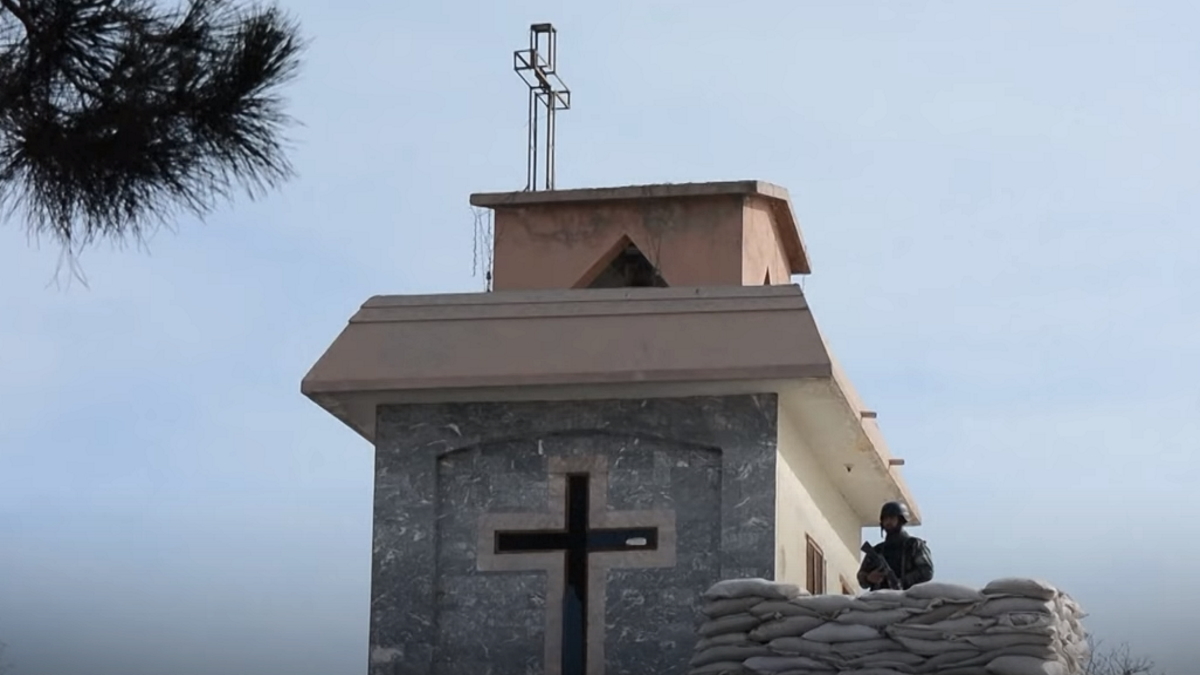
According to UCA News, Chinese Christian leaders echo that the space for religious freedom has severely shrunk in the past two decades, with the communist regime implementing a series of policies aiming to eradicate religion from society.
They also stressed that religious oppression in China is more severe than what is reported.
In provinces all over China, Christian schools, teachers, and business owners are forced to sign documents to reject their religion, or the government will retrieve their pensions. Local authorities had raided or seized hundreds of Christian house churches.
Cross removal continues to take place despite these churches’ official affiliation.
The Chinese Communist Party (CCP) has also charged pastors with subversion of state power, although such sentencing is unconstitutional according to their own laws.
Many Catholic dioceses have been harassed by authorities, clergy are jailed for refusing to join the state-approved Catholic Church. There are also reports that CCP officials are offering cash rewards to incentivize spying and reporting on underground house churches.
While China denies these allegations, Father Thomas Wang told UCA News that China has never responded well to religious persecution accusations, the government either avoids them or evades the question altogether and accuses others of interfering with internal issues.
Maria Li in Guangdong also said China is no longer worried about international pressure and condemnation, as they have bribed small countries and organizations to defend China.
However, she hopes that the international community will not overlook China’s violations on religious freedom and human rights. “If more countries unite and put pressure on China, authorities will desist from blatant oppression, which will help the Church to breathe,” she said.
For interviews, please contact Olivia Miller, Communications at Coordinator: press@persecution.org
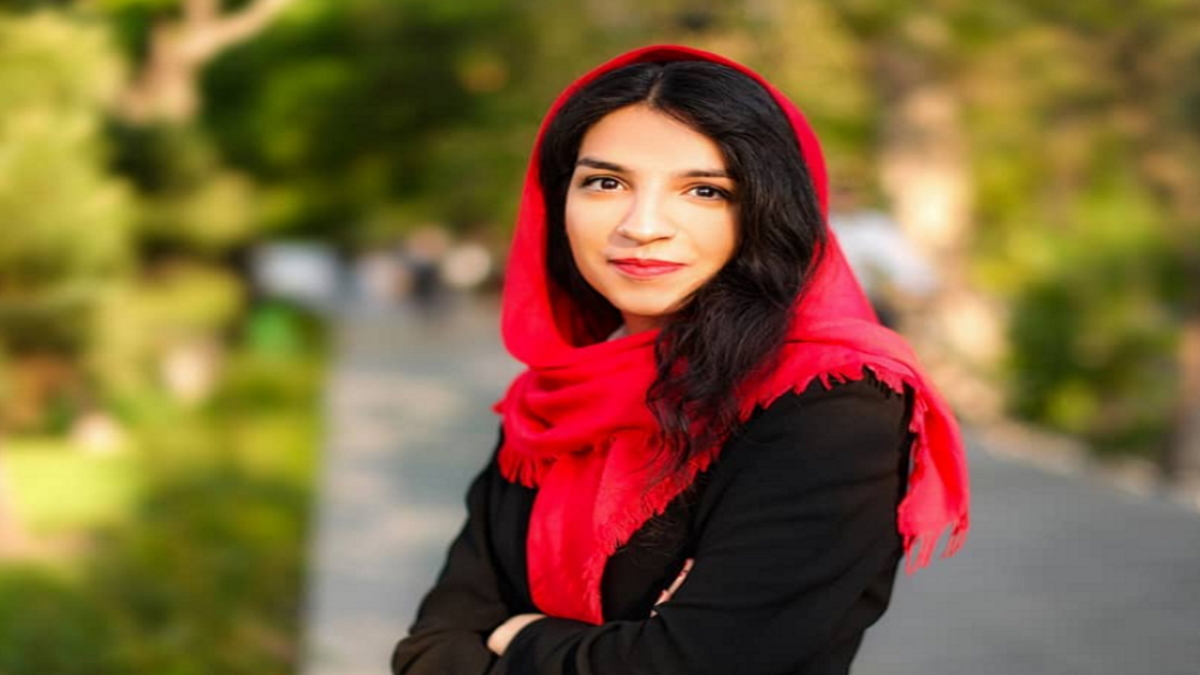
International Christian Concern (ICC) has learned that on April 21, 2020, Christian human rights activist Mary Fatima Mohammadi received a suspended prison sentence of three months by the Iranian government.
The sentence included a directive ordering Mary to receive a flogging of 10 lashes.
Mary has come under significant pressure from the Iranian authorities over the years because of her Christian human rights activism. In the latest incident, she was arrested because she was present in the area of a protest where Iranians had rallied regarding the government’s downing of Ukrainian Airline Flight 752. The issue of the government’s complicity in targeting the passenger flight remains highly sensitive in Iran. Mary further explained this connection on Instagram, saying that her sentence is a consequence of “protesting against the slaughter of human beings; because of showing sympathy for the families of those who perished on the Ukraine airline crash; because of defending the rights of all humans.”
After her arrest, Mary disappeared for nearly a month before she was discovered in Qarchak Women’s Prison, a jail with a reputation for various types of gender abuse. While there, Mary reported that she was beaten and suffered other kinds of mistreatment at the hands of the officials, including being strip-searched twice. She was eventually released on a bail of 30 million tomans ($2,250 USD) and charged with “disrupting public order by participating in an illegal rally.”
Her court hearing was initially delayed because of COVID-19, but took place on April 17. Iran’s Human Rights Activist News Agency (HANA) reports that during the hearing, the judge repeatedly questioned Mary about her conversion to Christianity. Her case was heard in Branch 6 of the 33rd District Court of Evin before being transferred to Branch 1167 of the Tehran Provincial Criminal Court (Quds Judicial Complex).
Following her sentencing, Mary tweeted: “There is no evidence against me, so I ought to have been acquitted. But instead I was sentenced not only to imprisonment, but also flogging. It should be mentioned that even before the verdict was handed down, I was forced to endure all kinds of torture, none of which was sanctioned by law, and which ought to be considered crimes in themselves. We have refrained from appealing against the verdict because the appeal courts have turned into confirmation courts! I am proud of sympathizing with human beings in the real harsh environment of the streets. This is my conviction and the cost.”
Iran has not publicly sentenced a Christian to a flogging for nearly two years, although persecution has increased during that interim. Because of COVID-19, Iran has evaluated the situation of its thousands of political prisoners. Many Christians were not included in this evaluation, although some were temporarily furloughed and three had their prison sentences canceled. Many political prisoners have complained that during this time of COVID-19, judges are absent, the authorities fail to provide health updates of prisoners to families, and officials have not clarified how furloughed prisoners will be reincorporated into the prison system following COVID-19.
Claire Evans, ICC’s Regional Manager for the Middle East, said, “We must not let the number of political prisoners furloughed in Iran because of COVID-19 confuse the issue that Iran has always been one of the top human rights violators in the world. The authorities have made it clear, time and time again, that they do not value their citizens and that they will not tolerate freedom of conscience. The sentencing of Mary Mohammadi is alarming, but unfortunately, not surprising Iran’s government does not want human rights activism, and they do not want Christians exercising their voice publicly. Mary Mohammadi is an example of courage and bravery to us all. We must continue calling on Iran to respect human rights and allow its citizens to voice their convictions of conscience.”
For interviews, please contact Olivia Miller, Communications Coordinator: press@persecution.org.
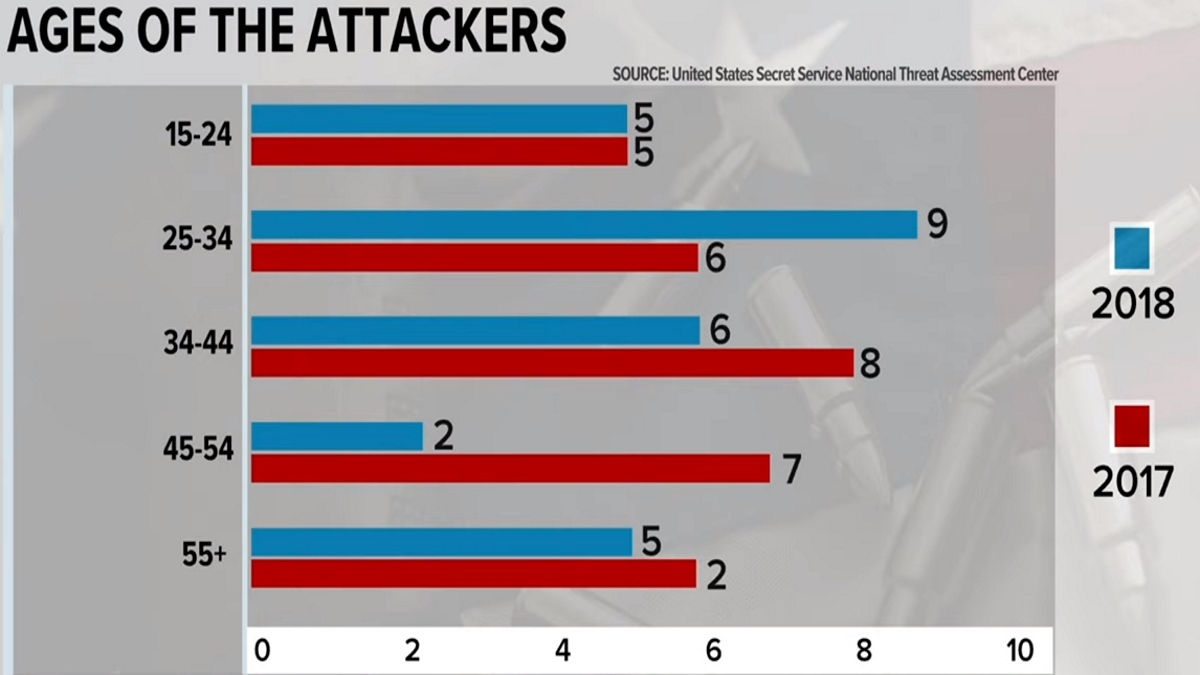
On Tuesday, the Department of Homeland Security (DHS) announced that they are making $10 million available to help local communities more effectively combat terrorism and targeted violence across the United States.
The $10 million appropriated by Congress under the Fiscal Year 2020 Targeted Violence and Terrorism Prevention (TVTP) Grant Program will support the development of a nationwide terrorism and targeted violence prevention framework.
DHS strongly encourages all eligible entities to apply for this funding opportunity to build capabilities in their communities and online.
“Attacks by domestic terrorists, those inspired by foreign terrorist organizations, and acts committed by violent individuals with no clear ideological motivation have occurred in communities across America with tragic outcomes,” said Acting Secretary of Homeland Security Chad F. Wolf. “These grants will improve local communities’ ability to prevent individuals from mobilizing or radicalizing to violence and create locally-based prevention frameworks to address these emerging threats.”
The TVTP Grant Program helps DHS to fulfill its commitment to addressing the threat posed by terrorism and targeted violence at home and builds on the promising practices identified in previous grant programs.
It is the only federal grant program dedicated to enhancing prevention capabilities in local communities. In its first year, the TVTP Grant Program has three priorities: (1) establishing and enhancing local prevention frameworks with an emphasis on threat assessment and management capabilities; (2) preventing domestic terrorism; and (3) finding innovative solutions for preventing targeted violence and terrorism.
“I want to thank Congress for funding for this mission in a bipartisan way over the last few years, most recently and most significantly, in the Fiscal Year 2020 Appropriations Act. We look forward to working with Congress to continue to advance this effort.” Wolf continued.
Eligible activities under the TVTP Grant Program cover all aspects of prevention, including building resilience, intervention, recidivism prevention, and reintegration programs at the local level. The program directly supports the objectives of the DHS Strategic Framework for Countering Terrorism and Targeted Violence, which DHS released in September 2019. Making these funds available for local prevention partners is a key milestone in the implementation of the Strategic Framework.
TVTP Grant Program funds will support the development of local prevention capabilities at a time when DHS is observing an uptick in online efforts for terrorism recruitment and radicalization from a variety of sectors.
DHS is committed to expanding the program and the President has requested an additional $20 million for TVTP grant funds next fiscal year.
The application period will close on May 29, 2020. Applicants should consult the Notice of Funding Opportunity for more specific information about the process. Applying for this grant is a multi-step process and it is recommended that applicants begin that process early in order to allow sufficient time to complete the interim steps.
Retired FBI Agent reflects on tragic day and how it shaped the Bureau
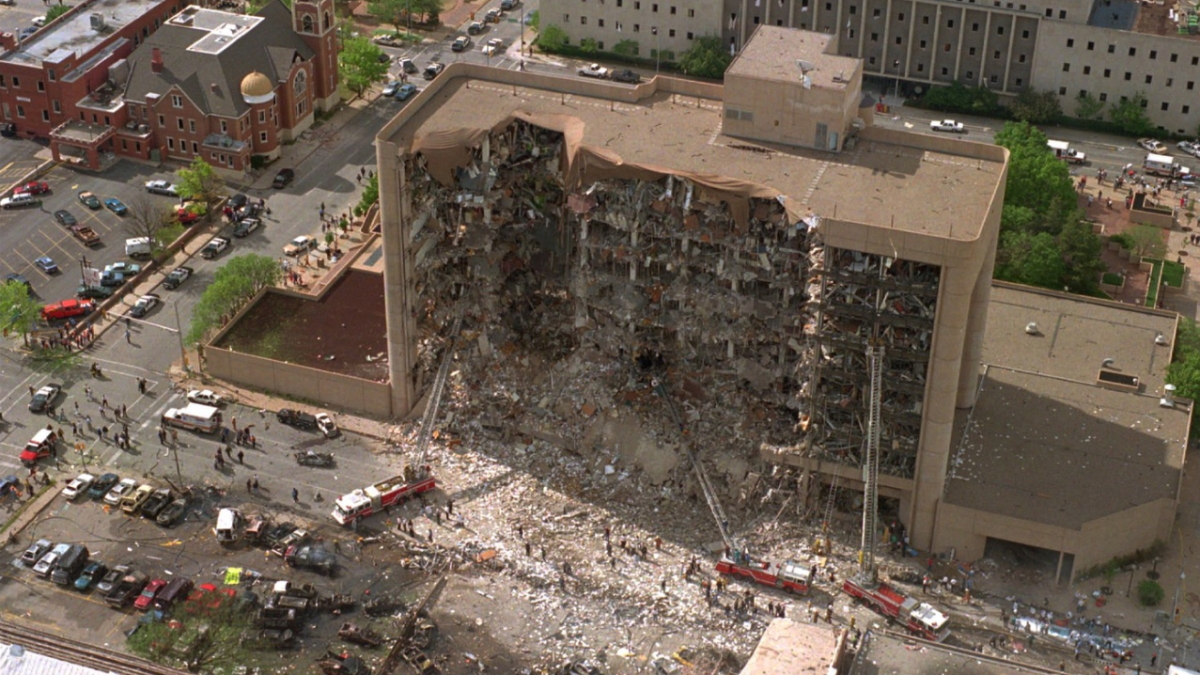
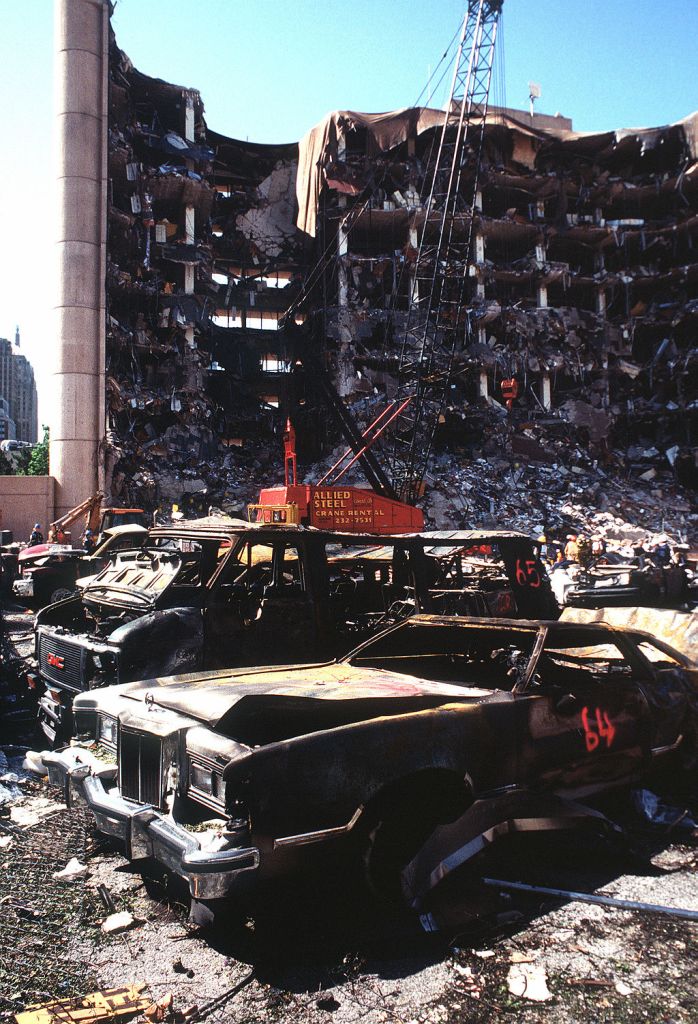
On the morning of April 19, 1995, FBI Special Agent Barry Black was tracking a white-collar fugitive a few miles from downtown Oklahoma City when he heard a loud blast in the distance.
Soon after, Black was pulled from his fugitive case to begin working the massive investigation of the deadly bombing that took the lives of 168 people, including 19 children, at the Alfred P. Murrah Federal Building.
The efforts of Black and scores of federal, state, and local investigators led to the convictions of Timothy McVeigh and his co-conspirators, Terry Nichols and Michael Fortier, in one of the worst homegrown terrorism cases in the nation’s history.
“It was a group effort. I was there doing my part just like everyone else,” said Black, who recently retired from the FBI.
Oklahoma City Bombing Investigation at a Glance
Twenty-five years ago, the Oklahoma City bombing investigators:
Conducted more than 28,000 interviews
Followed more than 43,000 investigative leads
Collected more than 3 tons of evidence
Searched more than 13.2 million hotel registration records
Reviewed more than 3.1 million truck rental records
Searched more than 682,000 airline reservation records.
The event shaped the FBI’s approach to investigating terrorism.
More than 1,400 investigators, including Black, uncovered more than three tons of evidence.
After the bombing, one of Black’s responsibilities was tracking items from the point of collection to the FBI Laboratory, where they were examined and logged. This was 25 years ago, and the technology available at the time played a major factor in how the evidence was collected and managed.
“Managing the sheer volume of information was a real undertaking,” said Black. “Before we had digital photography, this investigation incorporated 238,000 wet film photographs. When you remembered seeing something, you had to be able to find it.”
One of the crucial pieces of evidence that Black found early in the investigation was a badly damaged rear axle. He jotted down the vehicle identification number (VIN), which was used to trace the part to the Ryder rental truck used to detonate the bomb.
Employees at the shop where the truck was rented helped the FBI put together the composite drawing of McVeigh, who had used an alias during that transaction.
“You look at the Boston [Marathon] bombing and how that information was publicized. In that case, we had digital images as people of interest,” said Black. “That technology didn’t exist in 1995. We relied on a sketch that generated thousands of leads and interviews.”
Local hotel employees recognized the man in the composite sketch as one of their guests—and here, McVeigh had checked in using his real name.
Piecing it all together led to the charges that ultimately resulted in McVeigh’s conviction and execution, a life sentence for Nichols, and 12 years in prison for Fortier.
The Oklahoma City bombing introduced a frightening new concept for the United States: homegrown terrorism. Until the 1993 World Trade Center bombing, the country hadn’t witnessed an event of this magnitude, let alone one carried out by American citizens.
After the bombing, the FBI began shifting its priorities.
The number of Joint Terrorism Task Forces nationwide expanded, as did the training programs at the Hazardous Devices School, to increase partnerships between the FBI and other federal, state, and local law enforcement agencies.
Not only did the FBI start providing law enforcement bomb techs with clearances to share equipment and information with them, we also focused on ramping up our investigative technology and getting more specialized equipment for the field.
“We’ve taken the lessons learned from these unfortunate events to ensure that our response is more rapid in the field,” Black said.
Since his retirement from the FBI in 2019, Black has continued to share the story of his involvement with the bombing case and task force. Along with national speaking engagements with military organizations and law enforcement agencies, Black leads tours with the Oklahoma City National Memorial & Museum’s First Person: Stories of Hope program.
Several items collected by FBI investigators during the case are on display at the museum. Black has also donated his own equipment and artifacts, such as the hard hat he wore, his FBI field jacket, and the note with the VIN he wrote down from the truck’s rear axle.
Built on the former site of the Murrah Building, the museum honors victims, survivors, and first responders affected by the bombing.
“The memorial is a unique place,” said Black. “A lot of the displays, which still belong to the FBI, are available for the public to see. We’ve partnered with this facility to make sure what happened here is remembered.”
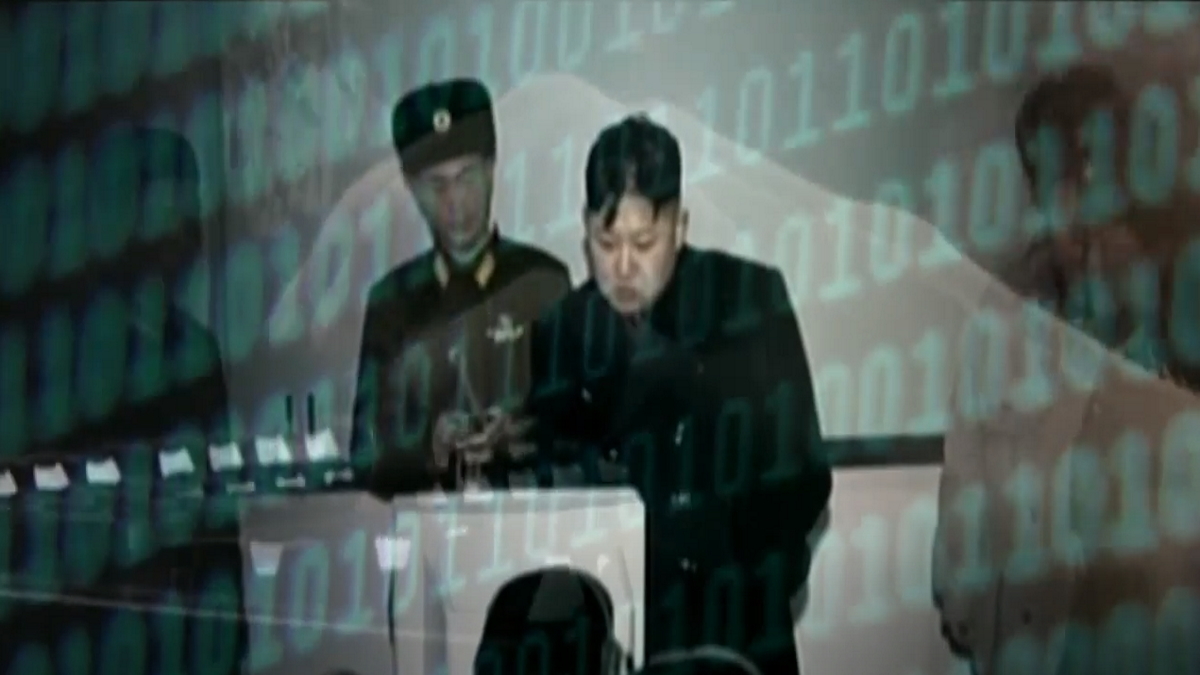
On Wednesday, April 15, the U.S. Departments of State, Homeland Security, and Treasury, and the Federal Bureau of Investigation issued an advisory to raise the awareness of the cyber threat posed by North Korea.
On Wednesday, April 15, the U.S. Departments of State, Homeland Security, and Treasury, and the Federal Bureau of Investigation issued an advisory to raise the awareness of the cyber threat posed by North Korea.
The advisory highlights North Korea’s malicious cyber activities around the world, identifies U.S. government resources that provide technical and threat information, and includes recommended measures to counter the cyber threat.
North Korea’s malicious cyber activities threaten the United States and countries around the world and, in particular, pose a significant threat to the integrity and stability of the international financial system. The United States works closely with like-minded countries to focus attention on and condemn disruptive, destructive, or otherwise destabilizing behavior in cyberspace.
It is vital for foreign governments, network defenders, and the public to stay vigilant and to work together to mitigate the cyber threat posed by North Korea.
The DPRK’s malicious cyber activities threaten the United States and the broader international community and, in particular, pose a significant threat to the integrity and stability of the international financial system. Under the pressure of robust U.S. and UN sanctions, the DPRK has increasingly relied on illicit activities – including cybercrime – to generate revenue for its weapons of mass destruction and ballistic missile programs.
In particular, the United States is deeply concerned about North Korea’s malicious cyber activities, which the U.S. government refers to as HIDDEN COBRA. The DPRK has the capability to conduct disruptive or destructive cyber activities affecting U.S. critical infrastructure. The DPRK also uses cyber capabilities to steal from financial institutions, and has demonstrated a pattern of disruptive and harmful cyber activity that is wholly inconsistent with the growing international consensus on what constitutes responsible State behavior in cyberspace.
The United States works closely with like-minded countries to focus attention on and condemn the DPRK’s disruptive, destructive, or otherwise destabilizing behavior in cyberspace. For example, in December 2017, Australia, Canada, New Zealand, the United States, and the United Kingdom publicly attributed the WannaCry 2.0 ransomware attack to the DPRK and denounced the DPRK’s harmful and irresponsible cyber activity. Denmark and Japan issued supporting statements for the joint denunciation of the destructive WannaCry 2.0 ransomware attack, which affected hundreds of thousands of computers around the world in May 2017.
It is vital for the international community, network defenders, and the public to stay vigilant and to work together to mitigate the cyber threat posed by North Korea.

 Law Enforcement, Military, and Terrorism News