U.S. Navy Attack Submarine USS Delaware Joins the Fleet


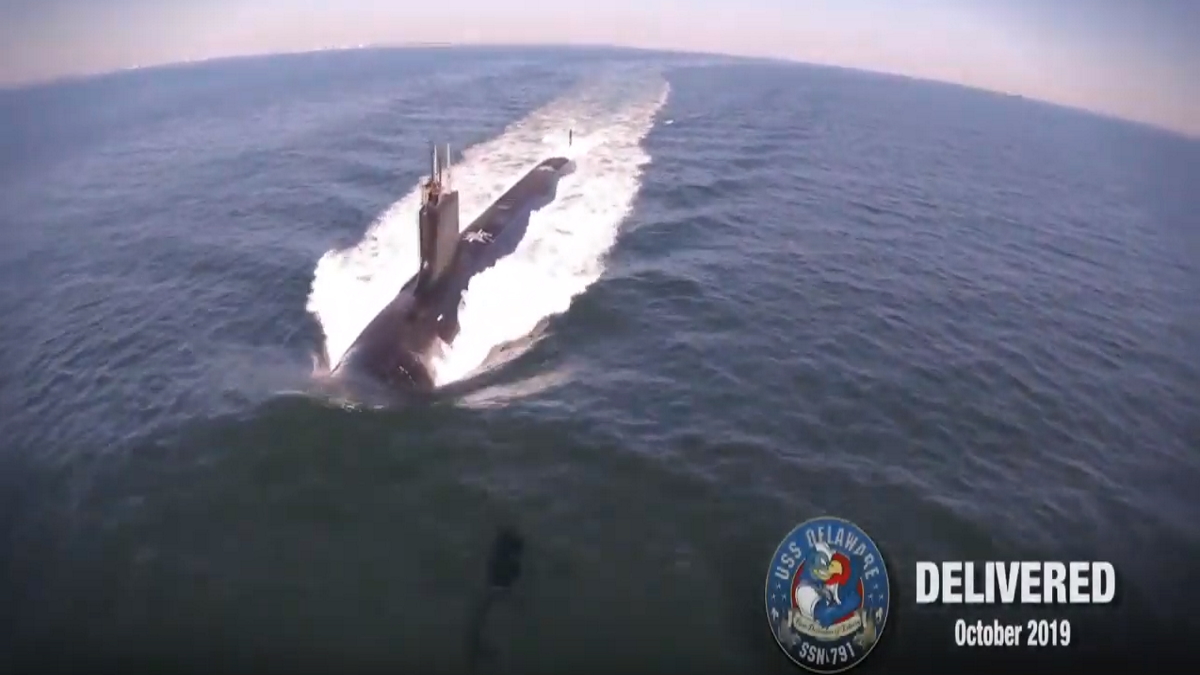
The U.S. Navy commissioned USS Delaware (SSN 791), the 18th Virginia-class attack submarine, today, April 4, 2020.

Although the traditional public commissioning ceremony was cancelled due to public health safety and restrictions of large public gatherings, the Navy commissioned USS Delaware administratively and transitioned the ship to normal operations. Meanwhile, the Navy is looking at a future opportunity to commemorate the special event with the ship’s sponsor, crew and commissioning committee.

“This Virginia-class fast-attack submarine will continue the proud naval legacy of the state of Delaware and the ships that have borne her name,” said Acting Secretary of the Navy Thomas B. Modly. “I am confident that the crew of this cutting edge platform will carry on this tradition, confronting the many challenges of today’s complex world with the professionalism and agility the American people depend on from the warriors of the silent service.”

Vice Adm. Daryl Caudle, commander, Submarine Forces, said he is pleased to welcome the ship to the U.S. submarine fleet and contribute to its unmatched undersea warfighting superiority.

“The U.S. Navy values the support of all those who contributed to today’s momentous milestone and will look for a future opportunity to commemorate this special event,” Caudle said. “The sailors of USS Delaware hail from every corner of the nation and from every walk of life. This crew, and the crews who follow, will rise to every challenge with unmatched bravery and perseverance to ensure the U.S. Submarine Force remains the best in the world.”

The ship’s sponsor, Dr. Jill Biden, offered congratulations to everyone who played a role in delivering USS Delaware to service.

“I know this submarine and her crew of courageous sailors will carry the steadfast strength of my home state wherever they go,” she said. “The sailors who fill this ship are the very best of the Navy, and as you embark on your many journeys, please know that you and those whom you love are in my thoughts.”

Delaware’s commanding officer, Cmdr. Matthew Horton, said today marks the culmination of six years of hard work by the men and women who constructed the submarine and are preparing her to become a warship. He said he is especially thankful to the crew and their families, Dr. Biden, the USS Delaware Commissioning Committee and the Navy League of Hampton Roads for all their hard work and support.

“As we do our part to maintain the nation’s undersea supremacy well into the future, today marks a milestone for the sailors who serve aboard USS Delaware. Whether they have been here for her initial manning three years ago, or have just reported, they all are strong, capable submariners ready to sail the nation’s newest warship into harm’s way,” Horton said. “I am equally proud of the families who have stood by through the long hours of shift work, testing, and sea trials and supported our mission with patriotism and devotion.”

This is the first time in nearly 100 years the name “Delaware” has been used for a U.S. Navy vessel. It is the seventh U.S. Navy ship, and first submarine, to bear the name of the state of Delaware.  Delaware is a flexible, multi-mission platform designed to carry out the seven core competencies of the submarine force: anti-submarine warfare; anti-surface warfare; delivery of special operations forces; strike warfare; irregular warfare; intelligence, surveillance and reconnaissance; and mine warfare.

The submarine is 377 feet long, has a 34-foot beam, and will be able to dive to depths greater than 800 feet and operate at speeds in excess of 25 knots submerged. It will operate for over 30 years without ever refueling. Delaware’s keel was laid April 30, 2016, and was christened during a ceremony Oct. 20, 2018. It is the final Block III Virginia-class submarine, before the next wave of Block IV deliveries.

Defense.gov (April 2020) U.S. Navy Attack Submarine USS Delaware Joins the Fleet

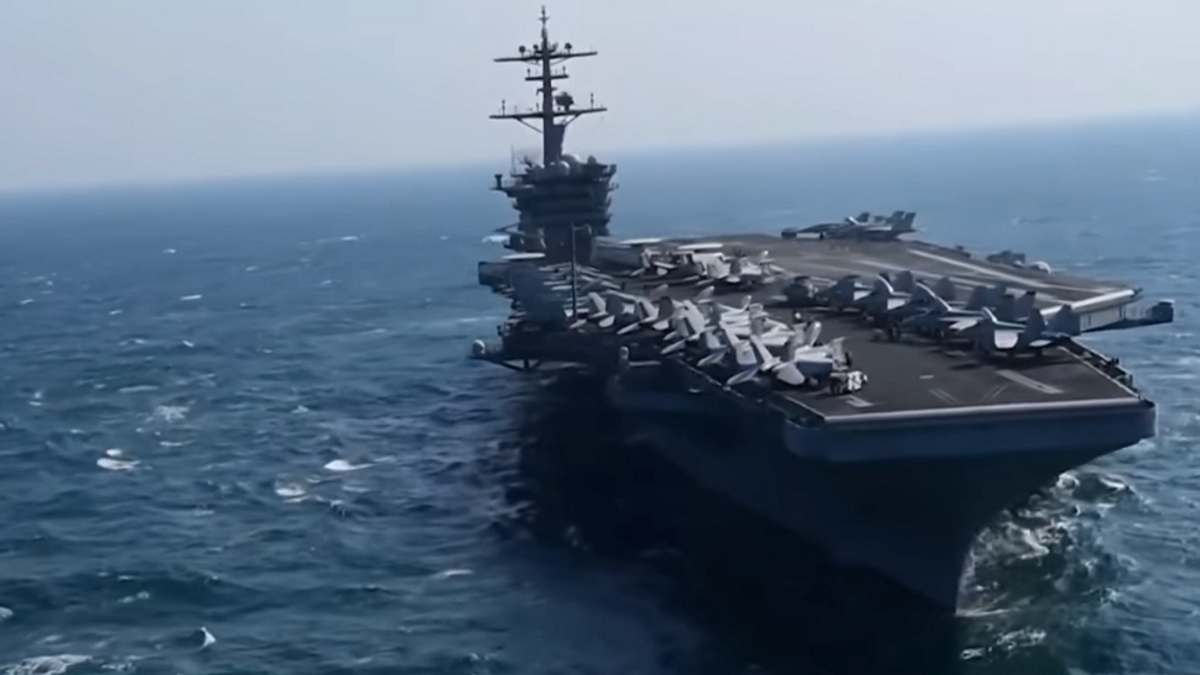
Statement from SECNAV on Relief of CO aboard USS Theodore Roosevelt (CVN 71)


A short time ago, the Acting Secretary of the Navy, Thomas B. Modly, released the following statements regarding the relief of the Commanding Officer of USS Theodore Roosevelt.

Acting Secretary of the Navy, Thomas B. Modly:

I am here today to inform you that today at my direction, the Commanding Officer of the USS Theodore Roosevelt, Captain Crozier, was relieved of command by the Carrier Strike Group Commander, Rear Admiral Stuart Baker.

The Executive Officer, Captain Dan Keeler, has assumed command temporarily until such time as Rear Admiral Select Carlos Sardiello arrives in Guam to assume command. Rear Admiral Select Sardiello is the former commanding officer of the Theodore Roosevelt so he is extremely well-acquainted with the ship, many members of its crew and the operations and capabilities of the ship itself. He is the best person in the Navy right now to take command under these circumstances.

As Secretary of the Navy, I could not be more proud of our men and women serving as part of the Navy and Marine Corps team. I can assure you that no one cares more than I do about their safety and welfare. I myself have a son in uniform, who is currently serving right now on active duty in Korea—one of the first nations in the world to have a significant spike in Coronavirus cases. I understand, both as a parent and a veteran, how critical our support lines are for the health and well-being of our people, especially now in the midst of a global pandemic.

But there is a larger strategic context, one full of national security imperatives, of which all our commanders must all be aware today. While we may not be at war in a traditional sense, neither are we truly at peace. Authoritarian regimes are on the rise. Many nations are reaching, in many ways, to reduce our capacity to accomplish our national goals. This is actively happening every day. It has been a long time since the Navy and Marine Corps team has faced this broad array of capable global strategic challengers. A more agile and resilient mentality is necessary, up and down the chain of command.

Perhaps more so than in the recent past, we require commanders with the judgment, maturity, and leadership composure under pressure to understand the ramifications of their actions within that larger dynamic strategic context. We all understand and cherish our responsibilities, and frankly our love, for all of our people in uniform, but to allow those emotions to color our judgment when communicating the current operational picture can, at best, create unnecessary confusion, and at worst, provide an incomplete picture of American combat readiness to our adversaries.

When the Commanding Officer of the USS THEODORE ROOSEVELT decided to write his letter of 30 March 2020 that outlined his concerns for his crew in the midst of a COVID-19 outbreak, the Department of the Navy had already mobilized significant resources for days in response to his previous requests. On the same date marked on his letter, my Chief of Staff had called the CO directly, at my request, to ensure he had all the resources necessary for the health and safety of his crew.

The CO told my Chief of Staff that he was receiving those resources, and was fully aware of the Navy’s response, only asking that the he wished the crew could be evacuated faster. My Chief of Staff ensured that the CO knew that he had an open line to me to use at any time. He even called the CO again a day later to follow up. At no time did the CO relay the various levels of alarm that I, along with the rest of the world, learned from his letter when it was published two days later.

Once I read the letter, I immediately called the Chief of Naval Operations, ADM Gilday, and the Commander, U.S. Pacific Fleet, ADM Aquilino. ADM Gilday had just read the letter that morning as well, and ADM Aquilino had it the day before. We had a teleconference within minutes of my reading of that article, including the Commander, SEVENTH Fleet, VADM William Merz, ADM Aquilino, ADM Gilday, the Department of the Navy’s Surgeon General, RADM Bruce Gillingham, and others. That evening, we held another teleconference with the entire chain of command.

The next day, I spoke with the CO of the THEODORE ROOSEVELT myself, and this morning, I have spoken to the TR’s Carrier Strike Group Commander, RDML Stuart Baker. RDML Baker did not know about the letter before it was sent to him via email by the CO. It is important to understand that the Strike Group Commander, the CO’s immediate boss, is embarked on the Theodore Roosevelt, right down the passageway from him. The letter was sent over non- secure, unclassified email even though that ship possesses some of the most sophisticated communications and encryption equipment in the Fleet.

It was sent outside the chain of command, at the same time the rest of the Navy was fully responding. Worse, the Captain’s actions made his Sailors, their families, and many in the public believe that his letter was the only reason help from our larger Navy family was forthcoming, which was hardly the case.

Command is a sacred trust that must be continually earned, both from the Sailors and Marines one leads, and from the institution which grants that special, honored privilege.

As I learned more about the events of the past week on board USS THEODORE ROOSEVELT (CVN-71), including my personal conversations with the Strike Group Commander, Commander, SEVENTH Fleet, Commander, U.S. Pacific Fleet, the Chief of Naval Operations, and CAPT Crozier himself, I could reach no other conclusion than that Captain Crozier had allowed the complexity of his challenge with COVID breakout on the ship to overwhelm his ability to act professionally, when acting professionally was what was needed most. We do, and we should, expect more from the Commanding Officers of our aircraft carriers.

I did not come to this decision lightly. I have no doubt in my mind that Captain Crozier did what he thought was in the best interests of the safety and well-being of his crew. Unfortunately, it did the opposite. It unnecessarily raised alarms with the families of our Sailors and Marines with no plan to address those concerns. It raised concerns about the operational capabilities and operational security of the ship that could have emboldened our adversaries to seek advantage, and it undermined the chain of command who had been moving and adjusting as rapidly as possible to get him the help he needed.

For these reasons, I lost confidence in his ability to lead that warship as it continues to fight through this virus, get the crew healthy, so that it can continue to meet its national security requirements. In my judgement relieving him of command was in the best interests of the United States Navy and the nation in this time when the nation needs the Navy to be strong and confident in the face of adversity. The responsibility for this decision rests with me. I expect no congratulations for it, and it gives me no pleasure in making it. CAPT Crozier is an honorable man, who despite this uncharacteristic lapse of judgment, has dedicated himself throughout a lifetime of incredible service to our nation.

Pursuant to this action, and with my full support, the Chief of Naval Operations Admiral Gilday has directed the Vice Chief of Naval Operations, Admiral Robert Burke, to conduct an investigation into the circumstances and climate of the entire Pacific Fleet to help determine what may have contributed to this breakdown in the chain of command. We must ensure we can count on the right judgment, professionalism, composure, and leadership from our Commanding Officers everywhere on our Navy and Marine Corps team, but especially in the Western Pacific. I have no indication that there is a broader problem in this regard, but we have obligation to calmly and evenly investigate that nonetheless.

To our Commanding Officers, it would be a mistake to view this decision as somehow not supportive of your duty to report problems, request help, protect your crews, and challenge assumptions as you see fit.

This decision is not one of retribution. It is about confidence. It is not an indictment of character, but rather of judgement. While I do take issue with the validity of some of the points in Captain Crozier’s letter, he was absolutely correct in raising them.

It was the way in which he did this, by not working through and with his Strike Group Commander to develop a strategy to resolve the problems he raised, by not sending the letter to and through his chain of command, by not protecting the sensitive nature of the information contained within the letter appropriately, and lastly by not reaching out to me directly to voice is concerns, after that avenue had been provided to him through my team, that was unacceptable.

Let me be clear, you all have a duty to be transparent with your respective chains of command, even if you fear they might disagree with you. This duty requires courage, but it also requires respect for that chain of command, and for the sensitivity of the information you decide to share and the manner you choose to share it.

Finally, and perhaps most importantly, I would like to send a message to the crew of the Theodore Roosevelt and their families back here at home. I am entirely convinced that your Commanding Officer loves you, and that he had you at the center of his heart and mind in every decision that he has made. I also know that you have great affection, and love, for him as well. But it is my responsibility to ensure that his love and concern for you is matched, if not exceeded by, his sober and professional judgement under pressure.

You deserve that throughout all the dangerous activities for which you train so diligently, but most importantly, for those situations which are unpredictable and are hard to plan for. It’s important because you are the TR, you are the Big Stick, and what happens onboard the TR matters far beyond the physical limits of your hull. Your shipmates across the fleet need for you to be strong and ready—and most especially right now they need you to be courageous in the face of adversity.

The nation needs to know that the Big Stick is undaunted, unstoppable —and that you will stay that way as we as a Navy helps you through this COVID-19 challenge. Our adversaries need to know this as well. They respect and fear the Big Stick, and they should. We will not allow anything to diminish that respect and fear as you, and the rest of our nation, fights through this virus. As I stated, we are not at war by traditional measures, but neither are we at peace. The nation you defend is in a fight right now for our economic, personal and political security, and you are on the front lines of this fight in many ways.

You can offer comfort to your fellow citizens who are struggling and fearful here at home by standing the watch, and working your way through this pandemic with courage and optimism and set the example for the nation.

We have an obligation to ensure you have everything you need as fast as we can get it there, and you have my commitment that we will not let you down.

The nation you have sworn to defend is in a fight, and the nations and bad actors around the world who wish us harm should understand that the Big Stick is in the neighborhood and that her crew is standing the watch.

Navy.mil (April 2020) Statement from SECNAV on Relief of CO aboard USS Theodore Roosevelt (CVN 71)

Lt. Col. Buzz Patterson Primary election success with endorsement by Combat Veterans for Congress


Support for Decorated Air Force Veteran Growing Rapidly in Highly Contested Race

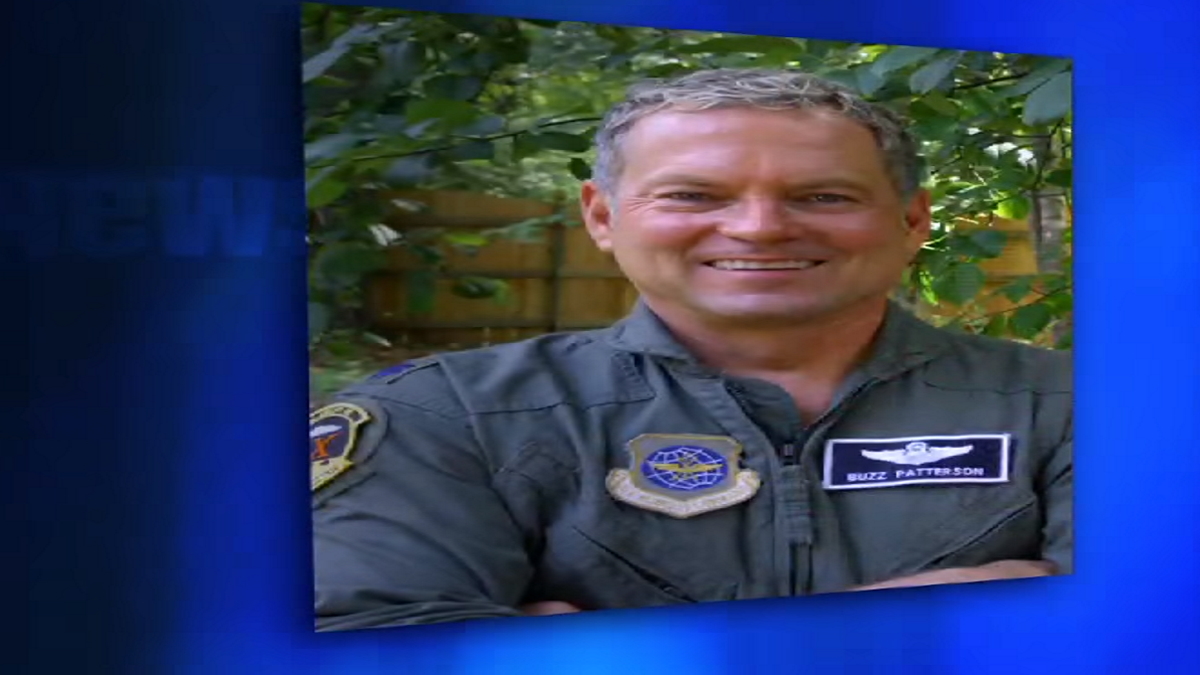
On Monday, the Combat Veterans for Congress PAC endorsed Lt. Col. (Ret.) Robert “Buzz” Patterson for the 7th Congressional District election in November 2020 and was announced today by Mimi Soros, campaign manager for Buzz Patterson for Congress.

Patterson, a decorated veteran, former White House aide, community leader, and commercial airline pilot, is the Republican candidate in a highly competitive district representing southern and eastern Sacramento County, California.

Patterson’s more than 32,000 votes in the March primary election nearly equaled those cast for the incumbent and easily qualified him for the 2020 general election in November.

Although historically Democratic, the district has been rated “even” by the Cook Partisan Voting Index.

Patterson’s campaign is focusing on reducing his District’s high unemployment, addressing problems caused by illegal immigration, improving economic growth and lack of affordable health care in the District, issues which, after two terms in Washington, D.C., are plaguing his opponent’s campaign and track record showing a lack of focus on the District’s most important local issues.

In the endorsement, Combat Veterans for Congress PAC praised Patterson’s dedication to local leadership and service to the nation, stating “in Buzz Patterson we have a combat veteran who General George Washington would have approved of. Buzz is a veteran who wrote a blank check payable to the United States of America for an amount “up to and including his life.”

Patterson is a fiscally conservative candidate who will work to reduce the national debt, strengthen US Armed Forces, protect freedom of religion and speech and defend traditional family values.

 “I am dedicated to helping my constituents solve important local problems being ignored by those in Washington, so am truly grateful for the endorsement of Combat Veterans for Congress PAC,” Patterson stated. “Their support will help us greatly in the District and throughout our state in November.”

Combat Veterans for Congress PAC joins an impressive roster of endorsements for Patterson that includes the California GOP, Sean Hannity, Brandon Straka (WalkAway), LAGOP, Sacramento County Republican Assembly, and former Chairman of the California GOP and conservative political leader and commentator, Tom DelBeccaro.

Patterson also received endorsements from the Howard Jarvis Taxpayers Association, National Right to Life, the California Republican Assembly, the Cosumnes Republican Assembly, California State Senator Jim Nielsen, former California State Senator Ted Gaines, and popular conservative radio talk show hosts, Mark Larson and Phil Cowan.

Patterson served 20 years as a United States Air Force pilot, was a former Senior Military Aide to President Bill Clinton, and recipient of numerous military commendations, including the Defense Superior Service and Air Force Air Medals.

His tours of duty included world-wide and combat operations in Grenada, Somalia, Rwanda, Haiti, and Bosnia.

While serving at the White House, Patterson was responsible for the “Nuclear Football,” the satchel containing the nation’s nuclear capability that always accompanies the President and was commander of all White House military personnel and operations.

He is a member of the Air Force Association, the Airlift Tanker Association, the NRA, American Legion, and the VFW.

A Republican and a native of North Carolina, Patterson and his family moved to California following his retirement from military service in 2001 to pursue a career as a commercial airline pilot, writer, speaker, and community leader.

More information can be found at www.Buzz4Congress.com.

MEDIA CONTACT: Mimi Soros 916-470-8737/msoros@buzz4congress.com
Peter Bylsma 310-795-8532/pbylsma@buzz4congress.com

Buzz4Congress.com (March 2020) Support for Decorated Air Force Veteran Growing Rapidly in Highly Contested Race

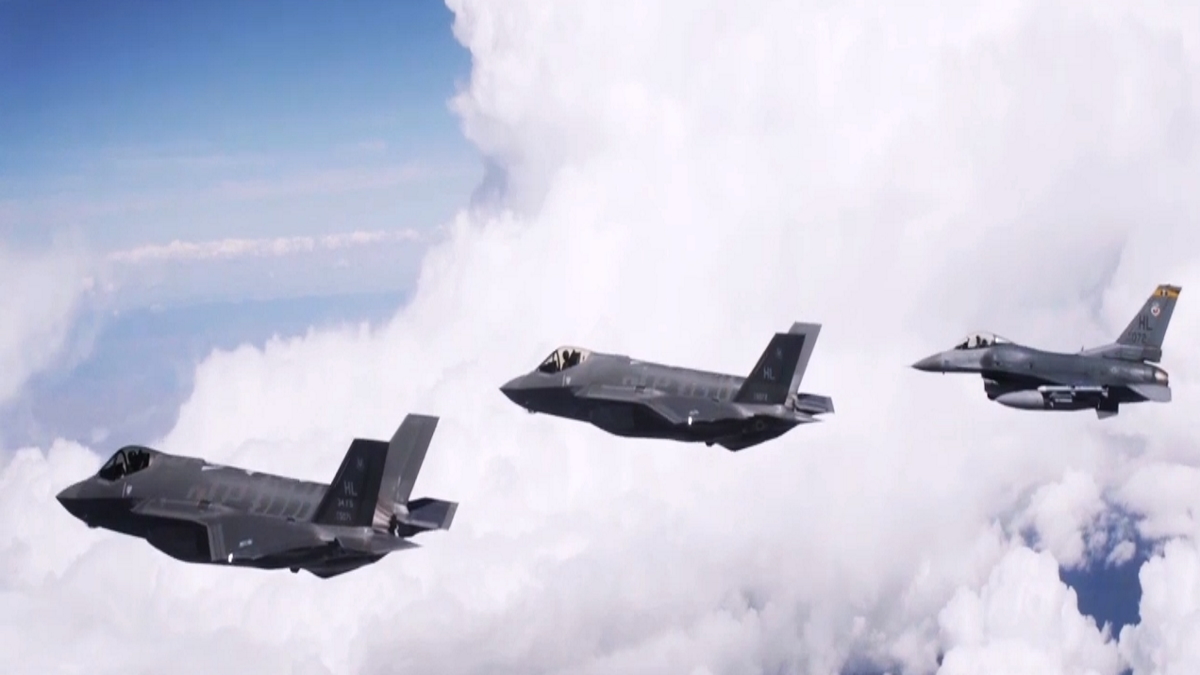
Hill Air Force Base has announced its first confirmed COVID-19 case


A Hill Air Force Base member is being treated and evaluated by health care professionals following the first confirmed case of COVID-19 we have at the base.

“This is our first confirmed case,” said Col Jon Eberlan, 75th Air Base Wing commander. “The continued safety and well-being of the installation is my top priority. We are working with our base medical staff and off-base health care agencies to ensure we mitigate the effects of COVID-19 using established Centers for Disease Control and Prevention and Defense Department guidelines.”

Hill AFB declared a public health emergency on March 19 and is in Health Protection Condition Bravo to reflect the current situation posed by COVID-19 and the risk of exposure to personnel.

Hill AFB officials are working closely with the Utah Department of Health to coordinate prevention and response efforts in the local area. We are regularly providing installation personnel and their families with up-to-date information on appropriate measures to prevent potential spread of the virus, as well as any impact to local activities.

We encourage all Air Force personnel and their families to continue to practice social distancing and proper hygiene as the best way to prevent the spread of the virus. This includes washing hands with soap and water for at least 20 seconds or using an alcohol-based hand sanitizer that contains at least 60% alcohol. People should not shake hands, and routinely disinfect all commonly used surfaces. Also, avoid touching eyes, nose and mouth with unwashed hands and avoid close contact with those who are sick.

“We are encouraging all personnel to follow Force Health Protection guidelines to safeguard our community to prevent widespread outbreak, and adhere to travel advisories and restrictions,” Eberlan said.

Hill AFB leadership will continually monitor the situation and provide additional information as it becomes available.

Hill.Af.mil (March 2020) Hill AFB announces first confirmed COVID-19 case

DOD partners with defense industry to mitigate impacts from COVID-19, Contractor dies


Lt. Col. Mike Andrews, Department of Defense spokesman said on Sunday, “The Department continues to aggressively partner with the defense industry to mitigate impacts from COVID-19.”

Under Secretary of Defense Ellen Lord’s Acquisition and Sustainment leaders in Industrial Policy, Defense Pricing and Contracting, Defense Logistics Agency (DLA), and the Defense Contracting Management Agency (DCMA) have made significant progress this week in addressing specific concerns outlined by defense industry leaders.

During the 4 daily COVID-19 update calls with defense industry associations leaders this week, led by Deputy Assistant Secretary of Defense for Industrial Policy Ms. Jennifer Santos, several key concerns identified by industry included 1) critical defense contractor workforce ability to continue working; 2) ensuring cash flow to the defense industrial base; and 3) getting standardized guidance out to industry.

On Friday the Department issued two memos that address all three concerns.

After working closely with the Hill and the Department of Homeland Security, Under Secretary Lord issued a Defense Industrial Base Essential Critical Infrastructure Workforce memo that defined essentiality in the Defense Industrial Base (DIB) workforce, ensuring the defense industrial base’s critical employees can continue working.

The memo also reiterated her commitment to the safety of the workforce and support of the national security mission.

In addition, on Friday Mr. Kim Herrington, Director of Defense Pricing and Contracting, issued a Deviation on Progress Payments memo, which stated that once in contracts, the progress payment rate that contracts can get paid for will increase from 80% of cost to 90% for large businesses and from 90% to 95% for small businesses.

This is an important avenue where industry cash flow can be improved.

DCMA will work on mass modifications to contracts where applicable (vs one by one) using DCMA authorities. In addition, the Department is accelerating payments through several means to prime contracts and directing prime contracts to expedite payments to subcontractors.

Vice Admiral David Lewis, DCMA Director, has worked closely with the contracting workforce and the Defense Finance and Accounting Services (DFAS) to ensure that invoices are continuing to be paid in a timely manner.

On Friday, the Acquisition and Sustainment Small Business Office reached out to defense industry small businesses, and is working with the Small Business Administration and their small business emergency loan program to help protect these companies.

The Department is fully engaged with the inter-agency to leverage the Defense Production Act to help reinforce critical elements of the DIB. It is especially important to understand that during this crisis the DIB is vulnerable to adversarial capital, we need to ensure companies stay in business without losing their technology. The Department will be discussing this in more detail next week.

Under Secretary Lord remains grateful for the productive discussions with the defense industry associations, U.S. Chamber of Commerce, Hill and State leaders. She’s especially proud of the incredible efforts of Department leaders and contracting officers across the nation who are helping ensure a secure, reliable and resilient Defense Industrial Base.”

In related news, the Department of Defense sadly reported that a Crystal City-based contractor, who worked at the Defense Security Cooperation Agency, passed away on March 21, 2020.

The individual had tested positive for COVID-19 and had been under medical treatment at a local hospital. Our condolences go out to his family, friends and co-workers and we thank the medical professionals who worked to save his life in the face of this virus.

The spaces in DSCA where the individual worked have been cleaned in accordance with CDC guidance when he tested positive and the person’s co-workers have been teleworking.

The Department remains committed to protecting our service members, their families, and our civilian co-workers.

Defense.gov (March 2020) Partnering With the U.S. Defense Industrial Base to Combat COVID-19; DOD Announces Death of Contractor