U.S. Attorney David C. Joseph Launches Federal Task Force to Investigate and Prosecute COVID-19 Fraud and Hoarding of Critical Medical Supplies


In response to the evidence that fraud schemes are being developed around the country to exploit the coronavirus epidemic, U.S. Attorney David C. Joseph announced today that he has formed a task force in the Western District of Louisiana to identify, investigate, prosecute, and dismantle fraud schemes designed to unlawfully profit from the COVID-19 pandemic. 

The Western District of Louisiana’s COVID-19 Fraud Task Force (Task Force) brings together multiple federal investigative agencies under the leadership of the U.S. Attorney’s Office to share and receive intelligence related to the scams being perpetrated on-line and in-person by individuals seeking to exploit the evolving public health crisis.

The Task Force will then marshal the collective investigative power of our federal law enforcement agencies by forming joint investigative teams to work with prosecutors from the U.S. Attorney’s Office. 

The Task Force will be led by the U.S. Attorney’s Office COVID-19 Fraud Coordinator, Assistant U.S. Attorney Seth D. Reeg. The Task Force members include representatives from the United States Attorney’s Office, FBI, U.S. Department of Homeland Security – Office of Inspector General,  U.S. Food and Drug Administration – Criminal Investigations, U.S. Department of Homeland Security Investigations/ Immigration and Customs Enforcement, U.S. Department of Veteran’s Administration – Office of Inspector General, United States Secret Service, U.S. Postal Inspection Service, U.S. Department of Health and Human Services – Office of Inspector General, U.S. Customs and Border Protection, Federal Trade Commission, and the Small Business Administration – Office of Inspector General.

“The public should know that my office remains fully operational during the COVID-19 pandemic and will be focusing on those who seek to unlawfully exploit others during this difficult time,” said U.S. Attorney Joseph. “The last thing our community needs as we come together to fight this pandemic are certain individuals among us preying upon the fears of others for financial gain.  Through the formation of this Task Force, federal prosecutors from my office will collaborate on a daily basis with investigators to identify, investigate, and aggressively prosecute those attempting to profit from this emergency.  I want to thank all of the agencies and federal agents that are joining us in this effort – each of which brings considerable expertise to the fight.”

The Task Force will review and investigate all credible leads of fraud associated with the coronavirus pandemic, focusing on those hoarding or price-gouging critical medical supplies and schemes designed to exploit vulnerable populations, including the elderly and those who may be more susceptible to the disease due to pre-existing health conditions. The Task Force will also prioritize schemes that have the potential to endanger public health and safety. AUSA Reeg will meet and confer with agency counterparts on a regular basis to prioritize cases and surge resources where needed.

Some examples of COVID-19 scams include:

  • Unlawful Hoarding and Price-Gouging: The Department of Health and Human Services (HHS) has designated certain health and medical resources necessary to respond to the COVID-19 pandemic as “scarce,” including respirator masks, ventilators, and other medical protective equipment. These designated materials are subject to the hoarding prevention measures that trigger both criminal and civil remedies. Yesterday, U.S. Attorney Joseph sent a letter to area hospitals and medical providers requesting information regarding any known hoarding or price-gouging of critical medical supplies.
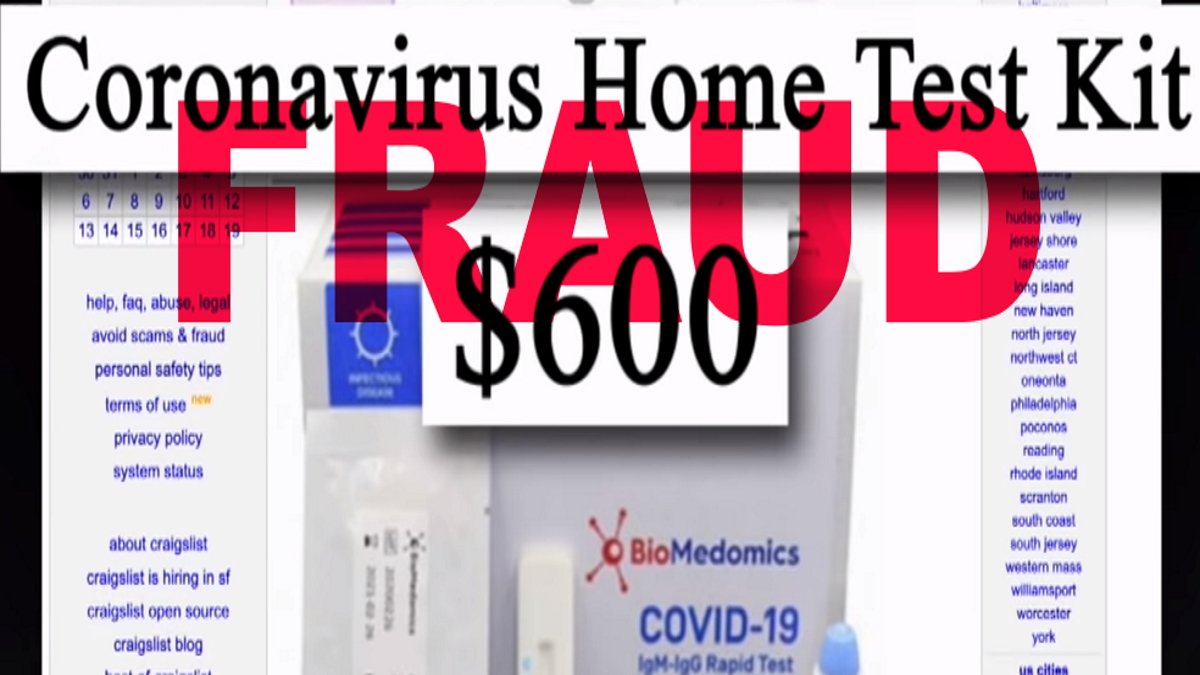
  • Testing Scams: Scammers are selling fake at-home test kits or going door-to-door performing fake tests for money.
  • Treatment Scams: Scammers are offering to sell fake cures, vaccines, and advice on unproven treatments for COVID-19.
  • Supply Scams: Scammers are creating fake shops, websites, social media accounts, and email addresses claiming to sell medical supplies currently in high demand, such as surgical masks. When consumers attempt to purchase supplies through these channels, fraudsters pocket the money and never provide the promised supplies.
  • Provider Scams: Scammers are also contacting people by phone and email, pretending to be doctors and hospitals that have treated a friend or relative for COVID-19, and demanding payment for that treatment.
  • Charity Scams: Scammers are soliciting donations for individuals, groups, and areas affected by COVID-19.
  • Phishing Scams and Cyber Intrusions: Scammers posing as national and global health authorities, including the World Health Organization (WHO) and the Centers for Disease Control and Prevention (CDC), are sending phishing emails designed to trick recipients into clicking on a link or opening an attachment that downloads malware, or providing personal identifying financial information. One form of malware being spread contains an interactive online map of coronavirus-infected areas purportedly produced by Johns Hopkins University. Once someone downloads this interactive map, the malware steals the user’s credentials, such as usernames, credit card numbers, passwords, and other sensitive information usually stored in internet browsers.
  • App Scams: Scammers are also creating and manipulating mobile apps designed to track the spread of COVID-19 to insert malware that will compromise users’ devices and personal information.
  • Investment Scams: Scammers are offering online promotions on various platforms, including social media, claiming that the products or services of publicly traded companies can prevent, detect, or cure COVID-19, and that the stock of these companies will dramatically increase in value as a result. These promotions are often styled as “research reports,” make predictions of a specific “target price,” and relate to microcap stocks, or low-priced stocks issued by the smallest of companies with limited publicly available information.
  • $1,000 Check Scams: Scammers are contacting people over email and are telling them that their $1,000 check, as part of the stimulus package responding to COVID-19, is already waiting for them and that all they need to do is to provide personal information, such as bank account numbers and Social Security Numbers, which are the key pieces of information needed to perpetrate identity theft.
  • Other scams include fraudsters claiming to work for the government or banks/credit cards and offering assistance for student loan relief, foreclosure or eviction relief, unemployment assistance, debt relief, and direct financial assistance, like government checks.

U.S. Attorney Joseph urges everyone, especially those most at risk of serious illness, to avoid these and similar scams by taking the following steps:

  • Independently verify the identity of any company, charity, or individual that contacts you regarding COVID-19.
  • Check the websites and email addresses offering information, products, or services related to COVID-19. Be aware that scammers often employ addresses that differ only slightly from those belonging to the entities they are impersonating. For example, they might use “cdc.com” or “cdc.org” instead of “cdc.gov.”
  • Be wary of unsolicited emails offering information, supplies, or treatment for COVID-19 or requesting your personal information for medical purposes. Legitimate health authorities will not contact the general public this way.
  • Do not click on links or open email attachments from unknown or unverified sources. Doing so could download a virus onto your computer or device.
  • Make sure the anti-malware and anti-virus software on your computer is operating and up to date.
  • Ignore offers for a COVID-19 vaccine, cure, or treatment. Remember, if there is a medical breakthrough, you won’t hear about it for the first time through an email, online ad, or unsolicited sales pitch.
  • Check online reviews of any company offering COVID-19 products or supplies. Avoid companies whose customers have complained about not receiving items.
  • Research any charities or crowdfunding sites soliciting donations in connection with COVID- 19 before giving. Remember, an organization may not be legitimate even if it uses words like “CDC” or “government” in its name or has reputable looking seals or logos on its materials. For online resources on donating wisely, visit the Federal Trade Commission (FTC) website.
  • Be wary of any business, charity, or individual requesting payments or donations in cash, by wire transfer, gift card, or through the mail. Don’t send money through any of these channels.
  • Be cautious of “investment opportunities” tied to COVID-19, especially those based on claims that a small company’s products or services can help stop the virus. If you decide to invest, carefully research the investment beforehand. For information on how to avoid investment fraud, visit the U.S. Securities and Exchange Commission (SEC) website.
  • For the most up-to-date information on COVID-19, visit the Centers for Disease Control and Prevention (CDC) and World Health Organization (WHO) websites.

Leaders from the federal law enforcement agencies participating in the Task Force provided the following comments in support of the mission:

“Even through a worldwide pandemic, the FBI remains steadfast in our mission to protect the American people and uphold the Constitution,” said Special Agent in Charge Bryan A. Vorndran of the FBI New Orleans Field Office. “Special Agents and Analysts of the WDLA COVID-19 Task Force are committed to investigating all forms of COVID-19 fraud committed on Louisiana residents. Any company or individual who attempts to defraud our residents and steal their money during this national crisis will be investigated and brought to justice.”

Soffe Men’s 3 Pack-USA Poly Cotton Military Tee

According to Joseph Cuffari, PhD., Inspector General, Department of Homeland Security, “The theft of FEMA funds resulting from COVID-19 schemes or false claims result in losses not only to the U.S. Taxpayer, but also to the actual victims who needed those funds to recover. Working with the U.S. Attorney’s Office, the Department of Homeland Security’s Office of Inspector General will continue our commitment to identify and aggressively investigate allegations of fraud. Theft of funds from DHS programs intended to help those in need will not be tolerated.”

“The FDA is fully committed to working with our federal partners to protect Americans from fraudulent and potentially dangerous medical products being marketed and distributed to Americans for the treatment or diagnosis of COVID-19. We will continue to take appropriate action to protect consumers from bad actors who take advantage of a crisis and place profits ahead of the public health,” said Judith A. McMeekin, Pharm.D., Associate Commissioner for Regulatory Affairs, U.S. Food and Drug Administration.

“Our HSI agents are deeply committed to the safety of the American public, whether it’s investigating and dismantling human trafficking operations or ensuring our medical communities are receiving legitimate medical equipment and supplies to combat the spread of Covid-19,” said New Orleans Special Agent in Charge Jere T. Miles. “Those who would use this pandemic to defraud their neighbors, friends, and communities for their own financial gain – we will be looking for you and we will find you.”

“The VA Office of Inspector General is dedicated to preserving the integrity of the public funds and medical resources intended to treat all veterans, including those impacted by COVID-19, and is pleased to join the U.S. Attorney’s Office and other federal law enforcement agencies in establishing this partnership.” – James Ross, Special Agent in Charge, VA Office of Inspector General, South Central Field Office.

If you believe you have been a target or victim of a scam or fraud or have knowledge of any hoarding or price-gouging of critical medical supplies, you can report it without leaving your home, to the National Center for Disaster Fraud Hotline at 1-866-720-5721 or via email at www.disaster@leo.gov.

The Western District of Louisiana Coronavirus Fraud Coordinator, AUSA Seth Reeg, can be reached at: (318) 676-3600.

Justice.gov (March 2020) U.S. Attorney David C. Joseph Launches Federal Task Force to Investigate and Prosecute COVID-19 Fraud and Hoarding of Critical Medical Supplies
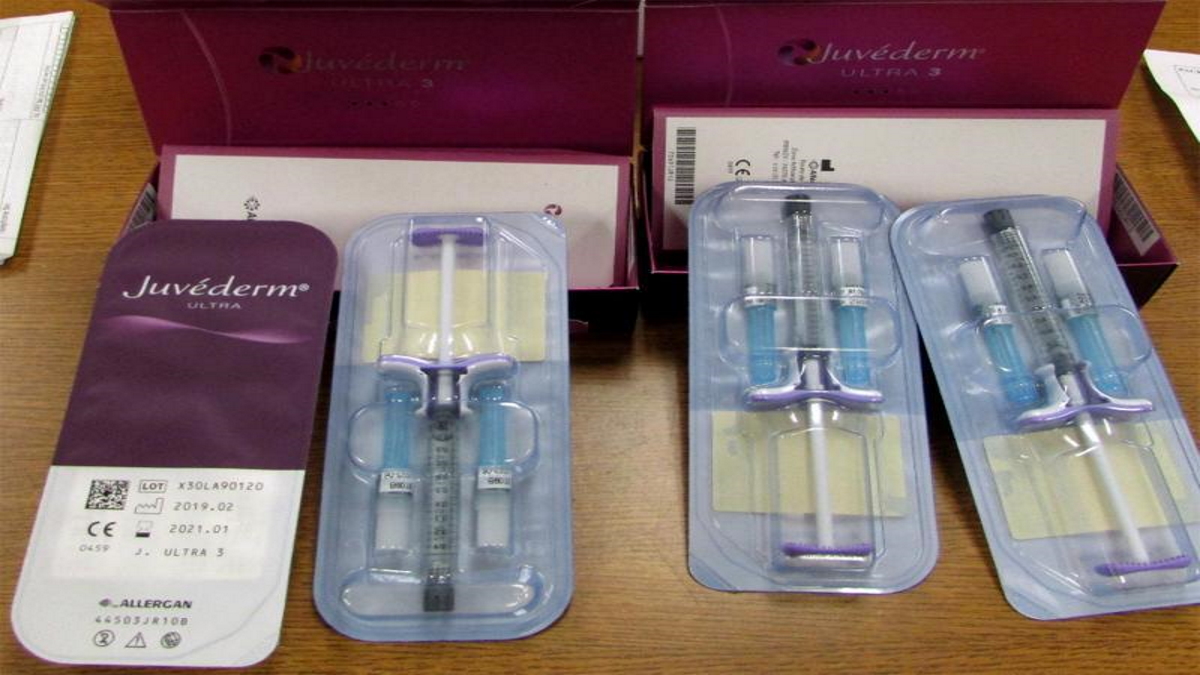
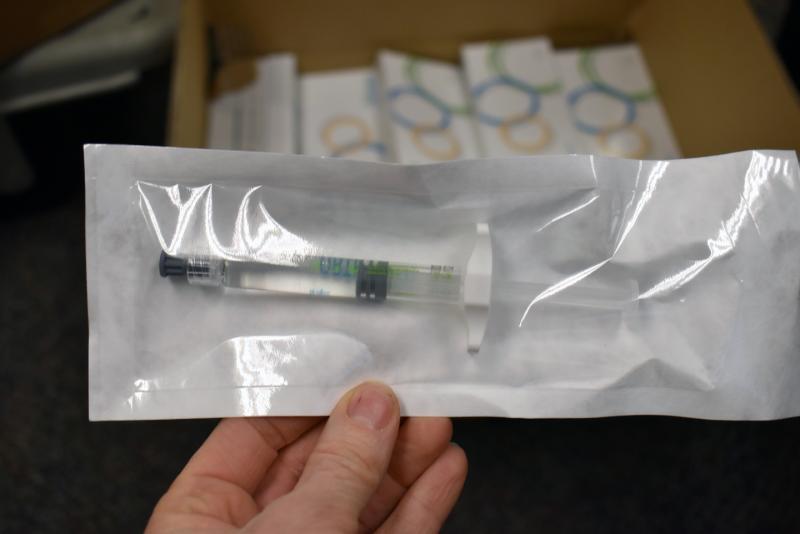
Since January, the Philadelphia CBP has seized more than 100 Shipments of Illicit Dermal Fillers


Even during times of great concern, people feel the need to look their very cosmetic best and to do so at the best price possible. What they don’t realize is that the cheaper dermal filler they purchase online could potentially make them ill, or never reach their doorstep because they violate U.S. import laws.

Since the beginning of the year, Customs and Border Protection officers in Philadelphia have seized more than 100 shipments of dermal filler bearing the brand names of Juvederm, Teoxane, Teosyal, Sculptera, Orthovisc, Revanesse, Restylane, Dyasport, and of course the more popularly known Botox.

CBP seized the dermal filler shipments for violating the Federal Food, Drug and Cosmetic Act, specifically 21 USC 331, and for violating import licensing and permit requirements (19USC1595a). The shipments, which arrived aboard air cargo flights from Germany and Poland, were destined to addresses in states across the United States, but Florida was the most popular. The domestic value of each shipment ranged from less than $300 to $450, cheaper than what consumer would pay in the United States.

“American consumers should exercise caveat emptor, or buyer beware, that just because you purchase an item more cheaply online overseas does not necessarily mean it is lawful for importation to the United States or safe for consumer use,” said Joseph Martella, Area Port Director for the Area Port of Philadelphia. “Customs and Border Protection officers will continue to work with the trade industry and our consumer safety partners to intercept illicit and potentially dangerous products at our nation’s ports of entry.”

Consumers should also be aware that products purchased online may be counterfeit products that may have been manufactured in unregulated facilities with substandard or harmful ingredients. CBP urges consumer to buy from reputable vendors.

The Food and Drug Administration offers safety tips for dermal fillers, including never purchasing dermal filler on the Internet because they may be counterfeit, contaminated or harmful.

CBP’s border security mission is led at ports of entry by CBP officers from the Office of Field Operations. CBP officers screen international travelers and cargo and search for illicit narcotics, unreported currency, weapons, counterfeit consumer goods, prohibited agriculture, and other illicit products that could potentially harm the American public, U.S. businesses, and our nation’s safety and economic vitality. Please visit CBP Ports of Entry to learn more about how CBP’s Office of Field Operations secures our nation’s borders. Learn more about CBP at www.CBP.gov.

CBP.gov (March 2020) Philadelphia CBP Seizes more than 100 Shipments of Illicit Dermal Fillers since January

District Court Orders Injunctions against Two Telecom Carriers Who Facilitated Hundreds of Millions of Fraudulent Robocalls to Consumers in the United States

Fraudulent Robocalls to Consumers in the United States


First of Their Kind Injunctions Obtained by Justice Department

The U.S. District Court for the Eastern District of New York has entered orders in two separate civil actions, barring eight individuals and entities from continuing to facilitate the transmission of massive volumes of fraudulent robocalls to consumers in the United States, the Department of Justice announced on Friday. 

In one of the matters, United States v. Nicholas Palumbo, et al., the District Court entered a preliminary injunction that bars two individuals and two entities from operating as intermediate voice-over-internet-protocol (VoIP) carriers during the pendency of the civil action.  In the other matter, United States v. John Kahen, et al., the District Court entered consent decrees that permanently bar an individual and three entities from operating as intermediate VoIP carriers conveying any telephone calls into the U.S. telephone system.

“These massive robocall fraud schemes target telephones of residents across our country, many of whom are elderly or are otherwise potentially vulnerable to such schemes,” said Assistant Attorney General Jody Hunt of the Department of Justice’s Civil Division.  “The department is committed to stopping this unlawful conduct and pursuing those who knowingly facilitate these schemes for their own financial gain.”

“This office will take all appropriate measures to stop fraudulent robocalling schemes responsible for causing catastrophic losses to victims, including seeking to permanently shut down the U.S.-based enablers of such schemes,” said United States Attorney Richad P. Donoghue for the Eastern District of New York.  “Protecting elderly and vulnerable individuals from being conned by foreign call center scammers remains a priority of this office and the Department of Justice.”

As alleged in the complaints, the defendants in both cases operated as VoIP carriers, receiving internet-based calls from other entities, often located abroad, and transmitting those calls first to other carriers within the United States and, ultimately, to the phones of individuals. 

Numerous foreign-based call centers are alleged to have used the defendants’ VoIP carrier services to pass fraudulent government- and business-imposter robocalls to victims in the United States.  The defendants also sold U.S. phone numbers to foreign entities, which were used as victim call-back numbers as part of massive robocalling fraud schemes.

As also alleged, the defendants were warned numerous times that they were carrying fraudulent robocalls — including calls impersonating government agencies, such as the Social Security Administration, the IRS, and legitimate businesses, such as Microsoft — and yet continued to carry those calls and facilitate fraud schemes targeting individuals in the United States. 

Many of the robocalls were made by foreign fraudsters impersonating government investigators and conveying alarming messages, such as: the recipient’s social security number or other personal information has been compromised or otherwise connected to criminal activity; the recipient faces imminent arrest; the recipient’s assets are being frozen; the recipient’s bank and credit accounts have suspect activity; the recipient’s benefits are being stopped; the recipient faces imminent deportation; or combinations of these threats. 

Each of these claims was a lie, designed to scare the call recipient into paying large sums of money.  These calls led to massive financial losses to elderly and other vulnerable victims throughout the United States.

“The court’s decision sends a clear message to gateway carriers who knowingly do business with scammers targeting Americans from overseas,” said Gail S. Ennis, Inspector General for the Social Security Administration.  “We will continue to pursue those who facilitate these scam calls by allowing them into the U.S. telephone network.  I want to thank the Department of Justice for its support throughout this investigation and its commitment to protecting Americans from this insidious form of fraud and theft.”

United States v. Nicholas Palumbo, et al.

In the first case, the District Court issued a preliminary injunction against spouses Nicholas and Natasha Palumbo of Scottsdale, Arizona, and the Arizona companies they own and operate, Ecommerce National LLC d/b/a TollFreeDeals.com and SIP Retail d/b/a sipretail.com.  The District Court held, in a written opinion, that the evidence presented by the United States demonstrated probable cause to conclude that the defendants were engaged in “widespread patterns of telecommunications fraud, intended to deprive call recipients in the Eastern District of New York and elsewhere of money and property.”

The preliminary injunction issued by the court bars those defendants from carrying any VoIP calls destined for phones in the United States and providing any U.S. telephone numbers (often used as call-back numbers in the fraudulent robocalling schemes) to any individuals or entities during the pendency of this litigation. 

The court noted that though defendants had been warned more than 100 times of specific instances of fraudulent calls being transmitted through their network, they never severed their business relationship with any entity they learned was associated with fraudulent call traffic, prior to the United States’ filing of its lawsuit. 

The court further noted that “the telecommunications ‘intermediary’ industry is set up perfectly to allow fraudulent operators to rotate telephone numbers endlessly and blame other parties for the fraudulent call traffic they carry,” that the United States “demonstrat[ed] probable cause to conclude that defendants’ business is permeated with fraud,” that “multiple individual victims in the United States suffered significant fraud losses,” and that “[e]very day that the defendants’ actions in this vein continue, the public is at risk of harm in the form of additional high-dollar fraud losses.”

The claims in the United States v. Nicholas Palumboet al. matter are allegations only, and there has not been any final determination of liability or wrongdoing.

United States v. John Kahen, et al.

In the second case, the District Court entered consent decrees permanently resolving the matter against five individuals and entities who were also operating intermediary VoIP carriers.  The court entered a consent decree on March 2, 2020 against Jon Kahen, a/k/a Jon Kaen of New York, and New York corporations Global Voicecom Inc. and Global Telecommunication Services Inc., permanently barring those defendants from, among other things, using the U.S. telephone system to: deliver prerecorded messages through automatic means, carry calls to the United States from foreign locations, and provide calling and toll-free services for calls originating in the United States. 

In addition, the defendants are permanently barred from serving as employees, agents, or consultants to any person or entity engaged in these activities.  In a second consent decree, entered on March 24, 2020, the District Court barred KAT Telecom Inc., a New York corporation, from conveying or causing any other person or entity from conveying fraudulent telephone calls, fraudulent recordings, and unauthorized “spoofed” telephone calls.  In the event that KAT Telecom, Inc. resumes operations, it must also implement strong anti-fraud measures, including anti-fraud monitoring, mitigation, and know-your-customer measures.

The claims resolved by the settlement in the United States v. Jon Kahenet al. matter are allegations only, and there has not been any final determination of liability or wrongdoing. 

These cases are being handled by Trial Attorneys Ann F. Entwistle and Charles B. Dunn of the Civil Division’s Consumer Protection Branch and Assistant U.S. Attorneys Bonni Perlin, Dara Olds, and Evan Lestelle of the U.S. Attorney’s Office for the Eastern District of New York, in coordination with the Social Security Administration Office of the Inspector General and the U.S. Postal Inspection Service.  Investigative support was also provided by the U.S. Treasury Inspector General for Tax Administration, U.S. Immigration and Customs Enforcement’s Homeland Security Investigation’s El Dorado Task Force and U.S. Secret Service. 

The Federal Trade Commission and the Federal Communications Commission also provided pertinent data.  

Justice.gov (March 2020) District Court Orders Injunctions against Two Telecom Carriers Who Facilitated Hundreds of Millions of Fraudulent Robocalls to Consumers in the United States

FBI takes down Russian-Based Hacker Platform; Arrests suspected Russian Site Administrator


A Russian-based cyber platform known as DEER.IO was shut down by the FBI today, and its suspected administrator – alleged Russian hacker Kirill Victorovich Firsov – was arrested and charged with crimes related to the hacking of U.S. companies for customers’ personal information.

DEER.IO was a Russian-based cyber platform that allowed criminals to purchase access to cyber storefronts on the platform and sell their criminal products or services.  DEER.IO started operations as of at least October 2013, and claimed to have over 24,000 active shops with sales exceeding $17 million. The platform was shut down pursuant to a seizure order issued by the Southern District of California Court.

FBI agents arrested Firsov, a Russian cyber hacker, on March 7 in New York City. Firsov not only managed the DEER.IO platform, he also advertised it on other cyber forums, which catered to hackers. Firsov is next scheduled to appear on April 16, 2020, before U.S. Magistrate Judge Allison H. Goddard.

According to a federal complaint, DEER.IO virtual stores offered for sale a variety of hacked and/or compromised U.S. and international financial and corporate data, Personally Identifiable Information (PII), and compromised user accounts from many U.S. companies. Individuals could also buy computer files, financial information, PII, and usernames and passwords taken from computers infected with malicious software (malware) located both in the U.S. and abroad. Law enforcement found no legitimate business advertising its services and/or products through a DEER.IO storefront. Store operators and customers accessed the storefront via the Internet.  Specifically, in this case, the FBI made purchases from DEER.IO storefronts hosted on Russian servers.

Soffe Men’s 3 Pack-USA Poly Cotton Military Tee

The DEER.IO platform offered a turnkey online storefront design and hosting platform, from which cybercriminals could advertise and sell their products (such as harvested credentials and hacked servers) and services (such as assistance performing a panoply of cyber hacking activities). The DEER.IO online stores were maintained on Russian-controlled infrastructure. The DEER.IO platform provided shop owners with an easy-to-use interface that allowed for the automated purchase and delivery of criminal goods and services.

Once shop access was purchased via the DEER.IO platform, the site then guided the newly-minted shop owner through an automated set-up to upload the products and services offered through the shop and configure crypto-currency wallets to collect payments for the purchased products and/or services.

As of 2019, a cybercriminal who wanted to sell contraband or offer criminal services through DEER.IO could purchase a storefront directly from the DEER.IO website for 800 Rubles (approximately $12.50) per month. The monthly fee was payable by Bitcoin or a variety of online payment methods such as WebMoney, a Russian based money transfer system similar to PayPal.

A cybercriminal who wanted to purchase from storefronts on the DEER.IO platform could use a web browser to navigate to the DEER.IO domain, which resolved to DEER.IO storefronts. DEER.IO contained a search function, so individuals could search for hacked accounts from specific companies or PII from specific countries, or the user could navigate through the platform, scanning stores advertising a wide array of hacked accounts or cyber-criminal services for sale. Purchases were also conducted using cryptocurrency, such as Bitcoin, or through the Russian-based money transfer systems.

On or about March 4, 2020, the FBI purchased approximately 1,100 gamer accounts from the DEER.IO store ACCOUNTS-MARKET.DEER.IS for under $20 in Bitcoin. Once payment was complete, the FBI obtained the gamer accounts, including the user name and password for each account. Out of the 1,100 gamer accounts, 249 accounts were hacked Company A accounts. Company A confirmed that if a hacker gained access to the user name and password of a user account, that hacker could use that account. A gamer account provides access to the user’s entire media library. The accounts often have linked payment methods, so the hacker could use the linked payment method to make additional purchases on the account. Some users also have subscription-based services attached to their gamer accounts.

On or about March 5, 2020, the FBI purchased approximately 999 individual PII accounts from the DEER.IO store SHIKISHOP.DEER.IS for approximately $170 in Bitcoin.  On that same date, the FBI purchased approximately 2,650 individual PII accounts from the DEER.IO store SHIKISHOP.DEER.IS for approximately $522 in Bitcoin. From those identities, the FBI identified names, dates of birth and U.S. Social Security numbers for multiple individuals who reside in San Diego County, including G.V. and L.Y.

“There is a robust underground market for hacked stolen information, and this was a novel way to try to market it to criminals hoping not to get caught,” said U.S. Attorney Robert Brewer. “Hackers are a threat to our economy, and our privacy and national security, and cannot be tolerated.”

FBI Special Agent in Charge Omer Meisel stated, “Deer.io was the largest centralized platform, which promoted and facilitated the sale of compromised social media and financial accounts, personally identifiable information (PII) and hacked computers on the internet. The seizure of this criminal website represents a significant step in reducing stolen data used to victimize individuals and businesses in the United States and abroad.  The FBI will continue to be at the forefront of protecting Americans from foreign and domestic cyber criminals.”

The office extends its appreciation to the New York Division of U.S. Customs and Border Protection operating at John F. Kennedy International Airport and to private sector cyber-security company Black Echo LLC, which provided assistance throughout the investigation.

Report cyber crimes by filing a complaint with the FBI’s Internet Crime Complaint Center, by calling your local FBI office or 1800 CALL FBI.

DEFENDANT                                    Case Number20MJ1029

Kirill Victorovich Firsov                    Age: 28

SUMMARY OF CHARGE

Unauthorized Solicitation of Access Devices, 18 USC Sec. 1029(a)(6)(A)

Maximum Penalty: Ten years in prison, $250,000 fine, restitution.

FBI.gov (March 2020) FBI Takes Down a Russian-Based Hacker Platform; Arrests Suspected Russian Site Administrator

Justice Department Files Its First Enforcement Action Against COVID-19 Fraud

The Department of Justice announced today that it has taken its first action in federal court to combat fraud related to the coronavirus (COVID-19) pandemic.


Federal Court Issues Temporary Restraining Order Against Website Offering Fraudulent Coronavirus Vaccine

The Department of Justice announced today that it has taken its first action in federal court to combat fraud related to the coronavirus (COVID-19) pandemic.  

The enforcement action filed today in Austin against operators of a fraudulent website follows Attorney General William Barr’s recent direction for the department to prioritize the detection, investigation, and prosecution of illegal conduct related to the pandemic.

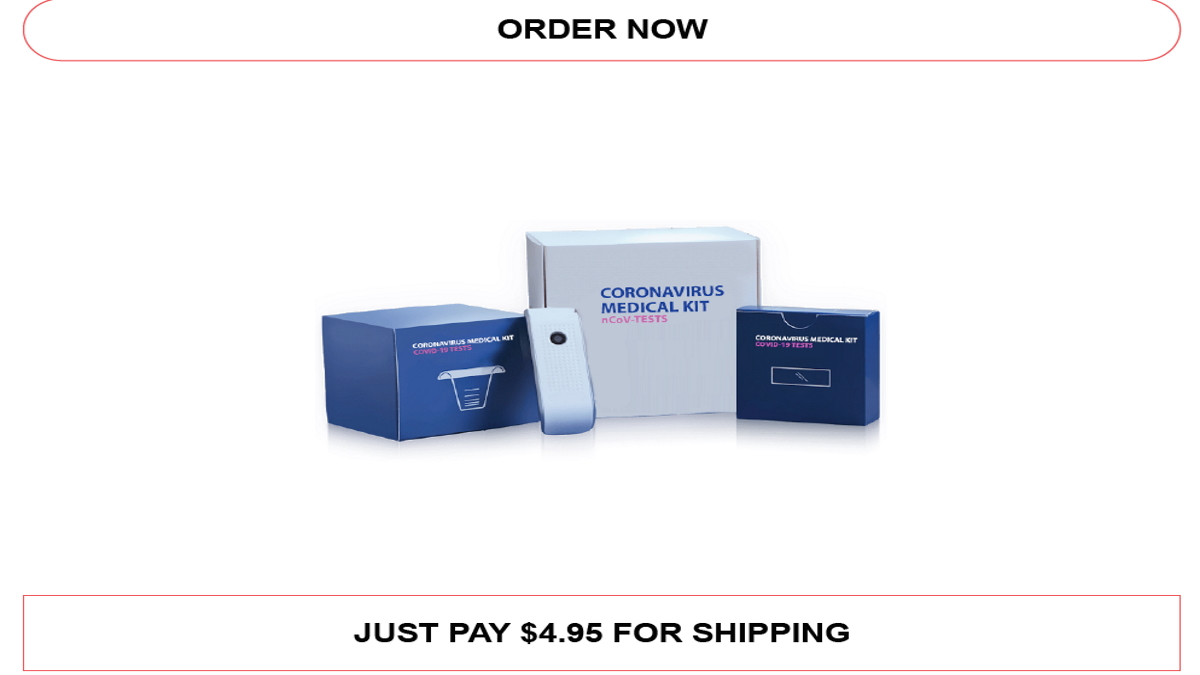
As detailed in the civil complaint and accompanying court papers filed on Saturday, March 21, 2020, the operators of the website “coronavirusmedicalkit.com” are engaging in a wire fraud scheme seeking to profit from the confusion and widespread fear surrounding COVID-19.  

Information published on the website claimed to offer consumers access to World Health Organization (WHO) vaccine kits in exchange for a shipping charge of $4.95, which consumers would pay by entering their credit card information on the website.  

In fact, there are currently no legitimate COVID-19 vaccines and the WHO is not distributing any such vaccine.  In response to the department’s request, U.S. District Judge Robert Pitman issued a temporary restraining order requiring that the registrar of the fraudulent website immediately take action to block public access to it.

“The Department of Justice will not tolerate criminal exploitation of this national emergency for personal gain,” said Assistant Attorney General Jody Hunt of the Department of Justice’s Civil Division.  “We will use every resource at the government’s disposal to act quickly to shut down these most despicable of scammers, whether they are defrauding consumers, committing identity theft, or delivering malware.”

“Attorney General Barr has directed the department to prioritize fraud schemes arising out of the coronavirus emergency,” said U.S. Attorney John F. Bash of the Western District of Texas.  “We therefore moved very quickly to shut down this scam.  We hope in the future that responsible web domain registrars will quickly and effectively shut down websites designed to facilitate these scams.  My office will continue to be aggressive in targeting these sorts of despicable frauds for the duration of this emergency.”

“At a time when we face such unprecedented challenges with the COVID-19 crisis, Americans are understandably desperate to find solutions to keep their families safe and healthy,” said Special Agent in Charge Christopher Combs of the FBI’s San Antonio Field Office.  “Fraudsters who seek to profit from their fear and uncertainty, by selling bogus vaccines or cures, not only steal limited resources from our communities, they pose an even greater danger by spreading misinformation and creating confusion.  During this difficult time, protecting our communities from these reprehensible fraud schemes will remain one of the FBI’s highest priorities.”

The United States filed today’s announced action to shutter the website immediately while an investigation of the website and its operators continues.  In so doing, the government is employing a federal statute that permits federal courts to issue injunctions to prevent harm to potential victims of fraudulent schemes.

The Department of Justice recommends that Americans to take the following precautionary measures to protect themselves from known and emerging scams related to COVID-19:

  • Independently verify the identity of any company, charity, or individual that contacts you regarding COVID-19.
  • Check the websites and email addresses offering information, products, or services related to COVID-19. Be aware that scammers often employ addresses that differ only slightly from those belonging to the entities they are impersonating.  For example, they might use “cdc.com” or “cdc.org” instead of “cdc.gov.”
  • Be wary of unsolicited emails offering information, supplies, or treatment for COVID-19 or requesting your personal information for medical purposes. Legitimate health authorities will not contact the general public this way.
  • Do not click on links or open email attachments from unknown or unverified sources. Doing so could download a virus onto your computer or device.
  • Make sure the anti-malware and anti-virus software on your computer is operating and up to date.
  • Ignore offers for a COVID-19 vaccine, cure, or treatment. Remember, if a vaccine becomes available, you won’t hear about it for the first time through an email, online ad, or unsolicited sales pitch.
  • Check online reviews of any company offering COVID-19 products or supplies. Avoid companies whose customers have complained about not receiving items.
  • Research any charities or crowdfunding sites soliciting donations in connection with COVID-19 before giving any donation. Remember, an organization may not be legitimate even if it uses words like “CDC” or “government” in its name or has reputable looking seals or logos on its materials.  For online resources on donating wisely, visit the Federal Trade Commission (FTC) website.
  • Be wary of any business, charity, or individual requesting payments or donations in cash, by wire transfer, gift card, or through the mail. Don’t send money through any of these channels.
  • Be cautious of “investment opportunities” tied to COVID-19, especially those based on claims that a small company’s products or services can help stop the virus. If you decide to invest, carefully research the investment beforehand.  For information on how to avoid investment fraud, visit the U.S. Securities and Exchange Commission (SEC) website.

For the most up-to-date information on COVID-19, consumers may visit the Centers for Disease Control and Prevention (CDC) and WHO websites. 

In addition, the public is urged to report suspected fraud schemes related to COVID-19 by calling the National Center for Disaster Fraud (NCDF) hotline (1-866-720-5721) or by e-mailing the NCDF at disaster@leo.gov.

The enforcement action taken today is being prosecuted by Assistant United States Attorneys Thomas A. Parnham, Jr. and Michael C. Galdo of the Western District of Texas, and Senior Litigation Counsel Ross S. Goldstein of the Civil Division’s Consumer Protection Branch.  The FBI’s San Antonio Field Office is conducting the investigation.

The claims made in the complaint are allegations that, if the case were to proceed to trial, the government must prove to receive a permanent injunction against the defendant.

For information about the Department of Justice’s efforts to stop COVID-19 fraud, visit www.justice.gov/coronavirus.  Additional information about the Consumer Protection Branch and its enforcement efforts may be found at www.justice.gov/civil/consumer-protection-branch.  For more information about the U.S. Attorney’s Office for the Western District of Texas, visit its website at www.justice.gov/usao-wdtx.

Justice.gov (March 2020) Justice Department Files Its First Enforcement Action Against COVID-19 Fraud