INTERPOL warns of financial fraud linked to COVID-19

INTERPOL is encouraging the public to exercise caution when buying medical supplies online during the current health crisis, with criminals capitalizing on the situation to run a range of financial scams.


Criminals taking advantage of coronavirus anxiety to defraud victims online

INTERPOL is encouraging the public to exercise caution when buying medical supplies online during the current health crisis, with criminals capitalizing on the situation to run a range of financial scams.

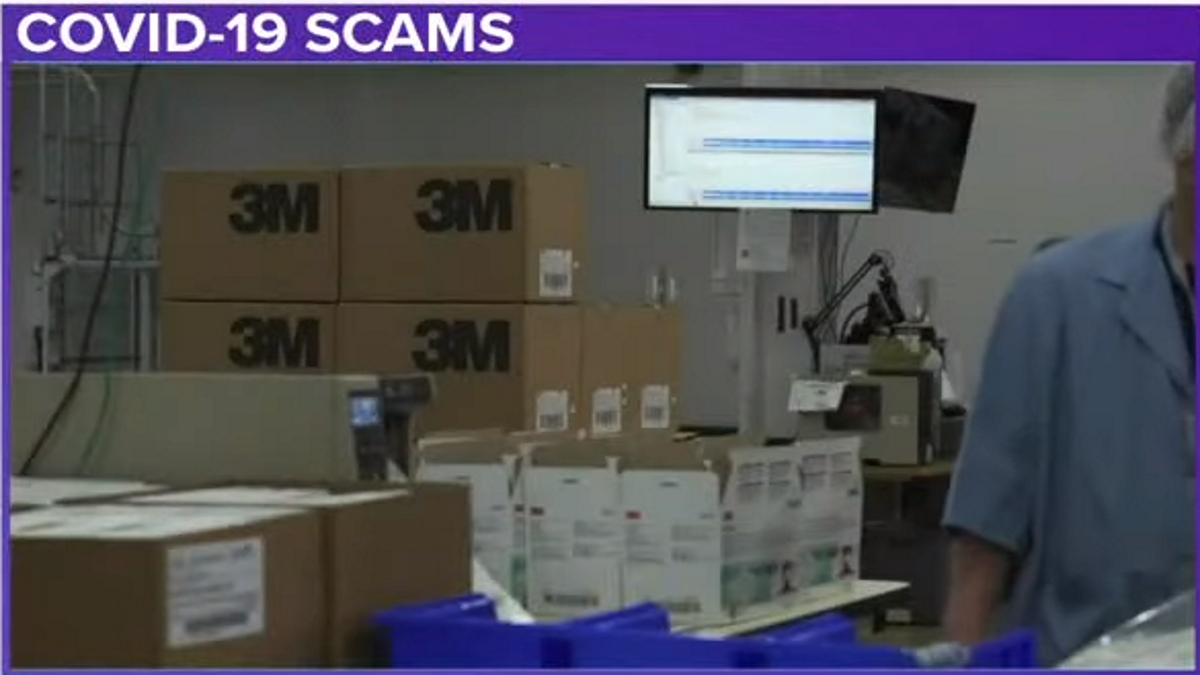
With surgical masks and other medical supplies in high demand yet difficult to find in retail stores as a result of the COVID-19 pandemic, fake shops, websites, social media accounts and email addresses claiming to sell these items have sprung up online.

But instead of receiving the promised masks and supplies, unsuspecting victims have seen their money disappear into the hands of the criminals involved.

This is one of several types of financial fraud schemes connected to the ongoing global health crisis which have been reported to INTERPOL by authorities in its member countries.

COVID-19 fraud schemes

Scams linked to the virus include:

  • Telephone fraud – criminals call victims pretending to be clinic or hospital officials, who claim that a relative of the victim has fallen sick with the virus and request payments for medical treatment;
  • Phishing – emails claiming to be from national or global health authorities, with the aim of tricking victims to provide personal credentials or payment details, or to open an attachment containing malware.

In many cases, the fraudsters impersonate legitimate companies, using similar names, websites and email addresses in their attempt to trick unsuspecting members of the public, even reaching out proactively via emails and messages on social media platforms.

“Criminals are exploiting the fear and uncertainty created by COVID-19 to prey on innocent citizens who are only looking to protect their health and that of their loved ones,” said INTERPOL Secretary General Jürgen Stock.

“Anyone who is thinking of buying medical supplies online should take a moment and verify that you are in fact dealing with a legitimate, reputable company, otherwise your money could be lost to unscrupulous criminals,” concluded the INTERPOL Chief.

Blocking and recovering fraudulent payments

Monetary loses reported to INTERPOL have been as high as hundreds of thousands of dollars in a single case, and these crimes are crossing international borders.

INTERPOL’s Financial Crimes Unit is receiving information from member countries on a near-daily basis regarding fraud cases and requests to assist with stopping fraudulent payments. Targeted victims have primarily been located in Asia, but the criminals have used bank accounts located in other regions such as Europe, to appear as legitimate accounts linked to the company which is being impersonated.

In one case, a victim in Asia made payments to several bank accounts unknowingly controlled by criminals in multiple European countries. With INTERPOL’s assistance, national authorities were able to block some of the payments, but others were quickly transferred by the criminals to second and even third bank accounts before they could be traced and blocked.

To date, INTERPOL has assisted with some 30 COVID-19 related fraud scam cases with links to Asia and Europe, leading to the blocking of 18 bank accounts and freezing of more than USD 730,000 in suspected fraudulent transactions.

INTERPOL has also issued a Purple Notice alerting police in all its 194 member countries to this new type of fraud.

Warning signs

If you are looking to buy medical supplies online, or receive emails or links offering medical support, be alert to the signs of a potential scam to protect yourself and your money.

  • Independently verify the company/individual offering the items before making any purchases;
  • Be aware of bogus websites – criminals will often use a web address which looks almost identical to the legitimate one, e.g. ‘abc.org’ instead of ‘abc.com’;
  • Check online reviews of a company before making a purchase – for example, have there been complaints of other customers not receiving the promised items?;
  • Be wary if asked to make a payment to a bank account located in a different country than where the company is located;
  • If you believe you have been the victim of fraud, alert your bank immediately so the payment can be stopped.
  • Do not click on links or open attachments which you were not expecting to receive, or come from an unknown sender;
  • Be wary of unsolicited emails offering medical equipment or requesting your personal information for medical checks – legitimate health authorities do not normally contact the general public in this manner.

Interpol.int (March, 2020) INTERPOL warns of financial fraud linked to COVID-19
Dark Web Child Abuse Administrator Arrested in the Netherlands

The site had more than 2,000 videos and images and advertised that it offered “real blackmail, rape and forced videos of girls all around the world.”


Website taken down by the Dutch Police and US Authorities.

The site had more than 2,000 videos and images and advertised that it offered “real blackmail, rape and forced videos of girls all around the world.”

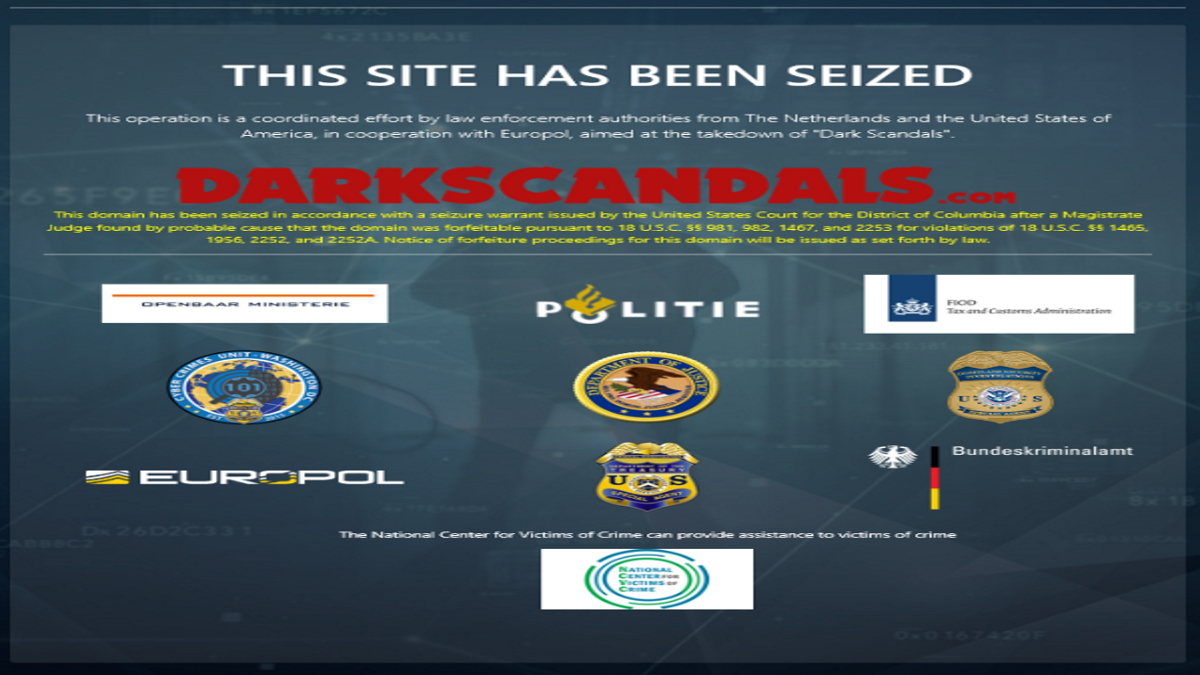
In an international case, the Dutch Police (Politie), the Dutch Fiscal Intelligence and Investigation Service (FIOD), Dutch National Prosecutor’s office (Openbaar Ministerie), US authorities (Internal Revenue Service-Criminal Investigations, Homeland Security Investigations, Department of Justice), the German Federal Criminal Police (Bundeskriminalamt) and Europol cooperated in an operation that led to the arrest of the administrator, and the take-down of the website DarkScandals.

This site, available on both the dark web and clear web, featured violent rape videos and child abuse material. 

Europol’s European Cybercrime Centre (EC3) supported the investigation with analysis, information exchange and by providing technical expertise. Europol set up the European Cybercrime Centre (EC3) in 2013 to strengthen the law enforcement response to cybercrime in the EU and thus to help protect European citizens, businesses and governments from online crime.

Since its establishment, EC3 has made a significant contribution to the fight against cyber-crime.

On 9 March, the Dutch Police arrested the administrator of the website in his home in Barendrecht, the Netherlands for the possession and distribution of child abuse material.

The Dutch National Prosecutor’s Office of the Public Prosecution Service in the Netherlands (OM) and the Child Pornography and Child Sex Tourism team of the Police of The Hague had received intelligence from Europol and investigating authorities in the United States of America, to investigate and prosecute the individual and to take the DarkScandals website offline.

DarkScandals hosted and distributed videos and images featuring non-consensual and violent sexual abuse. DarkScandals began operating about 2012 and boasted over 2,000 videos and images and advertised that it offered “real blackmail, rape and forced videos of girls all around the world.”  

DarkScandals offered users two ways to access this illicit and obscene content, which was delivered in “packs” via email for customers to download.  

Users could either pay for the video packs using cryptocurrency, or upload new videos to add to the content of the DarkScandals sites.  Specific rules for the video uploads to the sites included “real rape/forced” content, and stated a preference for “own made material.”  

The site specifically forbade “fake, amateur…or acted movies,” rejecting content if it did not portray real sexual violence.  The arrested administrator allegedly received almost 2 million dollars from selling this obscene and illicit content.

In addition to the arrest in the Netherlands, the administrator of DarkScandals was also indicted by a federal grand jury in the District of Columbia, USA for his operation of DarkScandals.

The Dutch national was charged with various counts of Distribution of Child Pornography, Production and Transportation of Obscene Matters for Sale or Distribution, Engaging in the Business of Selling or Transferring Obscene Matter, and Laundering of Monetary Instruments. 

Help a veteran in need by donating here.

Europol.europa.eu (March, 2020) DARK WEB CHILD ABUSE: ADMINISTRATOR OF DARKSCANDALS ARRESTED IN THE NETHERLANDS

Near-Peer Threats at Highest Point Since Cold War, DOD Official Says

Matthew P. Donovan, who is performing the duties of the undersecretary of defense for personnel and readiness, said the character of warfare has evolved at the same time, with grave threats now appearing in previously unknown or uncontested domains, such as cyber and space.


The United States faces an array of threats from near-peer competitors China and Russia that have not been seen since before the fall of the Berlin Wall, a DOD official said today.

Matthew P. Donovan, who is performing the duties of the undersecretary of defense for personnel and readiness, said the character of warfare has evolved at the same time, with grave threats now appearing in previously unknown or uncontested domains, such as cyber and space.

He testified before the Senate Armed Services Committee, which is considering his nomination for undersecretary of defense for personnel and readiness.

Donovan said the Defense Department must also evolve to successfully meet these threats. “We must attract and retain people with the right skills to prevail in this environment, properly manage them and meet their expectations using 21st century talent management practices, and ensure all are always treated with dignity and respect.”

The department must also provide its warriors with the cutting-edge tools of the trade that they need to be successful, state-of-the-art training technologies, and techniques to best hone their skills, he added.

Soldiers, Sailors, Airmen, Marines and DOD civilians deserve the best leadership, the best policies, the best equipment, the best education and training, and our service members and their families deserve the best health care, best support systems, and best quality of life we can possibly provide, for the sacrifices we ask them to endure, Donovan added.

One senator mentioned that a study showed only 29% of American youth are eligible to serve.

Donovan replied that he’s seen those studies. “I think it’s a problem that extends well beyond the Department of Defense. It’s a national issue.”

Part of the problem, he said, is the lack of sports and physical fitness activities among the nation’s youth.

“Kids are not getting the physical activity that they need to help prepare them for the rigors of military duty,” he said.

Shop Amazon Gift Cards. Any Occasion. No Expiration.

That said, Donovan noted that DOD isn’t yet having a problem filling its ranks with qualified and quality service members.

“But as we look toward the future, toward the imperatives of the National Defense Strategy, then we’re seeing that we’re going to need to attract those skills that are in so much demand on the outside as well,” he said, adding that a good example is cyber.

One step the department is taking is partnering with universities and industry to see if there’s some way to share the load on this, he said.

Also testifying today were: William Jordan Gillis, nominated for assistant secretary of defense for sustainment, and Victorino G. Mercado, nominated for assistant secretary of defense for strategy, plans and capabilities.

Help a veteran in need by donating here.

Defense.gov (March, 2020) Near-Peer Threats at Highest Point Since Cold War, DOD Official Says

Guarding Against COVID-19 Cyber Scams

The Cybersecurity and Infrastructure Security Agency (CISA) have released a warning to citizens to remain vigilant for scams related to Coronavirus Disease 2019 (COVID-19).


The Cybersecurity and Infrastructure Security Agency (CISA) have released a warning to citizens to remain vigilant for scams related to Coronavirus Disease 2019 (COVID-19).

Cyber actors may send emails with malicious attachments or links to fraudulent websites to trick victims into revealing sensitive information or donating to fraudulent charities or causes.

Exercise caution in handling any email with a COVID-19-related subject line, attachment, or hyperlink, and be wary of social media pleas, texts, or calls related to COVID-19.

Soffe Men’s 3 Pack-USA Poly Cotton Military Tee

CISA encourages individuals to remain vigilant and take the following precautions:

Help a veteran in need by donating here.

US-Cert.gov (March, 2020) Defending Against COVID-19 Cyber Scams

FDA Informs Patients, Providers and Manufacturers About Potential Cybersecurity Vulnerabilities in Certain Medical Devices with Bluetooth Low Energy

On Wednesday, the U.S. Food and Drug Administration is informing patients, health care providers and manufacturers about a set of cybersecurity vulnerabilities, referred to as “SweynTooth,” that – if exploited – may introduce risks for certain medical devices.


On Wednesday, the U.S. Food and Drug Administration is informing patients, health care providers and manufacturers about a set of cybersecurity vulnerabilities, referred to as “SweynTooth,” that – if exploited – may introduce risks for certain medical devices.

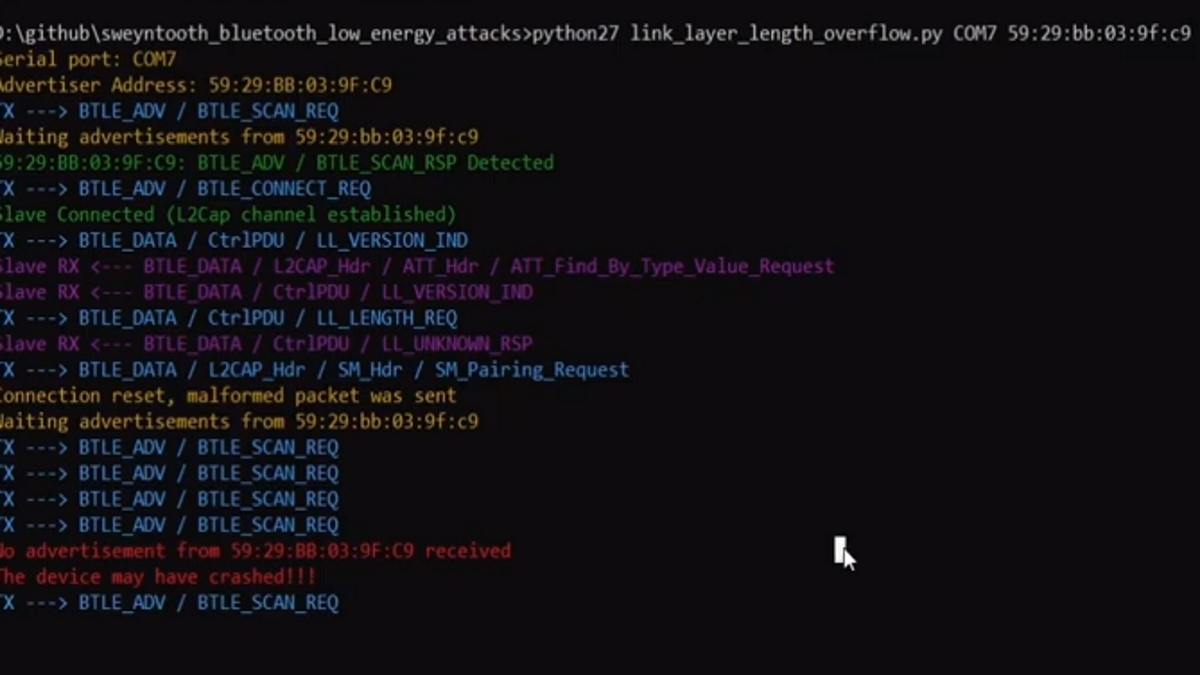
SweynTooth affects the wireless communication technology known as Bluetooth Low Energy (BLE). BLE allows two devices to “pair” and exchange information to perform their intended functions while preserving battery life and can be found in medical devices as well as other devices, such as consumer wearables and Internet of Things (IoT) devices.

These cybersecurity vulnerabilities may allow an unauthorized user to wirelessly crash the device, stop it from working, or access device functions normally only available to the authorized user.

To date, the FDA is not aware of any confirmed adverse events related to these vulnerabilities. However, software to exploit these vulnerabilities in certain situations is publicly available. Today, the FDA is providing additional information regarding the source of these vulnerabilities and recommendations for reducing or avoiding risks the vulnerabilities may pose to a variety of medical devices, such as pacemakers, glucose monitors, and ultrasound devices.

Soffe Men’s 3 Pack-USA Poly Cotton Military Tee

“Medical devices are becoming increasingly connected, and connected devices have inherent risks, which make them vulnerable to security breaches. These breaches potentially impact the safety and effectiveness of the device and, if not remedied, may lead to patient harm,” said Suzanne Schwartz, M.D., MBA, deputy director of the Office of Strategic Partnerships and Technology Innovation in the FDA’s Center for Devices and Radiological Health. “The FDA recommends that medical device manufacturers stay alert for cybersecurity vulnerabilities and proactively address them by participating in coordinated disclosure of vulnerabilities as well as providing mitigation strategies. An essential part of the FDA’s strategy is working with manufacturers, health care delivery organizations, security researchers, other government agencies and patients to address cybersecurity concerns that affect medical devices in order to keep patients safe.”

The FDA is currently aware of several microchip manufacturers that are affected by these vulnerabilities: Texas Instruments, NXP, Cypress, Dialog Semiconductors, Microchip, STMicroelectronics and Telink Semiconductor. Their microchips may be in a variety of medical devices, such as those that are implanted in or worn by a patient (such as pacemakers, stimulators, blood glucose monitors and insulin pumps) or larger devices that are in health care facilities (such as electrocardiograms, monitors and diagnostic devices like ultrasound devices).

Medical device manufacturers are already assessing which devices may be affected by SweynTooth and are identifying risk and remediation actions. In addition, several microchip manufacturers have already released patches. For more information about SweynTooth cybersecurity vulnerabilities – including a list of affected devices, see ICS-ALERT-20-063-01 SweynTooth Vulnerabilities, Department of Homeland Security Cybersecurity Infrastructure Security Advisory.

The agency is asking medical device manufacturers to communicate to health care providers and patients which medical devices could be affected by SweynTooth and ways to reduce associated risk. Patients should talk to their health care providers to determine if their medical device could be affected and to seek help right away if they think their medical device is not working as expected.

The FDA takes reports of vulnerabilities in medical devices very seriously and today’s safety communication includes recommendations to manufacturers for continued monitoring, reporting and remediation of medical device cybersecurity vulnerabilities.

The FDA is recommending that manufacturers conduct a risk assessment, as described in the FDA’s cybersecurity postmarket guidance, to evaluate the impact of these vulnerabilities on medical devices they manufacture and develop risk mitigation plans.

Medical device manufacturers should work with the microchip manufacturers to identify available patches and other recommended mitigation methods, work with health care providers to determine any medical devices that could potentially be affected, and discuss ways to reduce associated risks.

The FDA will continue to assess new information concerning the SweynTooth vulnerabilities and will keep the public informed if significant new information becomes available.

Furthermore, the FDA will continue its ongoing work with manufacturers and health care delivery organizations—as well as security researchers and other government agencies—to help develop and implement solutions to address cybersecurity issues throughout a device’s total product lifecycle.

FDA.gov (March, 2020) FDA Informs Patients, Providers and Manufacturers About Potential Cybersecurity Vulnerabilities in Certain Medical Devices with Bluetooth Low Energy

Help a veteran in need by donating here.