Defense Department Linguist Charged with Espionage

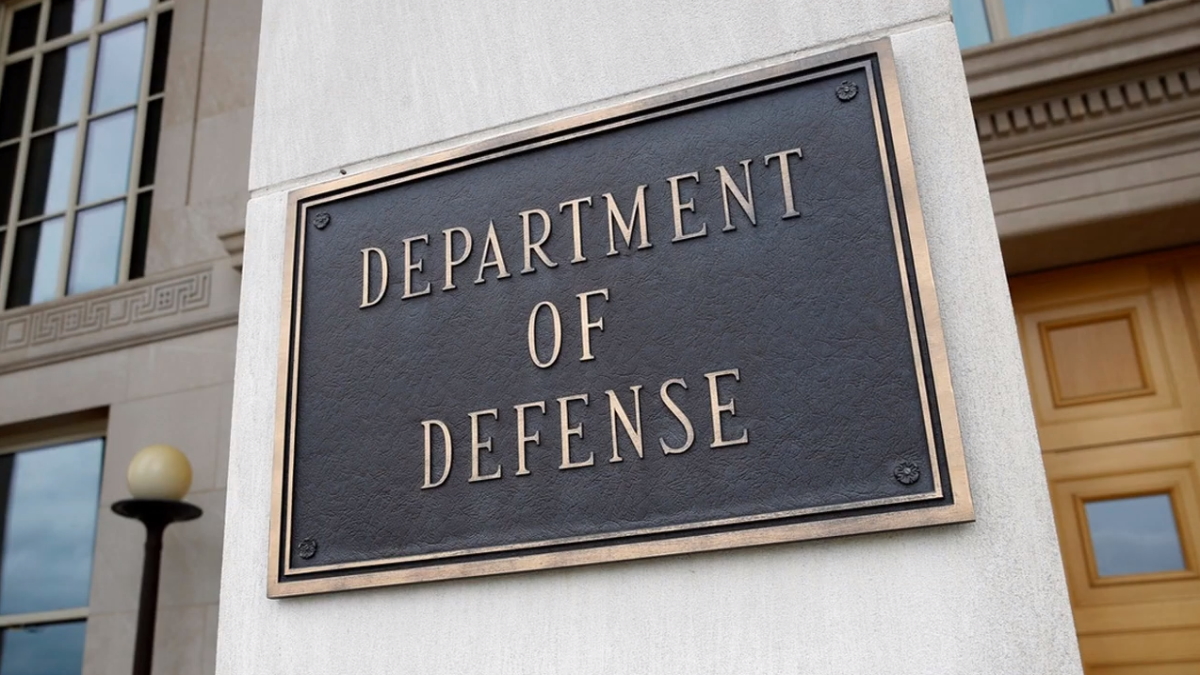
Mariam Taha Thompson, 61, formerly of Rochester, Minnesota, was charged today in the District of Columbia with transmitting highly sensitive classified national defense information to a foreign national with apparent connections to Hizballah, a foreign terrorist organization that has been so designated by the Secretary of State.


Mariam Taha Thompson, 61, formerly of Rochester, Minnesota, was charged on Wednesday in the District of Columbia with transmitting highly sensitive classified national defense information to a foreign national with apparent connections to Hizballah, a foreign terrorist organization that has been so designated by the Secretary of State.

According to the affidavit filed in support of a criminal complaint, the information Thompson gathered and transmitted included classified national defense information regarding active human assets, including their true names.  By compromising the identities of these human assets, Thompson placed the lives of the human assets and U.S. military personnel in grave danger.

The announcement was made by John C. Demers, the Assistant Attorney General for National Security; Timothy J. Shea, the United States Attorney for the District of Columbia; Robert Wells, Acting Assistant Director of the FBI’s Counterintelligence Division; and Timothy R. Slater, the Assistant Director in Charge of the Washington Field Office.

“While in a war zone, the defendant allegedly gave sensitive national defense information, including the names of individuals helping the United States, to a Lebanese national located overseas,” said Assistant Attorney General for National Security John C. Demers. “If true, this conduct is a disgrace, especially for someone serving as a contractor with the United States military. This betrayal of country and colleagues will be punished.”

“The conduct alleged in this complaint is a grave threat to national security, placed lives at risk, and represents a betrayal of our armed forces.  The charges we’ve filed today should serve as a warning to anyone who would consider disclosing classified national defense information to a terrorist organization,” said U.S. Attorney Timothy J. Shea for the District of Columbia.

“This case shows the value of cooperation across the U.S. Government. Working closely with the Department of Defense, the FBI was able to investigate this willful disregard for keeping national defense information safe and partnered to bring the defendant to the United States to face justice,” said Acting Assistant Director of the FBI’s Counterintelligence Division Robert Wells.

“Today’s announcement is a testament to the U.S. government’s commitment to protecting the U.S. from the unauthorized disclosure of classified information that can put our country at serious risk of damage – damage to people and damage to our country’s capabilities,”  said Timothy R. Slater, Assistant Director in Charge of the FBI’s Washington Field Office.  “Human assets are the core of the U.S. government’s intelligence, and they have our assurance that we will go above and beyond to protect them.  I want to thank the men and women at the FBI and our partners here and abroad who answered the call to assist on this fast-moving investigation.  The FBI is charged with protecting our nation’s security and information for a safe and secure tomorrow for all Americans – we take this duty seriously and will not stand by while supposedly trusted individuals violate that trust in such an egregious way.”

Help a veteran in need by donating here.

Thompson was arrested by FBI Special Agents on February 27, 2020, at an overseas U.S. military facility, where she worked as a contract linguist and held a Top Secret government security clearance.   

The investigation leading to this arrest revealed that starting on or about December 30, 2019, a day after U.S. airstrikes against Iranian-backed forces in Iraq, and the same day protesters stormed the U.S. embassy in Iraq to protest those strikes, audit logs show a notable shift in Thompson’s network activity on United States Department of Defense classified systems, including repeated access to classified information she had no need to access. 

Specifically, during a six-week period between December 30, 2019, and February 10, 2020, Thompson accessed dozens of files concerning human intelligence sources, including true names, personal identification data, background information, and photographs of the human assets, as well as operational cables detailing information the assets provided to the United States government.

A court-authorized search of Thompson’s living quarters on February 19, 2020, led to the discovery of a handwritten note in Arabic concealed under Thompson’s mattress.  The note contained classified information from Department of Defense computer systems, identifying human assets by name, and warning a Department of Defense target who is affiliated with a designated foreign terrorist organization with ties to Hizballah.  The note also instructed that the human assets’ phones should be monitored.

Thompson transmitted the classified information in the handwritten note to a co-conspirator, in whom she had a romantic interest. The FBI’s investigation revealed that Thompson knew the co-conspirator was a foreign national whose relative worked for the Lebanese government. The investigation also revealed that the co-conspirator has apparent connections to Hizballah.

Further investigation revealed that, in a separate communication, Thompson also provided information to her co-conspirator identifying another human asset and the information the asset had provided to the United States, as well as providing information regarding the techniques the human assets were using to gather information on behalf of the United States.

In today’s Criminal Complaint, Thompson was charged with Delivering Defense Information to Aid a Foreign Government in violation of 18 U.S.C. § 794(a) and conspiring to do so in violation of 18 U.S.C. § 794(c).

Thompson made her initial appearance before United States Magistrate Judge Robin M. Meriweather on Wednesday afternoon. A Criminal Complaint is a formal accusation of criminal conduct for purposes of establishing probable cause, not evidence of guilt. The defendant is presumed innocent unless proven guilty.

If convicted, Thompson faces a maximum sentence of life in prison for violating § 794. The maximum statutory sentence is prescribed by Congress and is provided here for informational purposes only. If convicted of any offense, the sentencing of a defendant will be determined by the court based on the advisory Sentencing Guidelines and other statutory factors.

Trial Attorneys Jennifer Kennedy Gellie of the National Security Division’s Counterintelligence and Export Control Section, Jennifer Levy of the Counterterrorism Section, and Assistant United States Attorney for the District of Columbia John Cummings are prosecuting the case.

Justice.gov (March, 2020) Defense Department Linguist Charged with Espionage

Pro-ISIS Media Outlet Publishes Magazine To Incite Violence In India

On February 24, 2020, pro-ISIS media outlet Al-Qitaal Media Center published a new online magazine titled “Voice of Hind” featuring Mahmood Paracha, a lawyer accused of inciting hatred and violence in India.


Terror Group Seeks To Further Inflame Tensions Between Muslim & Hindu Populations

On February 24, 2020, pro-ISIS media outlet Al-Qitaal Media Center published a new online magazine titled “Voice of Hind” featuring Mahmood Paracha, a lawyer accused of inciting hatred and violence in India.

The magazine also states that there is no place for nationalism in Islam, and that India’s Muslims should join the caliphate instead. The publication represents ISIS’s latest effort to gain a foothold in India.

Voice of Hind emerged in the midst of large scale sectarian violence fueled by the controversial Citizenship Amendment Act (CAA), which critics believe discriminates against India’s Muslims. The CAA and the National Register of Citizens (NRC) now include religion as a criterion for nationality, representing a move away from India’s founding principle of secularism.

The new legislation provides a path for citizenship for practicing Hindus and five other South Asian religions—Buddhism, Christianity, Sikhism, Jainism, and Zoroastrianism—but does not include Islam.

Help a veteran in need by donating here.

Since Prime Minister Narendra Modi’s reelection in May, his administration has largely endorsed a Hindu identity for the country and has demonstrated hostility towards secularism and Islam. The magazine, which seeks to exploit tensions, calls for Indian Muslims to join ISIS and praises individuals who have already done so or have committed attacks in the group’s name.

Though India banned ISIS in 2014, the Modi government has expressed concern about the group’s ability to attract members through online propaganda. The terrorist group has not made major headway in the country.

However, Indian security agencies have arrested more than 127 individuals with suspected links to ISIS.

Counterextremism.com (March, 2020) Pro-ISIS Media Outlet Publishes Magazine To Incite Violence In India

Franklin County Sexual Assault Fugitive Returned to U.S. From Canada

A fugitive sex offender who fled to Canada to avoid facing sexual assault charges in Franklin County has been removed to the U.S. and is awaiting extradition to Pennsylvania.


A fugitive sex offender who fled to Canada to avoid facing sexual assault charges in Franklin County has been removed to the U.S. and is awaiting extradition to Pennsylvania.

Juan Carlos Alcantara-Rivas, 36, formerly of Chambersburg, was charged Aug. 19, 2016, with two counts of aggravated sexual assault upon a minor victim by the Chambersburg Police Department. He was released with bail conditions that included electronic monitoring.

On June 19, 2018, Alcantara was convicted of the offenses but remained on bail while awaiting sentencing. He cut off his electronic monitor and fled the same day. On June 22, 2018, the Franklin County Court of Common Pleas issued a bench warrant for Alcantara’s arrest. Attempts to find him in the Chambersburg area were unsuccessful, and the Chambersburg Police Department requested the assistance of the U.S. Marshals Service Fugitive Task force.

Help a veteran in need by donating here.

Deputy U.S. Marshals pursued leads in Pennsylvania, Maryland, Massachusetts, and the Dominican Republic until learning that Alcantara had fled to Montreal, Canada. On January 23, 2020, Canadian police officers arrested Alcantara at the request of American authorities. And on March 3 Alcantara was removed to the U.S. He was arraigned as a fugitive from justice and detained in Clinton County, New York, pending extradition to Pennsylvania.

“It’s important to bring those who are charged with serious sexual offenses to justice,” said Martin J. Pane, U.S. Marshal for the Middle District of Pennsylvania. “We owe this to the victims of such crimes. It is my sincere hope that this arrest brings some measure of comfort to the victim and their family. ”

The USMS routinely provides assistance, expertise and training regarding international fugitive matters to federal, state, and local police agencies.

In 2019, the USMS closed 1,500 cases involving fugitives wanted by the United States who fled to a foreign country to avoid prosecution or incarceration.

TBI.com (March, 2020) Franklin County Sexual Assault Fugitive Returned to U.S. From Canada

AMBER Alert Update 3/6/2020: Evelyn Mae Boswell

During the search, investigators discovered human remains believed to be those of the missing 15-month-old girl. The remains will be sent for an autopsy and a positive identification.


*Updated on 3/6/20 at 10:10 (ET) to reflect the following new developments in the investigation.

This evening, as part of the ongoing investigation into the disappearance of Evelyn Mae Boswell, and acting on new information developed in the case, TBI Agents and Detectives with the Sullivan County Sheriff’s Office searched a property belonging to a family member of Evelyn’s mother, Megan Boswell, in the 500 block of Muddy Creek Road in Blountville. During the search, investigators discovered human remains believed to be those of the missing 15-month-old girl. The remains will be sent for an autopsy and a positive identification.

The TBI, Sullivan County Sheriff’s Office, and the FBI would like to thank the public for their support during the two-week AMBER Alert search for Evelyn Boswell.

The investigation remains active and ongoing at this time.

*Updated on 3/4/20 at 1:40 p.m. (ET) to reflect the latest number of tips received as part of the investigation. 

*Updated on 3/2/20 at 10:15 a.m. (ET) to reflect the latest number of tips and additional frequently asked questions.  

*Updated on 3/1/20 at 8:20 p.m. (ET) to reflect the latest number of tips received as part of the investigation.

*Updated on 2/28/20 at 4:25 p.m. (ET) to reflect the latest number of tips received as part of the investigation. 

*Updated on 2/25/20 at 9:30 p.m. (ET) to include information about the arrest of Megan Boswell.

*Updated on 2/25/20 at 4:10 p.m. (ET) to reflect the latest number of tips received as part of the investigation. 

*Updated on 2/24/20 at 2:55 p.m. (ET) to include a list of frequently ask questions associated with the search.

The Tennessee Bureau of Investigation continues to work alongside the Sullivan County Sheriff’s Office and the Federal Bureau of Investigation to locate and recover 15-month-old Evelyn Mae Boswell, who became the subject of a statewide AMBER Alert issued by the TBI on Wednesday, February 19th.

TBI.com (March, 2020) AMBER Alert: Evelyn Mae Boswell

Help a veteran in need by donating here.

FDA Informs Patients, Providers and Manufacturers About Potential Cybersecurity Vulnerabilities in Certain Medical Devices with Bluetooth Low Energy

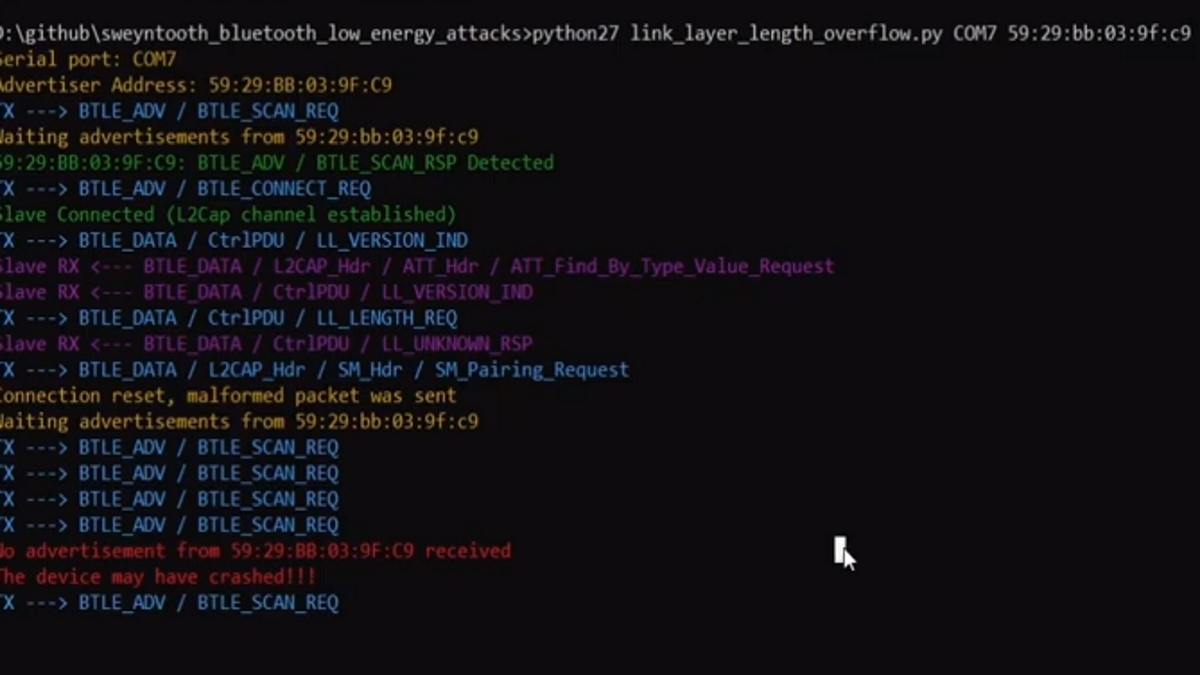
On Wednesday, the U.S. Food and Drug Administration is informing patients, health care providers and manufacturers about a set of cybersecurity vulnerabilities, referred to as “SweynTooth,” that – if exploited – may introduce risks for certain medical devices.


On Wednesday, the U.S. Food and Drug Administration is informing patients, health care providers and manufacturers about a set of cybersecurity vulnerabilities, referred to as “SweynTooth,” that – if exploited – may introduce risks for certain medical devices.

SweynTooth affects the wireless communication technology known as Bluetooth Low Energy (BLE). BLE allows two devices to “pair” and exchange information to perform their intended functions while preserving battery life and can be found in medical devices as well as other devices, such as consumer wearables and Internet of Things (IoT) devices.

These cybersecurity vulnerabilities may allow an unauthorized user to wirelessly crash the device, stop it from working, or access device functions normally only available to the authorized user.

To date, the FDA is not aware of any confirmed adverse events related to these vulnerabilities. However, software to exploit these vulnerabilities in certain situations is publicly available. Today, the FDA is providing additional information regarding the source of these vulnerabilities and recommendations for reducing or avoiding risks the vulnerabilities may pose to a variety of medical devices, such as pacemakers, glucose monitors, and ultrasound devices.

Soffe Men’s 3 Pack-USA Poly Cotton Military Tee

“Medical devices are becoming increasingly connected, and connected devices have inherent risks, which make them vulnerable to security breaches. These breaches potentially impact the safety and effectiveness of the device and, if not remedied, may lead to patient harm,” said Suzanne Schwartz, M.D., MBA, deputy director of the Office of Strategic Partnerships and Technology Innovation in the FDA’s Center for Devices and Radiological Health. “The FDA recommends that medical device manufacturers stay alert for cybersecurity vulnerabilities and proactively address them by participating in coordinated disclosure of vulnerabilities as well as providing mitigation strategies. An essential part of the FDA’s strategy is working with manufacturers, health care delivery organizations, security researchers, other government agencies and patients to address cybersecurity concerns that affect medical devices in order to keep patients safe.”

The FDA is currently aware of several microchip manufacturers that are affected by these vulnerabilities: Texas Instruments, NXP, Cypress, Dialog Semiconductors, Microchip, STMicroelectronics and Telink Semiconductor. Their microchips may be in a variety of medical devices, such as those that are implanted in or worn by a patient (such as pacemakers, stimulators, blood glucose monitors and insulin pumps) or larger devices that are in health care facilities (such as electrocardiograms, monitors and diagnostic devices like ultrasound devices).

Medical device manufacturers are already assessing which devices may be affected by SweynTooth and are identifying risk and remediation actions. In addition, several microchip manufacturers have already released patches. For more information about SweynTooth cybersecurity vulnerabilities – including a list of affected devices, see ICS-ALERT-20-063-01 SweynTooth Vulnerabilities, Department of Homeland Security Cybersecurity Infrastructure Security Advisory.

The agency is asking medical device manufacturers to communicate to health care providers and patients which medical devices could be affected by SweynTooth and ways to reduce associated risk. Patients should talk to their health care providers to determine if their medical device could be affected and to seek help right away if they think their medical device is not working as expected.

The FDA takes reports of vulnerabilities in medical devices very seriously and today’s safety communication includes recommendations to manufacturers for continued monitoring, reporting and remediation of medical device cybersecurity vulnerabilities.

The FDA is recommending that manufacturers conduct a risk assessment, as described in the FDA’s cybersecurity postmarket guidance, to evaluate the impact of these vulnerabilities on medical devices they manufacture and develop risk mitigation plans.

Medical device manufacturers should work with the microchip manufacturers to identify available patches and other recommended mitigation methods, work with health care providers to determine any medical devices that could potentially be affected, and discuss ways to reduce associated risks.

The FDA will continue to assess new information concerning the SweynTooth vulnerabilities and will keep the public informed if significant new information becomes available.

Furthermore, the FDA will continue its ongoing work with manufacturers and health care delivery organizations—as well as security researchers and other government agencies—to help develop and implement solutions to address cybersecurity issues throughout a device’s total product lifecycle.

FDA.gov (March, 2020) FDA Informs Patients, Providers and Manufacturers About Potential Cybersecurity Vulnerabilities in Certain Medical Devices with Bluetooth Low Energy

Help a veteran in need by donating here.